
When hysterectomy is needed
Severe symptomatic fibroids, persistent heavy menstrual bleeding unresponsive to medical management, adenomyosis with severe symptoms, endometriosis with severe pelvic pain (after fertility considered), or other specific gynaecological indications.
TLH technique
Complete laparoscopic dissection, ureter identification, vessel sealing, vaginal cuff closure laparoscopically. Bladder and bowel preservation. Ovary preservation in pre-menopausal women unless specifically indicated.
After hysterectomy
Hospital stay typically 1-2 days. Return to office work 2-3 weeks. Avoid heavy lifting and intercourse for 6 weeks. Long-term fitness and quality of life are usually excellent.
Total laparoscopic hysterectomy (TLH)
| Aspect | Detail |
|---|---|
| What it does | Removes the uterus via keyhole |
| Ovaries | Conserved when possible |
| Recovery | 2–4 weeks |
Frequently asked
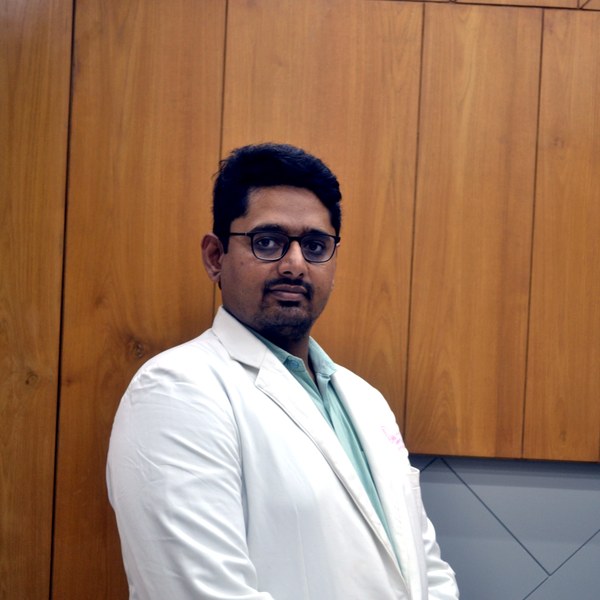
Dr Patel performs advanced minimal-access (laparoscopic and hysteroscopic) surgery at Balaji Horizon with a precision, organ- and fertility-sparing philosophy — operating when it is clearly indicated, and offering conservative options when it is not.
Minimal-access, organ-sparing surgery and evidence-based gynaecology — with a clear, honest plan built around your priorities.
Book a consultationAbout hysterectomy.
Hysterectomy is performed when conservative and fertility-preserving alternatives have been considered and the woman has made an informed choice. Laparoscopic and vaginal approaches are preferred over open hysterectomy where anatomy permits — both for faster recovery and lower morbidity.
A considered decision — alternatives, options & risks
Hysterectomy removes the uterus and ends both periods and the ability to carry a pregnancy. It can be the right, definitive answer for the correct indication — but because it is irreversible, we treat it as a considered decision made only when childbearing is complete and other measures have been fully explored.
Alternatives we explore first
Many conditions that lead to hysterectomy can first be managed in less drastic ways: medical therapy or a hormone-releasing (Mirena) intrauterine system for heavy bleeding, myomectomy for fibroids when the uterus is to be preserved, endometrial ablation, or uterine artery embolisation. We make sure you understand these options before choosing surgery.
Keeping the ovaries
Removing the uterus does not require removing the ovaries. In most women below the menopause we aim to conserve healthy ovaries to maintain natural hormone function, discussing the balance of risks and benefits for your individual situation.
Approach & possible risks
Where hysterectomy is the right choice, a laparoscopic approach offers smaller incisions, less pain and faster recovery than open surgery. Risks include bleeding, infection, and — uncommonly — injury to the bladder, bowel or ureter, all reduced by careful technique and appropriate case selection. We explain the recovery timeline clearly so you can plan.
Dr. Priyadatt Patel
Senior Gynecologist · Advanced Laparoscopic Surgeon · IVF and Endometriosis Programme Lead
MS OBGyn · Pregnancy Care · Advanced Gynaecological Ultrasound · Fertility Preservation
ESHRE / ESGE / AAGL / ASRM guideline-aligned practice. 3D Karl Storz precision technique. Fertility-preservation-first philosophy. Evidence-based decisions, honest counselling, long-term outcomes orientation.
Science City Road, Ahmedabad 380060
Mon–Sat 11:00–20:00 · +91 97234 31544
Naranpura, Ahmedabad
Mon–Sat 08:30–10:30 · +91 70460 02566