
Endometriosis & Fertility — Integrated Planning
Endometriosis affects fertility through multiple mechanisms — anatomical distortion, inflammatory environment, reduced ovarian reserve, altered implantation. The right sequence of surgery, IVF, fertility preservation, and timing depends on YOUR specific endometriosis phenotype, AMH, age, and partner factors.
How Endometriosis Affects Fertility
Mechanical: adhesions distort tubo-ovarian anatomy, impair egg pickup. Ovarian: endometriomas reduce AMH and antral follicle count independently — before any surgery. Inflammatory: peritoneal fluid cytokines impair sperm function and embryo development. Implantation: altered HOXA-10 expression and progesterone resistance reduce embryo implantation rates.
The Sequencing Question
The biggest decision in endometriosis-fertility planning is the order of surgery and IVF. Wrong order can permanently reduce ovarian reserve and delay conception by years. Surgery-first appropriate for: large symptomatic endometrioma blocking retrieval, severe pain affecting baseline, DIE with bowel/bladder compromise, young patients with good reserve. IVF-first appropriate for: low AMH, advanced age, prior ovarian surgery, bilateral small endometriomas, coexisting male/tubal factors.
Fertility Preservation Before Surgery
For women with endometriomas + low/borderline reserve + advanced age + planning conception later: oocyte cryopreservation BEFORE surgery preserves the genetic material when it is still good. Surgery may then proceed with the knowledge that future fertility is secured. Preservation guide →
IVF With Endometriosis
Modified stimulation protocols (antagonist preferred over long agonist in some cases). Pre-IVF surgery for endometrioma >3-4cm or symptomatic. Pre-IVF endometrial preparation may include dienogest or GnRH agonist 3-6 months pre-cycle. Freeze-all strategy increasingly preferred. Slightly lower live birth rate per transfer in advanced disease, but cumulative success across multiple transfers is comparable.
Time as a Variable
In every endometriosis-fertility decision, time matters. Each year of delay reduces ovarian reserve. Each year of disease progression may worsen anatomy. We do not believe in indefinite “watch and wait” — at every consultation, we ask: what is the right action given YOUR timeline?
Fertility options in endometriosis
| Situation | Option | Note |
|---|---|---|
| Mild disease, young | Timed conception / monitoring | Spontaneous conception possible |
| Moderate–severe with pain | Surgery then conception | Reserve-aware planning |
| Low reserve or older | IVF first (± egg freezing) | Protects eggs |
| Tubal damage | IVF | Bypasses the tubes |
Aligned with current international evidence, not habit.
Frequently Asked Questions
Can I get pregnant naturally with endometriosis?
Many women conceive naturally — particularly with mild disease and normal ovarian reserve. Stage of endometriosis is not the only predictor. Age and ovarian reserve matter more.
Will surgery improve my chances of pregnancy?
Sometimes yes — when surgery restores anatomy or treats mechanical infertility. But surgery also carries ovarian reserve risk. Decision depends on severity, location, prior surgeries, and current reserve.
Do I need IVF if I have endometriosis?
Not automatically. Depends on age, ovarian reserve, partner factors, and severity. Many couples conceive without IVF. We assess your individual probability and counsel honestly.
Should I freeze my eggs before endometriosis surgery?
Increasingly recommended in selected cases: bilateral endometriomas, low AMH, advanced age, prior ovarian surgery, planning pregnancy in 2-5 years. Discussed individually based on YOUR context.
Does endometriosis affect IVF success?
Severe disease (DIE, large endometriomas, low AMH) reduces per-cycle success modestly. Cumulative success across multiple cycles is good. Treatment protocols are adjusted for endometriosis patients.
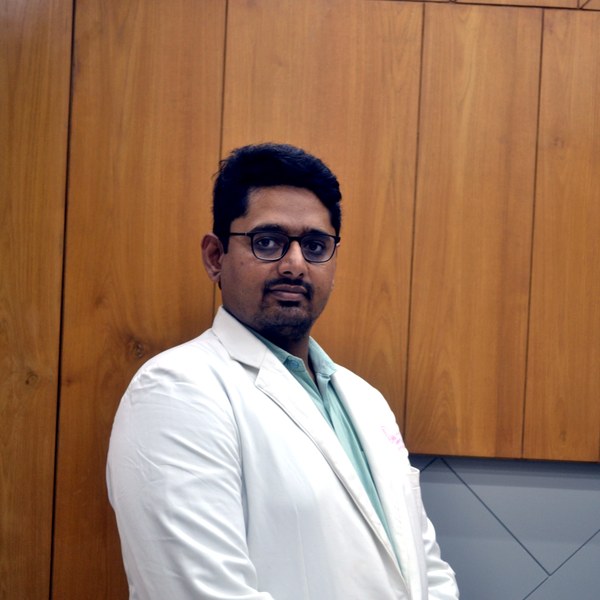
Dr Patel leads endometriosis diagnosis and surgery at Balaji Horizon with an evidence-based, ovarian-sparing philosophy aligned to ESHRE and ESGE — integrating pain, fertility and long-term disease control into a single plan, rather than treating the disease in isolation.
Imaging-led diagnosis, medical-first management, and precise surgery only when it is the right step — planned around your pain and fertility goals.
Dr. Priyadatt Patel
Senior Gynecologist · Advanced Laparoscopic Surgeon · IVF and Endometriosis Programme Lead
MS OBGyn · Pregnancy Care · Advanced Gynaecological Ultrasound · Fertility Preservation
ESHRE / ESGE / AAGL / ASRM guideline-aligned practice. 3D Karl Storz precision technique. Fertility-preservation-first philosophy. Evidence-based decisions, honest counselling, long-term outcomes orientation.
Science City Road, Ahmedabad 380060
Mon–Sat 11:00–20:00 · +91 97234 31544
Naranpura, Ahmedabad
Mon–Sat 08:30–10:30 · +91 70460 02566