
ISO 9001:2015 Bureau Veritas / UKASGujarat CEA Permanent registrationICMR ART Level-2 laboratoryESHRE / ASRM aligned careISUOG IDEA imaging protocol15-bed single-speciality hospital★ 5.0 · 250+ Google reviews
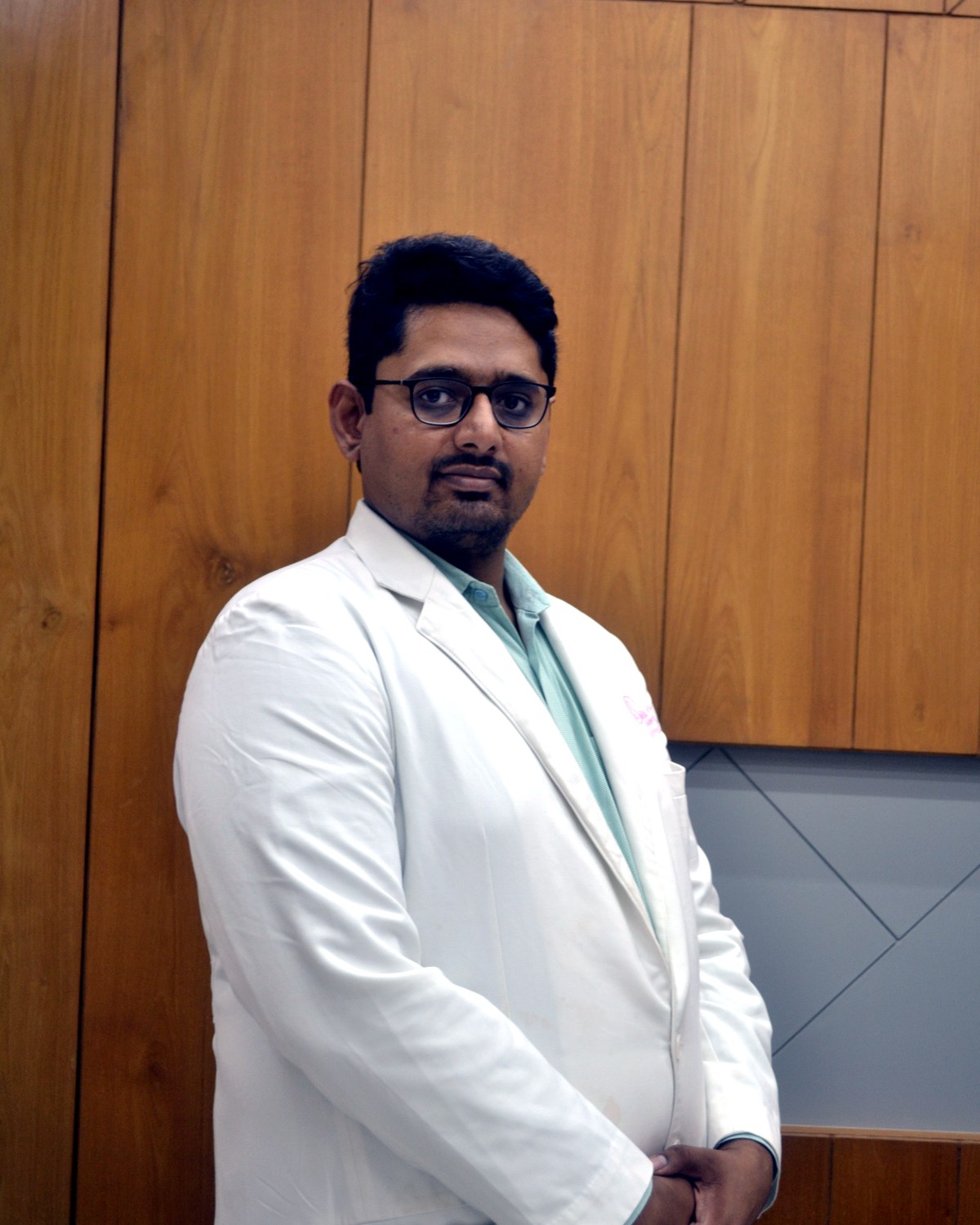
A dedicated reproductive medicine programme led by Dr. Priyadatt Patel — integrating ESHRE/ASRM-aligned protocols, an ART Level 2 embryology laboratory, advanced sperm and embryo selection technologies, and individualised care planning. Transparent outcomes. Realistic counselling. No guarantees, no fear-based marketing.
Most couples wait too long to consult. There is no wrong time to ask questions about fertility — early consultations clarify what you might face, while later consultations clarify what to do next. Either way, the conversation costs less than a delayed cycle does.
Aligned with ASRM & ESHRE patient guidance
A structured 45–60 minute consultation. We listen to the full history, review prior records, examine where appropriate, and discuss the next step in plain language. You leave with a written plan and a clear understanding of timing, costs, and options.
If you are weighing a major treatment decision — surgery, IVF, hysterectomy — a structured second-opinion consultation is one of the most valuable things you can do. Bring prior reports. We will give you our honest reading without pressure to switch your primary care.
In short — IVF is one option in fertility care, not the automatic answer. Whether it is right depends on age, ovarian reserve, the cause of infertility and what has already been tried. This section explains each step, each decision, and the situations where IVF is not the best next move.
In short
IVF is a treatment option, not a guarantee. At Balaji Horizon in Ahmedabad, IVF is offered after the cause of infertility is understood, with the plan built around age, ovarian reserve, semen parameters and any endometriosis. Simpler options such as IUI are considered first where the evidence supports them, and expectations are set honestly before starting.
Dr. Priyadatt Patel — MS OBGyn with dedicated reproductive medicine practice. Individualised protocol selection for every patient, not one-size-fits-all stimulation.
HEPA-filtered, ICMR-compliant ART facility. Experienced clinical embryologists. Vitrification standard. Time-lapse imaging, ICSI, IMSI, PGT capability.
Stimulation, trigger and luteal-support protocols follow ESHRE’s ovarian stimulation guideline (2025 update), and the number of embryos transferred follows ESHRE’s 2024 guideline. Internationally calibrated, not opinion-based.
Age-stratified live birth rate per cycle initiated and cumulative LBR per retrieval. Written prognosis at counselling. No vanity statistics.
Surgery and IVF decisions made by one team — not fragmented between centres. Critical for endometriosis-associated infertility, fibroids and hydrosalpinx.
Antagonist + agonist trigger + freeze-all strategy for high responders and PCOS. Severe OHSS is largely preventable with these strategies, not an accepted cost.
Egg freezing offered before ovarian surgery, before chemotherapy, before pregnancy delay. Quality conversations earlier rather than after damage.
Independent patient-reported outcomes. No vanity testimonials — read the verified reviews directly on Google.
IVF is a tool, not a magic answer. It is the right tool for specific indications and the wrong tool for others. Our programme prioritises:
We do not promise pregnancy. We commit to evidence-based protocol selection, transparent embryology reporting, and individualised planning. Every IVF plan is built around the individual couple — their physiology, their goals, their values.
In vitro fertilisation is one of the most powerful tools in reproductive medicine — but only when used at the right time, with the right protocol, and after the right diagnostic workup. At Balaji Horizon, Dr. Priyadatt Patel offers an evidence-aligned IVF programme grounded in ESHRE and ASRM guidance — with realistic counselling, individualised stimulation, advanced embryology, and zero overpromising.
ART Level 2 IVF Lab · ICSI · PGT-A & PGT-M · Blastocyst culture · Vitrification · TESA/PESA
Short answer: IVF is not one decision. It is a sequence of them, and the right answer at each step depends on your age, your ovarian reserve, the sperm, and whether another condition is driving the infertility. The links below go straight to the evidence on the decision in front of you.
In vitro fertilisation (IVF) is a treatment in which eggs are retrieved from the ovaries, fertilised with sperm in the embryology laboratory, cultured to a defined developmental stage, and then transferred into the uterus — either fresh, or after vitrification (frozen embryo transfer). It bypasses several biological steps that may be failing: ovulation timing, sperm transport, fertilisation environment, and tubal patency.
Since the first IVF birth in 1978, more than 12 million babies have been born worldwide using ART. In India, IVF utilisation has grown rapidly — but so has marketing-driven overuse. Modern IVF, done ethically, is neither a first-line treatment for every fertility problem nor a guaranteed solution. It is a precision tool with clear indications, clear limits, and clear costs (financial, physical, and emotional).
At Balaji Horizon we recommend IVF only when the diagnostic picture and time-cost analysis justify it. Many couples who arrive convinced they “need IVF” leave with a less invasive, less expensive, equally appropriate plan.
For couples where standard testing finds no clear cause, see our detailed guidance on unexplained infertility — what it means, how it is evaluated, and when IVF or IUI is the appropriate next step.
There are established indications for IVF where evidence and clinical experience converge. Outside these, IVF should be considered carefully against alternatives — IUI, surgery, lifestyle modification, or simply structured timing.
Bilateral tubal blockage, severe tubal damage, or absent tubes — IVF bypasses the tube entirely.
Very low count, poor motility, or surgically retrieved sperm (TESA/PESA) — typically combined with ICSI.
After 37–38 years, time-to-conception matters. IVF concentrates multiple chances per month into a single cycle.
Especially with low ovarian reserve, advanced disease, or after prior surgery — sequencing and protocol choice matter.
After 6–12 months of normal workup and ovulation induction/IUI failure — IVF as the next step.
Where embryo aneuploidy is suspected, IVF with PGT-A enables transfer of euploid embryos.
Known single-gene disorders — IVF allows selection of unaffected embryos before transfer.
Before cancer treatment, before ovarian surgery, or for elective social freezing of eggs/embryos.
Beware any clinic that quotes a single “success rate” without context. IVF outcomes depend on female age, ovarian reserve, embryo quality, uterine factor, sperm quality, prior cycle history, and a dozen other variables. The figures below reflect population-level data from published registries (HFEA, SART, ESHRE), not clinic-specific guarantees.
| Under 35 | 53.5% |
| 35–37 | 39.8% |
| 38–40 | 25.6% |
| 41–42 | 13.0% |
| Over 42 (own eggs) | 4.5% |
Cumulative live birth across multiple transfers from one egg retrieval (especially with PGT-A) can be substantially higher than per-transfer rates. We discuss your individual expected range based on your AMH, AFC, age, and prior history — not generic clinic averages.
A modern IVF cycle is a structured 4–6 week sequence with clearly defined decision points. Each step is individualised — no two patients receive identical protocols.
Comprehensive baseline: AMH, AFC, hormonal profile, uterine cavity assessment, semen analysis, infection screen, thyroid, vitamin D.
8–12 days of gonadotropin injections with daily/alternate-day monitoring. Protocol individualised to reserve and prior response.
hCG or GnRH agonist trigger to mature eggs — timed precisely 36 hours before retrieval.
Transvaginal aspiration under short sedation, 15–25 minutes. Same-day discharge.
Conventional IVF or ICSI/IMSI depending on sperm parameters and prior history.
3–5 days of incubation with strict quality control protocols (.
Trophectoderm biopsy on blastocyst day 5/6, vitrification, genetic testing report in 2–3 weeks.
Fresh (cycle day 3 or 5) or frozen embryo transfer (FET) in a separately prepared cycle.
Progesterone (vaginal/IM) and oestrogen as needed for 8–12 weeks until placental takeover.
Blood test at day 12, early viability scan at 6–7 weeks. Transition to obstetric care at 10–12 weeks.
Not every IVF cycle needs add-on techniques. ICSI helps when there is a significant sperm problem; ESHRE and NICE advise against it when sperm are normal. Current evidence does not support routine IMSI, or routine PGT-A (chromosome screening of embryos) to improve the chance of a live birth. Used routinely, add-ons add cost without improving outcomes.
Indicated for: severe male factor, surgically retrieved sperm (TESA/PESA), prior failed conventional fertilisation. Not indicated: routine use in unexplained infertility with normal semen analysis. Read more →
IMSI examines sperm at over 6000× magnification, compared with about 400× in routine ICSI. Evidence that it improves the chance of a live birth over ICSI is uncertain, and international guidelines do not recommend it for routine use. Read more →
Indicated for: advanced maternal age (≥37 years), recurrent pregnancy loss, recurrent IVF failure, single-embryo transfer policy. Reduces miscarriage rate per transfer. Read more →
Known single-gene disorder (thalassemia, sickle cell, BRCA, cystic fibrosis) or chromosomal translocations. Requires genetic counselling and probe development.
Embryology is where outcomes are made. Lab environment, embryologist skill, and equipment matter as much as any clinical protocol. Our embryology lab is configured to ART Level 2 standards under the Indian ART Act 2021 with continuous continuous quality monitoring.
Day 5/6 embryos enable selection of those with highest implantation potential. Read more →
Flash-freezing with >95% post-thaw survival — enables FET, fertility preservation, freeze-all.
Laser-thinning in selected cases — advanced age, thick zona, prior failed implantation. Read more →
Recent meta-analyses suggest FET in a separately prepared cycle produces equivalent or better outcomes than fresh transfer for many patient groups, with fewer complications.
Sequencing of surgery vs IVF is critical — wrong order can compromise ovarian reserve. Low AMH or advanced age usually means IVF before surgery; sometimes fertility preservation precedes both. See integrated guide →
Abundant follicles but OHSS risk, oocyte quality variability, high-responder challenges. Antagonist protocol, GnRH-agonist trigger, freeze-all strategy maximise safety. See PCOS pillar →
Severe oligo/asthenospermia, azoospermia (TESA/PESA), high DNA fragmentation, recurrent fertilisation failure. ICSI standard; IMSI in select cases. See male infertility guide →
Low AMH (<1.0 ng/mL) or low AFC (<5) require modified protocols — minimal stimulation, DuoStim, realistic cumulative outcome counselling vs donor egg discussion.
≥2 failed transfers with good-quality embryos. Workup: endometrial assessment, immune factors, thrombophilia, hysteroscopy, occult adenomyosis. Re-cycling without proper workup is rarely helpful.
An IVF programme is only as good as its lab and team. At Balaji Horizon, the embryology lab and OT are purpose-built — not retrofitted spaces.
ART Act 2021-compliant lab configuration with HEPA-filtered air, HVAC + AHU, dedicated procedure room, and strict embryology QC standards.
Modern inverted micromanipulator enabling routine ICSI and IMSI with continuous QC.
Follicle tracking, endometrial assessment, pregnancy monitoring by experienced reproductive sonographers.
IVF is a powerful tool, not a guarantee. Dr. Patel built this practice on three principles: realistic outcome counselling based on your individual profile, evidence-aligned protocols (ESHRE/ASRM), and a strong refusal to recommend IVF when a simpler, less invasive option exists.
“We do not promote IVF as a default. For many couples, the right plan begins with optimising what is fixable — ovulation timing, endometriosis management, weight, sleep, sperm quality. IVF enters when biology genuinely requires it. That is when we run it with full precision.” — Dr. Priyadatt Patel
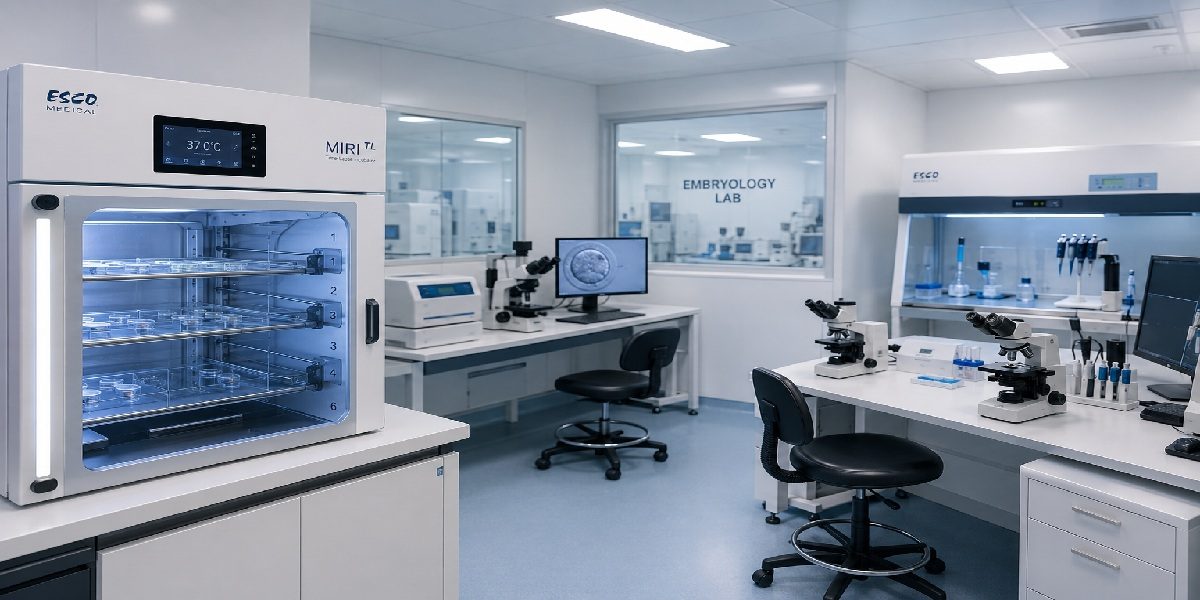
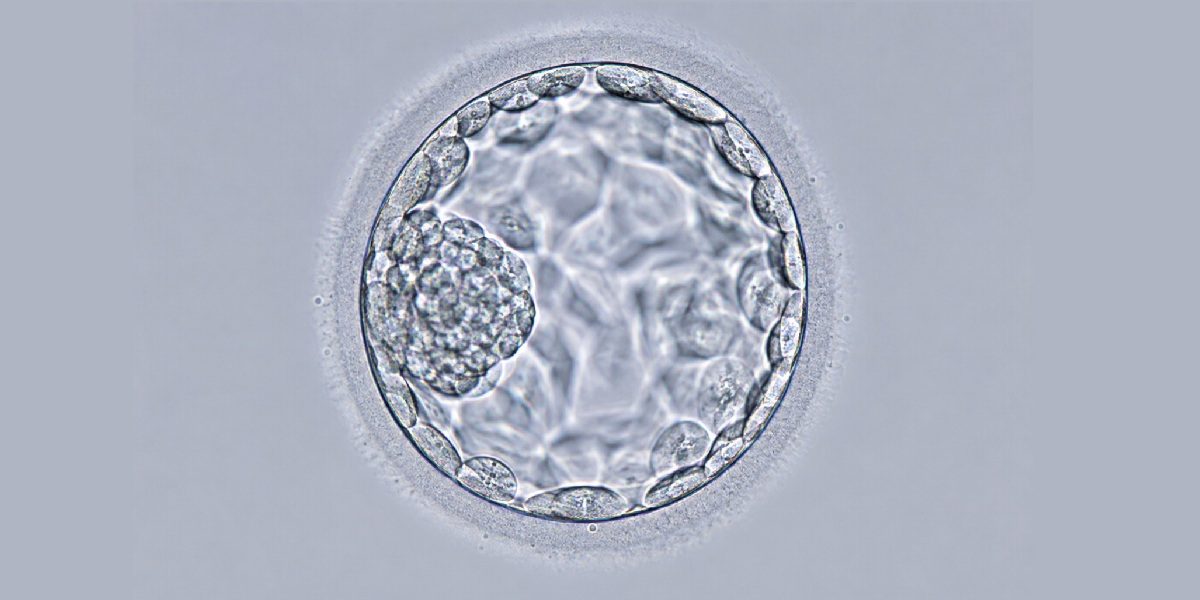
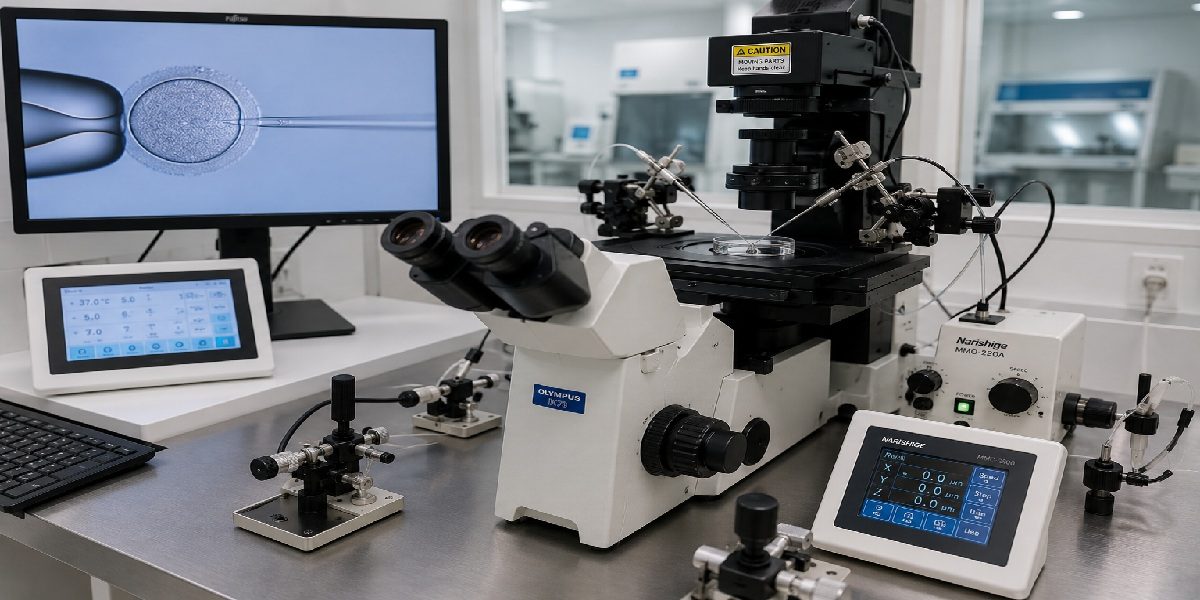
Our IVF practice follows international reproductive-medicine standards — honest counselling, individualised protocols and no overpromising of success.
From your first fertility evaluation through the two-week wait — each step explained in clinical depth, aligned with ASRM, ESHRE, NICE, and ICMR guidance.
For patients with endometriosis or adenomyosis, these resources are clinically connected:
Each topic below is a structured clinical reference written by the team. These pages sit beneath this pillar and link back here. They cover the protocol-level and decision-level questions that come up in IVF planning.
ICMR ASSISTED REPRODUCTION LEVEL
Embryology + Andrology lab in-house
BUREAU VERITAS + UKAS
Cert IND.25.899/QM/U
ADVANCED LAPAROSCOPIES
Programme lead caseload
GUJARAT PERMANENT REG
CEA/AHD/262/2025
PRINCIPLED MEDICINE · NOT PROMOTION
PATIENT PATHWAY
For couples under 35. Earlier evaluation if female age is over 35 (6 months) or if there is a known risk factor such as endometriosis, irregular cycles, prior surgery, or family history of early menopause.
Hydrosalpinx on imaging, history of pelvic surgery, severe endometriosis, or prior pelvic infection warrant earlier specialist evaluation regardless of duration trying.
Abnormal semen analysis (low count, motility, morphology, or azoospermia) requires a fertility specialist for individualised planning around IUI, IVF, or ICSI as appropriate.
Two or more clinical pregnancy losses warrant evaluation. Investigations may include parental karyotype, antiphospholipid screen, uterine cavity assessment, and embryo testing options.
Low AMH, raised FSH, or low antral follicle count suggest reduced ovarian reserve. Early specialist input protects remaining reserve and improves planning windows.
If any of these apply, request a structured 45-60 minute fertility consultation. We listen first.
Couples should receive individualised counselling on the chance of achieving a live birth taking into account female age, duration of infertility, and prior reproductive history before initiating IVF.
FREQUENTLY ASKED
Comparison
| Protocol | Typical use | Cycle length | Considerations |
|---|---|---|---|
| Antagonist | Most common, first cycle, normal/high responder | 9–11 days stimulation | Lower OHSS risk vs long agonist |
| Long agonist | Selected cases, predictable scheduling | 3–4 weeks | Higher OHSS risk, longer cycle |
| Mild / mini-IVF | Low responder, ovarian reserve concerns, patient preference | Variable | Fewer eggs but lower drug load |
| DuoStim | Very low responder, time pressure | Two stims in one menstrual cycle | Selected indication only |
Decision Tree
Neither approach is better for everyone. Randomised trials show little or no overall difference in live-birth rates; freeze-all lowers the risk of OHSS but delays transfer and has been linked with more high-blood-pressure disorders in pregnancy. The choice is individual:
A
Reasonable in younger women with normal progesterone trajectory, normal endometrium, no OHSS risk, and good embryo development.
B
Preferred when OHSS risk, progesterone rise during stimulation, endometrial concerns, PGT planned, or any factor making the fresh cycle suboptimal for implantation.
C
When poor response or unexpectedly high response (with embryo banking only). Discuss honestly — do not transfer in suboptimal conditions just to complete the cycle.
Our IVF Programme by the Numbers
Cumulative figures reflecting Dr. Patel’s practice. No per-cycle outcome rates are published; care is individualised.
Free Patient Guide
A clinically grounded primer covering AMH ranges, the cycle in plain terms, ten questions to ask, and honest international live-birth reference data by age band.
Reviewed by Dr. Priyadatt Patel — read in 20–25 minutes
Free — delivered to your inbox
After egg collection, some bloating is normal. Contact the clinic straight away if you notice:
Do not wait — call +91 97234 31544 (or Dr. Patel direct +91 99094 96027). Severe OHSS is uncommon and treatable when caught early.
Ovarian hyperstimulation syndrome (OHSS) warning signs per ESHRE/ASRM. Modern antagonist protocols and freeze-all strategies make severe OHSS rare.
Answer a few questions to see what usually matters in the decision. This is education to bring to a consultation — not a diagnosis or a recommendation.
How long have you been trying to conceive?
Female age band
Any of these apply? (optional)
Pick at least your time-trying and age band above.
Indication logic aligned with NICE CG156 (fertility) and ESHRE good-practice recommendations — IVF is indicated for specific factors, not as a default first step.
Your history, goals and any previous treatment reviewed with Dr. Patel.
Ovarian reserve (AMH and antral follicle count), uterine and tubal checks, and semen analysis.
The simplest effective option for your age, results and timing; add-ons only where evidence supports them.
Monitored stimulation, egg collection and embryo culture, then transfer or freezing.
Pregnancy test and early scan, or an honest review of options if a cycle does not succeed.
Sources: ESHRE guideline on ovarian stimulation for IVF/ICSI, 2025 update (Hum Reprod 2026); ESHRE endometriosis guideline (2022); ESHRE good practice recommendations on add-ons (2023).
Questions about your situation?
Our team will call you back during clinic hours (Mon–Sat). No obligation.
Senior Gynecologist · Advanced Laparoscopic Surgeon · IVF and Endometriosis Programme Lead
MS OBGyn · Pregnancy Care · Advanced Gynaecological Ultrasound · Fertility Preservation
ESHRE / ESGE / AAGL / ASRM guideline-aligned practice. 3D Karl Storz precision technique. Fertility-preservation-first philosophy. Evidence-based decisions, honest counselling, long-term outcomes orientation.
Planning ahead? See our IVF cost guide for what shapes the cost of a cycle and how your individual estimate is prepared.

ISO 9001:2015 Certified · State Registered
ISO 9001:2015 Quality Management System — UKAS Accredited Certification by Bureau Veritas
Certificate IND.25.899/QM/U · Valid until 02 September 2028 · Independently verify at certcheck.ukas.com
Permanently registered under Gujarat Clinical Establishments Act, 2021 · Reg. No. CEA/AHD/262/2025 · Single Speciality Hospital · 15 Beds
Operated by Balaji Women’s Clinic · Trading as Balaji Horizon Women’s Hospital
Reviewed by Dr. Priyadatt Patel. New patient guides, clinical FAQ updates and quiet clinical notes. No promotional spam.


