

IVF for PCOS — High Response, OHSS-Safe Protocols
PCOS patients are typically high responders to IVF stimulation — yielding many eggs but with high OHSS risk. Modern protocols make IVF safe and effective in PCOS. This page covers PCOS-specific protocol adaptations and outcomes.
1. PCOS and IVF — different challenges
Unlike endometriosis or low ovarian reserve, PCOS patients have abundant follicles. The challenge is not lack of eggs but managing the high response safely. Many follicles develop simultaneously. Risk of severe OHSS without appropriate protocol. Often need preliminary ovulation induction trial first (letrozole or clomiphene) before considering IVF.
2. When IVF is right for PCOS
Failed adequate ovulation induction (typically 3–6 cycles of letrozole or clomiphene). Coexisting tubal disease or male factor. Need for PGT-A in selected cases. Time-critical conception. Specific patient preference after counselling. IVF should not be first-line for anovulatory PCOS — simpler interventions often succeed.
3. Antagonist protocol — preferred
Lower OHSS risk than long agonist. Allows GnRH agonist trigger. Standard for PCOS IVF globally. Lower starting FSH dose (often 100–150 IU) to avoid over-stimulation. Careful monitoring for excessive response. Trigger when follicles 17–18 mm.
4. Agonist trigger essential
GnRH agonist (Lupride) trigger instead of hCG. Substantially reduces severe OHSS risk. Pairs with freeze-all strategy for transfer in subsequent cycle. Standard of care for PCOS IVF in high-volume centres. This single change transformed PCOS IVF safety.
5. Freeze-all strategy
Standard for PCOS IVF. Vitrify all embryos after retrieval. Transfer in subsequent cycle with optimised endometrial preparation. Removes pregnancy hCG that would exacerbate OHSS. Outcomes comparable to fresh transfer. Allows OHSS resolution before pregnancy attempt.
6. Pre-IVF optimisation
Weight optimisation — even 5–10 percent loss improves outcomes substantially. Metformin in selected cases (insulin resistance, BMI). Letrozole or low-dose contraceptive priming before stimulation cycle. Vitamin D correction. Lifestyle measures (exercise, sleep, nutrition). 3-month optimisation window critical.
7. Outcomes
PCOS IVF success rates excellent with proper protocols — often comparable to or exceeding general IVF population. Many eggs retrieved (average 15–25). Embryo development typically good. Live birth per cycle approaches that of younger non-PCOS patients with appropriate management. Cumulative success across freeze-all transfers high.
8. Long-term considerations
PCOS is chronic. Pregnancy is one part of broader management. Diabetes screening during pregnancy (gestational diabetes risk higher). Cardiovascular risk monitoring lifelong. Continued metabolic management after delivery. Lifestyle interventions remain important throughout.
IVF for PCOS
| Feature | Approach |
|---|---|
| Strong ovarian response | Antagonist protocol |
| OHSS risk | Agonist trigger, freeze-all |
| Egg quality | Individualised support |
Our IVF practice follows international reproductive-medicine standards.
Frequently Asked Questions
Why is PCOS IVF different?
Should PCOS patients try IVF first?
Will I get OHSS?
How many eggs will I get?
Will weight loss before IVF help?
What is metformin used for in PCOS IVF?
Is fresh embryo transfer safe in PCOS?
What about gestational diabetes?
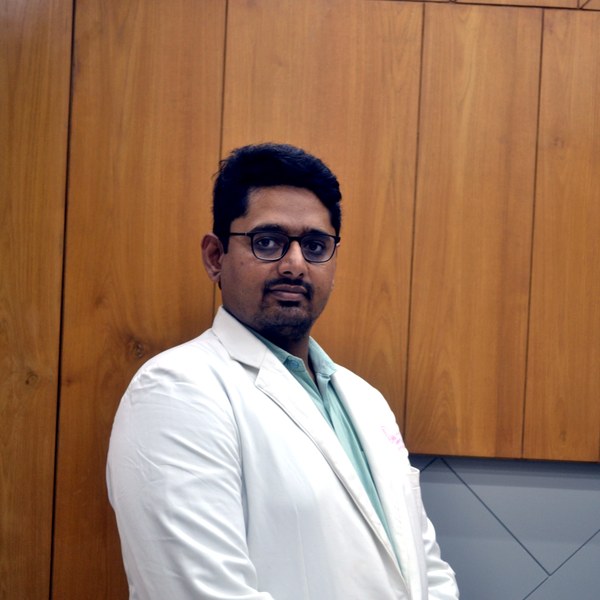
Dr Patel leads fertility care at Balaji Horizon, integrating reproductive surgery and IVF into a single plan — ethical, evidence-based and individualised, with realistic expectations and no overpromising of success.
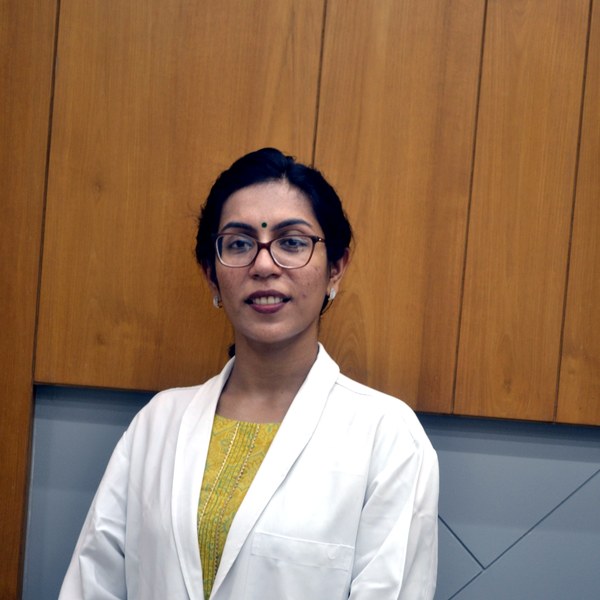
Individualised IVF and fertility planning with honest, evidence-based counselling — and realistic expectations from the very first consultation.
Dr. Priyadatt Patel
Senior Gynecologist · Advanced Laparoscopic Surgeon · IVF and Endometriosis Programme Lead
MS OBGyn · Pregnancy Care · Advanced Gynaecological Ultrasound · Fertility Preservation
ESHRE / ESGE / AAGL / ASRM guideline-aligned practice. 3D Karl Storz precision technique. Fertility-preservation-first philosophy. Evidence-based decisions, honest counselling, long-term outcomes orientation.
Science City Road, Ahmedabad 380060
Mon–Sat 11:00–20:00 · +91 97234 31544
Naranpura, Ahmedabad
Mon–Sat 08:30–10:30 · +91 70460 02566