
IVF Laboratory Techniques — ICSI, IMSI, PGT and More
The IVF laboratory is the hidden determinant of cycle outcomes. Patients see the consultant, the scans, the retrieval, the transfer. They rarely see what happens between retrieval and transfer — yet that is where the cycle is made or lost. Modern IVF laboratory technique covers fertilisation method selection (conventional IVF vs ICSI vs IMSI), embryo culture conditions, embryo selection methods, freezing techniques, and where indicated, pre-implantation genetic testing. Each technique exists for specific indications; routine application of every advanced technique is not best practice.
In short — The laboratory is where much of an IVF cycle is decided. This section explains ICSI, IMSI, assisted hatching, blastocyst culture and vitrification: what each does, when it is indicated, and when it adds complexity without adding benefit.
Our approach in the laboratory
The Balaji Horizon IVF laboratory operates to ART Level 2 standards with daily quality control on incubators, gas mixtures, and embryo media. The embryology team is the most underappreciated determinant of cycle success — we have invested in skill and process accordingly. Technique selection is patient-specific: routine ICSI is not used unnecessarily, advanced selection methods are used where evidence supports their value.
ICSI and IMSI
ICSI (intracytoplasmic sperm injection) is indicated for male factor infertility, prior fertilisation failure, and selected other cases. Routine ICSI for non-male-factor cases is not supported by evidence. IMSI (high-magnification morphological selection) is added selectively for severe male factor or recurrent IVF failure.
Blastocyst culture + vitrification
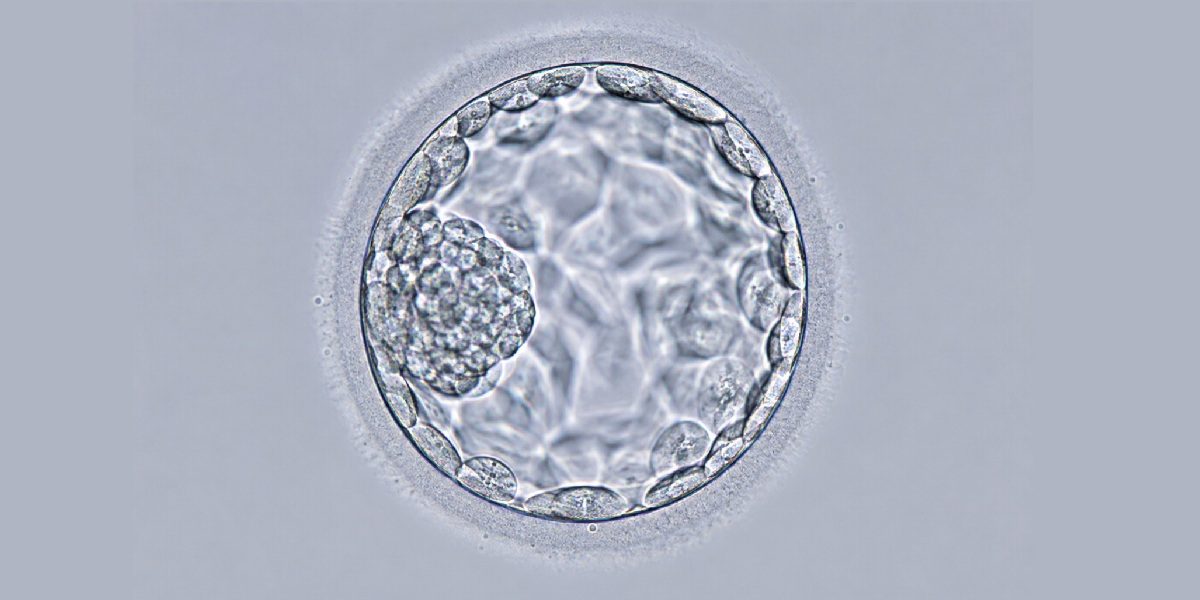
Day-5 blastocyst culture is the modern standard for most cycles — it allows better embryo selection and reduces multiple pregnancy risk through single-embryo transfer. Vitrification (ultra-rapid freezing) has revolutionised embryo cryopreservation, with thaw survival rates approaching 95% in modern labs. The freeze-all + frozen embryo transfer (FET) approach is supported by evidence for selected indications.
PGT — pre-implantation genetic testing
PGT-A (aneuploidy screening), PGT-M (monogenic disease), and PGT-SR (structural rearrangements) are used for specific indications. PGT-A is not routine for all cycles — its value is greatest in recurrent implantation failure, recurrent loss, and advanced maternal age. We discuss PGT decisions individually rather than as a default add-on.
Other techniques, and when they are used
- Assisted hatching — thinning or opening the embryo’s outer shell with a laser before transfer. It has been used after repeated implantation failure or with frozen embryos, but good-quality evidence that it improves live birth is lacking, so it is not used routinely [Source: ESHRE good practice recommendations on IVF add-ons, 2023]. See assisted hatching.
- Surgical sperm retrieval (TESA/PESA) — collecting sperm directly from the testis or epididymis when there is no sperm in the ejaculate; the sperm are then used with ICSI. See TESA and PESA.
- Frozen embryo transfer — transferring a warmed embryo in a later cycle, after freezing by vitrification. See frozen embryo transfer.
Detailed pages: ICSI · IMSI · blastocyst culture · PGT.
Lab technique topics
Assisted Hatching in IVF | Ahmedabad
Explore →Blastocyst Culture — Day 5/6 Embryo Development
Explore →Blastocyst Culture (Day-5 Transfer) | Ahmedabad
Explore →ICSI Treatment in Ahmedabad | Balaji Horizon
Explore →IMSI Treatment in Ahmedabad | Balaji Horizon
Explore →Vitrification — Modern Egg and Embryo Freezing
Explore →Guidelines we follow
- ESHRE Good Practice Guidelines for IVF Laboratories
- ESHRE PGT consortium publications
- ASRM Practice Committee opinions on laboratory techniques
- ART Level 2 laboratory standards

Dr Patel leads fertility care at Balaji Horizon, integrating reproductive surgery and IVF into a single plan — ethical, evidence-based and individualised, with realistic expectations and no overpromising of success.

IVF laboratory techniques
| Technique | Purpose |
|---|---|
| ICSI | Fertilisation with low sperm |
| IMSI | High-magnification sperm selection (selected cases) |
| Blastocyst culture | Embryo selection |
| Vitrification | Freezing eggs / embryos |
| PGT | Genetic testing (selected cases) |
Frequently asked questions
What is the difference between ICSI and IMSI?
Both inject a single sperm into the egg; IMSI uses much higher magnification to select the sperm. IMSI is reserved for specific indications rather than used routinely, as the evidence for universal benefit is limited.
What is blastocyst culture?
Growing embryos to day 5–6 (the blastocyst stage) before transfer helps select the embryos most likely to implant and supports single embryo transfer. Not every embryo reaches this stage, which is itself useful information.
Is PGT always necessary?
No. Pre-implantation genetic testing is valuable in specific situations — recurrent loss, repeated failure, advanced age or a known genetic condition — but it is not required for everyone and is discussed case by case.
Are laboratory add-ons always worth it?
No. Many add-ons help only in specific situations and have limited evidence for routine use. We recommend a technique only when there is a clear reason for you, not as a default upgrade.
How do you decide which techniques I need?
Each technique is matched to your diagnosis, for example ICSI for male factor or PGT for a specific genetic indication, so the plan uses what genuinely helps and leaves out what does not.
Individualised IVF and fertility planning with honest, evidence-based counselling — and realistic expectations from the very first consultation.
Where this fits
Laboratory technique decisions follow evaluation findings and male-factor findings. They directly shape cycle outcomes.
For a specialist IVF consultation, contact Balaji Horizon Women’s Hospital.
WhatsApp the hospital · +91 97234 31544 · Science City Road, Ahmedabad 380060
IVF laboratory standards are foundational to embryo viability. Air quality, embryologist competency, equipment calibration, and quality management systems should be aligned with ESHRE laboratory recommendations.
CONTINUE READING
Explore the IVF Programme
IVF Laboratory Techniques is one element of the broader IVF and fertility programme. The main IVF pillar covers the complete reproductive medicine framework.
Dr. Priyadatt Patel
Senior Gynecologist · Advanced Laparoscopic Surgeon · IVF and Endometriosis Programme Lead
MS OBGyn · Pregnancy Care · Advanced Gynaecological Ultrasound · Fertility Preservation
ESHRE / ESGE / AAGL / ASRM guideline-aligned practice. 3D Karl Storz precision technique. Fertility-preservation-first philosophy. Evidence-based decisions, honest counselling, long-term outcomes orientation.
323, Satyamev Eminence, Beside Saptak Bungalows & AUDA Water Tank, Science City Road, Sola, Ahmedabad 380060
Open 24 hours (emergencies & labour) · OPD Mon–Sat 11:00–20:00 · +91 97234 31544
Naranpura, Ahmedabad
Mon–Sat 08:30–10:30 · +91 70460 02566