
The IVF Process — From Stimulation to Embryo Transfer
An IVF cycle is a sequence of carefully timed steps — and getting each step right matters more than any single decision. Stimulation protocols, monitoring intensity, trigger timing, retrieval technique, laboratory conditions, embryo selection, transfer technique, and luteal support all contribute to the final outcome. No single step is the difference between success and failure; the cumulative quality across all of them is. A well-run cycle is one where each decision is calibrated to the individual patient, not delivered as a template. The full sequence, from pre-cycle assessment through to the pregnancy test, is walked through in the IVF process step by step. The three months before a cycle matter more than most patients are told — preparing for a first IVF cycle covers the optimisation window, the pre-cycle investigations, and how to read your protocol.
In short — An IVF cycle runs in sequence: stimulation, egg retrieval, fertilisation in the laboratory, embryo culture, then transfer or freezing. It usually takes about two to three weeks from the first injection to transfer. No single step decides the outcome — the quality of every step, matched to your situation, is what matters.
Typical timings. They are adjusted to how you respond, not fixed in advance.
- 1StimulationAbout 10–12 days of injections, with scans and blood tests to track response.
- 2TriggerA final maturation injection, timed roughly 36 hours before retrieval.
- 3Egg retrievalA short ultrasound-guided day procedure under sedation.
- 4FertilisationConventional IVF or ICSI, in the laboratory, on the same day.
- 5Embryo cultureUsually to day 5, the blastocyst stage, where embryos allow it.
- 6Transfer or freezeTransfer in this cycle, or freeze all and transfer in a later, unstimulated one.
A pregnancy test follows about two weeks after transfer. Freezing and transferring later is often the safer route when the risk of overstimulation is high.
Our approach to the IVF cycle
Every IVF cycle at Balaji Horizon is built from individualised stimulation protocol selection (driven by AMH, antral follicle count, age, and prior cycle response), conservative ovarian stimulation where appropriate, daily monitoring during the active phase, embryologist-driven decisions at the laboratory bench, and transfer technique calibrated to the patient. We report outcomes honestly — including the spread across age bands — rather than headline pregnancy rates.
Stimulation
Stimulation protocols range from antagonist (now the modern standard for most patients), through long agonist (used selectively), to mild stimulation and natural-cycle approaches for specific indications. The choice is calibrated to each patient. OHSS prevention is a primary consideration — current protocols make severe OHSS largely avoidable. What each injection in a stimulation protocol actually does — FSH, LH, the antagonist or agonist, the trigger, and progesterone afterwards — is set out in IVF medications explained.
Choosing a stimulation protocol
| Protocol | How it works | Usually suited to |
|---|---|---|
| Antagonist | Injections start early in the cycle; a second medicine is added after a few days to stop early ovulation. About 10–12 days. | Most patients, including those at risk of OHSS, because it allows a GnRH-agonist trigger |
| Long agonist | Down-regulation starts in the previous cycle, then stimulation; about 3–5 weeks in all | Selected patients, for example when scheduling or earlier cycles favour it |
| Mild stimulation | Lower doses, sometimes with letrozole or clomiphene; fewer eggs and fewer injections | Some patients with low reserve, or a preference for a lighter protocol |
| Random start | Stimulation begins at any point in the menstrual cycle | Urgent egg or embryo freezing, for example before cancer treatment |
Protocols are also adjusted between cycles: if a first cycle gives a lower or higher response than expected, the next plan is changed based on what happened.
Egg retrieval
Transvaginal ultrasound-guided retrieval under sedation. Modern protocols and aspiration techniques typically complete retrieval in 15–25 minutes with patients home the same day. Pain control, recovery monitoring, and OHSS-risk surveillance are standardised.
Embryo development + transfer
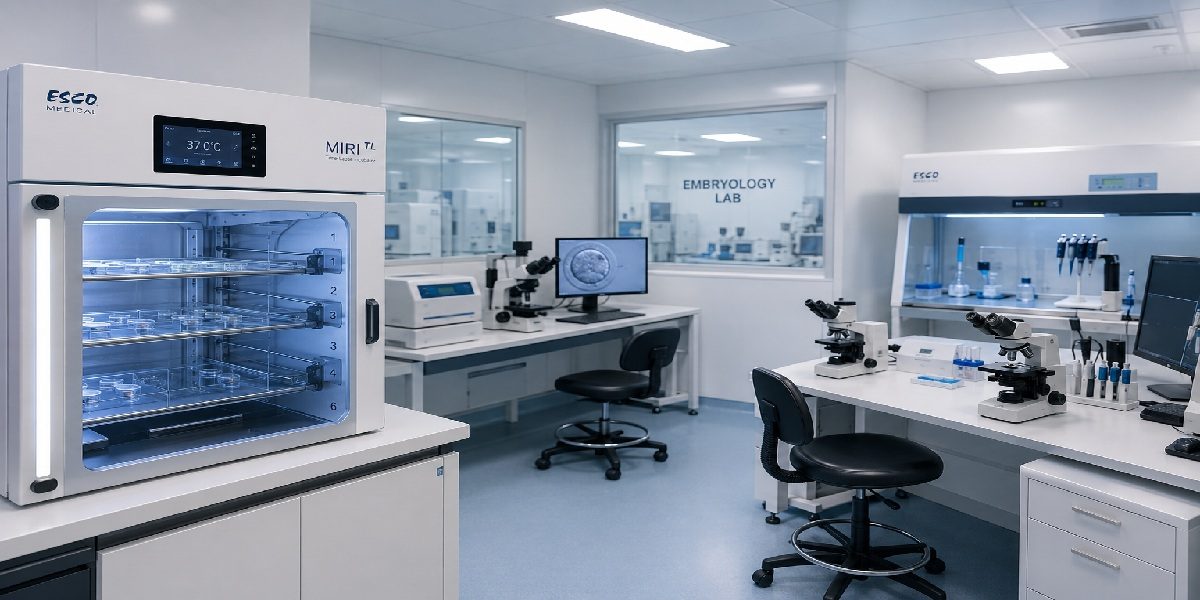
Embryos are cultured under controlled laboratory conditions, with day-5 blastocyst culture standard for most cycles. Embryo transfer is technique-sensitive — ultrasound guidance, soft catheter selection, and avoidance of cervical trauma all matter. The two-week wait after transfer is the most emotionally difficult phase of any cycle and is supported by structured patient communication. The days after transfer generate more myths than any other part of the cycle: post-transfer dos and donts, evidence versus myth separates what the evidence supports from what it does not, and post embryo transfer care covers the practical questions patients ask most.
The process step by step
Antagonist Protocol — The Modern IVF Standard
Explore →Egg Retrieval Day — What to Expect
Explore →Embryo Transfer Day — What to Expect
Explore →Frozen Embryo Transfer (FET) in Ahmedabad | Balaji Horizon
Explore →IVF Stimulation Explained — Day-by-Day Through the Cycle
Explore →Long Agonist Protocol — Pituitary Suppression IVF
Explore →Mild Stimulation IVF — Lower Dose, Same Goal
Explore →OHSS Prevention — Modern Protocols Make Severe OHSS Avoidable
Explore →The Two-Week Wait — Surviving the Hardest Part of IVF
Explore →Guidelines we follow
- ESHRE guideline: ovarian stimulation for IVF/ICSI — 2025 update
- ASRM Practice Committee statements on IVF
- ESHRE guideline: number of embryos to transfer during IVF/ICSI (2024)
- Cochrane systematic reviews on IVF protocols
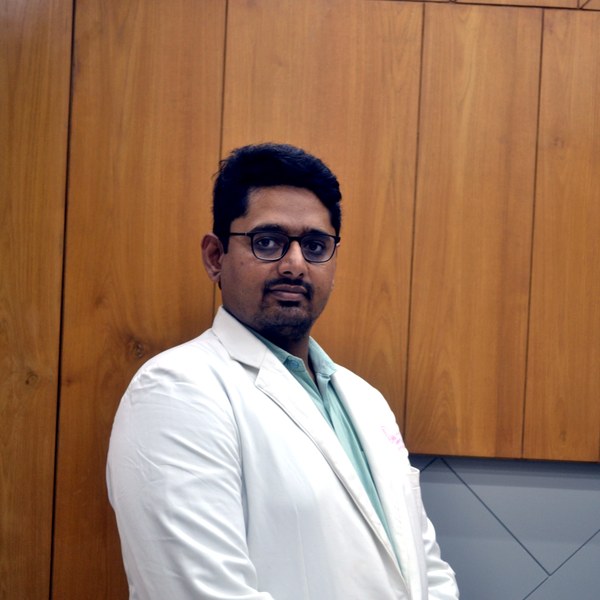
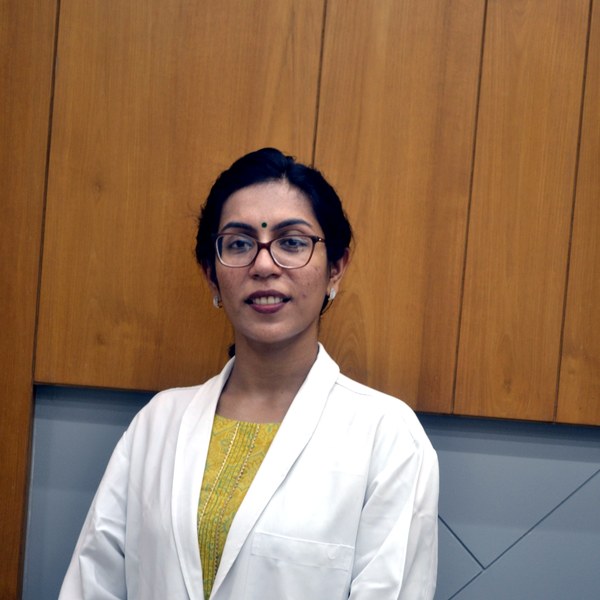
Dr Patel leads fertility care at Balaji Horizon, integrating reproductive surgery and IVF into a single plan — ethical, evidence-based and individualised, with realistic expectations and no overpromising of success.
The IVF cycle, step by step
| Stage | Approx. timing | What happens |
|---|---|---|
| Stimulation | ~10–12 days | Daily injections grow multiple follicles |
| Trigger & retrieval | 36 h, then collection | Eggs collected under sedation |
| Fertilisation | Day 0 | IVF or ICSI in the lab |
| Embryo culture | Day 3–5 | Grown towards blastocyst |
| Transfer | Day 5 or later FET | Usually a single embryo |
Frequently asked questions
How long does one IVF cycle take?
From the start of stimulation to embryo transfer an IVF cycle typically spans about two to three weeks; with a freeze-all approach the transfer happens in a later cycle. Including evaluation and preparation, the full journey is usually one to two months.
Is egg retrieval painful?
Egg retrieval is performed under sedation or short anaesthesia and is not painful during the procedure. Mild cramping or bloating afterwards is common and usually settles within a day or two.
How many embryos are transferred?
In line with current guidance we favour single embryo transfer in most situations to avoid the risks of twins, transferring more only when individual circumstances justify it. The decision is always made with you.
Can the protocol be changed if a cycle does not go as planned?
Yes. If the response to stimulation is lower or higher than expected, the next cycle’s protocol and doses are adjusted based on what happened, after a review of the cycle with you.
Individualised IVF and fertility planning with honest, evidence-based counselling — and realistic expectations from the very first consultation.
Where this fits
The IVF process is preceded by fertility evaluation and follows from cost and planning decisions. For specific situations — over 40, PCOS, recurrent failures — see special cases and troubleshooting.
For a specialist IVF consultation, contact Balaji Horizon Women’s Hospital.
WhatsApp the hospital · +91 97234 31544 · Science City Road, Ahmedabad 380060
Dr. Priyadatt Patel
Senior Gynecologist · Advanced Laparoscopic Surgeon · IVF and Endometriosis Programme Lead
MS OBGyn · Pregnancy Care · Advanced Gynaecological Ultrasound · Fertility Preservation
ESHRE / ESGE / AAGL / ASRM guideline-aligned practice. 3D Karl Storz precision technique. Fertility-preservation-first philosophy. Evidence-based decisions, honest counselling, long-term outcomes orientation.
323, Satyamev Eminence, Beside Saptak Bungalows & AUDA Water Tank, Science City Road, Sola, Ahmedabad 380060
Open 24 hours (emergencies & labour) · OPD Mon–Sat 11:00–20:00 · +91 97234 31544
Naranpura, Ahmedabad
Mon–Sat 08:30–10:30 · +91 70460 02566