
Embryo Transfer Day — What to Expect
In short — Embryo transfer is a brief, usually painless procedure: a soft catheter passes through the cervix under ultrasound guidance and places the embryo in the uterus. Technique matters — gentle passage and accurate placement affect the outcome. Sedation is rarely needed and normal activity can resume the same day.
Embryo transfer is the brief procedure placing developed embryo(s) into the uterus. Despite its medical simplicity, it carries emotional weight. This page covers preparation, the procedure, and post-transfer care.
1. Pre-transfer preparation
Mild bladder filling (helps visualise uterus on ultrasound). No fasting required. Comfortable clothing. Partner support welcome. Consultation with embryologist about embryo to be transferred (grade, day of development). Photos of embryo often provided. Confirmation of which embryo number. Identity verification.
2. Single vs double embryo transfer
Single embryo transfer standard for good prognosis patients. Reduces multiple pregnancy risks (preterm birth, low birth weight, maternal complications). Double embryo transfer in older patients, repeated failures, or specific situations. Discussion before transfer day. SET preferred by most international guidelines. Transferring one embryo at a time, with the others frozen for later, gives a similar overall chance of a baby as transferring two together, with far fewer twin pregnancies [Source: Cochrane review, 2020]. Whether to transfer fresh or freeze all embryos for a later cycle depends on your response and your lining; see frozen embryo transfer.
3. The procedure
Position in lithotomy. Speculum gentle insertion. Cervix cleansed. Ultrasound abdominal probe (full bladder helps imaging). Embryologist confirms identity of embryo loaded in transfer catheter. Catheter passes through cervical canal into upper uterine cavity under ultrasound guidance. Embryo deposited. Catheter removed. Inspected to confirm embryo successfully placed. Total time 5-10 minutes.
4. After the procedure
Brief rest in clinic 15-30 minutes (no evidence longer rest improves outcomes). Resume normal activities. Mild cramping possible. Slight spotting possible. No bed rest required. Studies show no benefit from extended rest. Mental and physical activity normal.
5. Luteal support
Progesterone (vaginal, injectable, or oral) continued from day of retrieval through 8-10 weeks of pregnancy if conception occurs. Sometimes estradiol added. Folic acid continues. Other prescribed medications maintained.
6. Activity guidance
Resume normal activities immediately. Walking, normal work, light household activities. Avoid strenuous exercise, heavy lifting, hot baths, alcohol, smoking. Sexual intercourse — practitioners differ; many advise avoidance until pregnancy confirmation. Light to moderate activity has NOT been shown to reduce implantation rates.
7. Diet and lifestyle
Normal balanced diet. Continue prenatal vitamins. Adequate hydration. Avoid alcohol, smoking, recreational drugs. Limit caffeine. Listed contraindications (raw meat, unpasteurised dairy, certain fish) as appropriate. No need for extreme dietary restrictions.
8. Looking forward
14-day wait to pregnancy test (beta-hCG blood test 14 days post-transfer or 9-10 days post-blastocyst transfer). Symptoms not reliable predictors. Continue medications as prescribed. Watch for severe pain, heavy bleeding, signs of OHSS. Pregnancy test scheduled at clinic. Result by phone.
Embryo transfer day
| Step | Detail |
|---|---|
| Procedure | Quick, no anaesthesia |
| Number transferred | Usually one |
| Afterwards | Normal activity |
| Pregnancy test | About two weeks later |
Our IVF practice follows international reproductive-medicine standards.
Frequently Asked Questions
Is embryo transfer painful?
How long does transfer take?
Do I need bed rest after transfer?
Can I work after transfer?
How many embryos will be transferred?
When can I have intercourse?
What about exercise?
When do I take the pregnancy test?
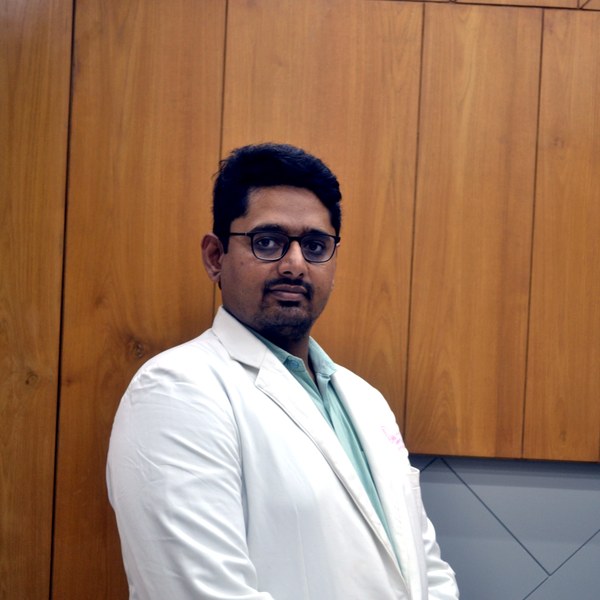
Dr Patel leads fertility care at Balaji Horizon, integrating reproductive surgery and IVF into a single plan — ethical, evidence-based and individualised, with realistic expectations and no overpromising of success.

Individualised IVF and fertility planning with honest, evidence-based counselling — and realistic expectations from the very first consultation.
Dr. Priyadatt Patel
Senior Gynecologist · Advanced Laparoscopic Surgeon · IVF and Endometriosis Programme Lead
MS OBGyn · Pregnancy Care · Advanced Gynaecological Ultrasound · Fertility Preservation
ESHRE / ESGE / AAGL / ASRM guideline-aligned practice. 3D Karl Storz precision technique. Fertility-preservation-first philosophy. Evidence-based decisions, honest counselling, long-term outcomes orientation.
323, Satyamev Eminence, Beside Saptak Bungalows & AUDA Water Tank, Science City Road, Sola, Ahmedabad 380060
Open 24 hours (emergencies & labour) · OPD Mon–Sat 11:00–20:00 · +91 97234 31544
Naranpura, Ahmedabad
Mon–Sat 08:30–10:30 · +91 70460 02566