
Long Agonist Protocol — Pituitary Suppression IVF
In short — The long agonist protocol suppresses the pituitary before stimulation begins, so the cycle starts from a controlled baseline. It takes longer and cannot use an agonist trigger. It is chosen selectively — for example where earlier cycles showed poor synchronisation — rather than as a default.
The long GnRH agonist protocol uses pre-stimulation pituitary downregulation for tight cycle control. Best evidence base for endometriosis and adenomyosis. This page explains the protocol, when it is preferred over antagonist, and what to expect across the 3–5 week cycle.
1. How the long agonist protocol works
GnRH agonist (Lupride, Buserelin, Triptorelin) started in mid-luteal phase of the preceding cycle (cycle day 21). Initial flare of FSH/LH followed by progressive pituitary downregulation over 2–3 weeks. After confirmed suppression (low estradiol, no follicles above 10 mm), FSH stimulation begins. Trigger when follicles 17–18 mm; agonist continued until trigger.
2. Why downregulation matters
Full pituitary suppression prevents any LH surge during stimulation — no premature ovulation. Synchronises follicle cohort recruitment for more uniform development. Provides predictable, controllable cycle. Suppresses any cyclical disease activity (endometriosis, adenomyosis) during the stimulation period. Particularly valuable when timing matters or disease activity threatens implantation.
3. Who benefits most
Endometriosis — particularly stage III–IV with active inflammation. Adenomyosis — suppression during stimulation and transfer may improve implantation. Normal good responders without OHSS concerns. Patients requiring tight cycle control for scheduling. Some studies suggest improved per-cycle pregnancy rates in selected groups (debated by modern meta-analyses).
4. Day-by-day timeline
Cycle preceding stimulation, day 21: start agonist. Day 28 of that cycle (or first day of next period): baseline assessment. Continue agonist 1–2 weeks. After confirmed suppression: start FSH. Stimulation 10–12 days. Trigger. Retrieval. Total time from agonist start to retrieval: 3–5 weeks.
5. Limitations and considerations
Longer cycle than antagonist. Higher OHSS risk than antagonist (especially in PCOS — antagonist preferred there). Initial flare effect with agonist may temporarily increase estrogen and discomfort. Hot flushes from oestrogen suppression during downregulation phase. Higher psychological burden of longer cycle. Higher cumulative medication exposure.
6. Ultra-long variant
For severe endometriosis or adenomyosis — agonist for 2–3 months before stimulation begins. Achieves deep disease suppression. Improved implantation rates in some endometriosis studies. Long duration limits utility for time-critical patients. Add-back oestrogen sometimes used to mitigate menopausal side effects.
7. Side effects during downregulation
Hot flushes, mood changes, headaches, vaginal dryness — typical menopausal symptoms during 2–3 week downregulation phase. Resolve once FSH stimulation begins. Some patients tolerate poorly; antagonist or ultra-short protocol preferred in those cases.
8. Decision: long agonist or antagonist?
Antagonist is now first-line for most patients per international consensus. Long agonist preferred in: stage III–IV endometriosis, significant adenomyosis, selected good responders preferring tight cycle control, specific scheduling needs. Final decision individualised at consultation.
Long agonist protocol
| Feature | Detail |
|---|---|
| Down-regulation | Before stimulation starts |
| Suits | Selected cases (e.g. endometriosis) |
| Length | Longer overall |
Our IVF practice follows international reproductive-medicine standards.
Frequently Asked Questions
How long is a long agonist cycle?
Why use long agonist if antagonist is shorter?
Will I have menopausal symptoms?
Is OHSS risk higher with long agonist?
Can I skip the downregulation if I do not want it?
Does long agonist work better for endometriosis?
What is ultra-long protocol?
Can the agonist affect my future cycles?

Dr Patel leads fertility care at Balaji Horizon, integrating reproductive surgery and IVF into a single plan — ethical, evidence-based and individualised, with realistic expectations and no overpromising of success.
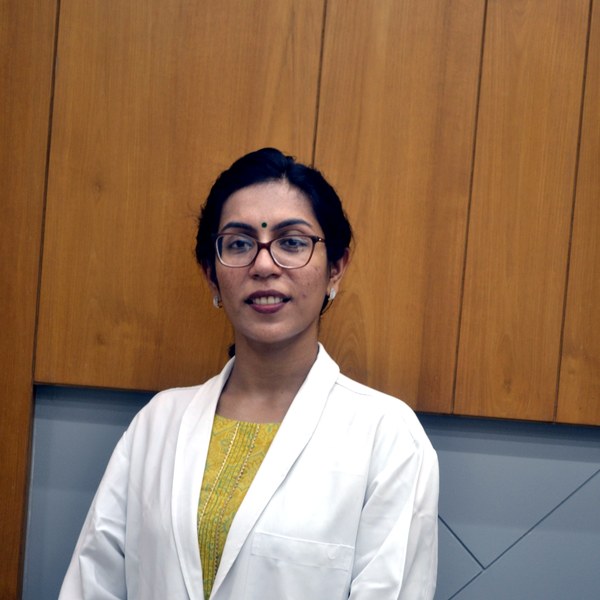
Individualised IVF and fertility planning with honest, evidence-based counselling — and realistic expectations from the very first consultation.
Dr. Priyadatt Patel
Senior Gynecologist · Advanced Laparoscopic Surgeon · IVF and Endometriosis Programme Lead
MS OBGyn · Pregnancy Care · Advanced Gynaecological Ultrasound · Fertility Preservation
ESHRE / ESGE / AAGL / ASRM guideline-aligned practice. 3D Karl Storz precision technique. Fertility-preservation-first philosophy. Evidence-based decisions, honest counselling, long-term outcomes orientation.
323, Satyamev Eminence, Beside Saptak Bungalows & AUDA Water Tank, Science City Road, Sola, Ahmedabad 380060
Open 24 hours (emergencies & labour) · OPD Mon–Sat 11:00–20:00 · +91 97234 31544
Naranpura, Ahmedabad
Mon–Sat 08:30–10:30 · +91 70460 02566