

IVF Protocols Overview — Individualised Stimulation Design
IVF stimulation protocols are not one-size-fits-all. Choice of protocol depends on age, AMH, AFC, BMI, prior response, coexisting pathology and fertility timeline. This page maps the major protocol types and the rationale behind each choice.
1. Why protocol matters
Stimulation protocol determines: number of eggs retrieved, egg quality (timing of trigger and exposure to stimulation), OHSS risk, cycle cancellation risk, embryo development outcomes, and ultimately live birth rate. Different protocols deliver different results in different patient subgroups. Individualisation is evidence-based, not optional.
2. Antagonist protocol — most common
Start FSH on day 2–3. Add GnRH antagonist (Cetrotide, Orgalutran) day 5–7 to prevent premature LH surge. Trigger when follicles 17–18 mm. Best for: most patients, including PCOS (lower OHSS risk than long agonist), normal responders, time-critical cases. Shorter duration (10–12 days). Lower OHSS risk than long agonist.
3. Long agonist protocol
GnRH agonist (Lupride, Buserelin) started in luteal phase of preceding cycle for downregulation. After confirmed suppression, FSH stimulation begins. Trigger when follicles mature. Best for: endometriosis (improved implantation rates per some studies), normal-good responders without OHSS concern. Longer duration (3–5 weeks total). Higher OHSS risk than antagonist.
4. Ultra-long protocol
GnRH agonist for 2–3 months before stimulation begins. Achieves deep suppression of endometriosis activity. Used for severe endometriosis with high disease activity. Adenomyosis cases. Some studies show improved implantation rates. Long duration limits utility for time-critical patients.
5. Mild stimulation / Mini-IVF
Lower FSH doses, sometimes with clomiphene or letrozole adjunct. Fewer eggs retrieved per cycle but lower medication burden. Best for: poor responders (high doses fail to recruit more follicles anyway), patients preferring minimal hormonal load, repeated full-dose IVF without success. May require more cycles for same cumulative success.
6. Poor responder protocols
DuoStim (dual stimulation in same cycle) — two retrievals 7–10 days apart, maximises egg recruitment in low-reserve patients. Estrogen priming before stimulation. Androgen priming (DHEA, testosterone) in selected cases — emerging evidence. Letrozole or clomiphene-assisted protocols. Microflare protocols. Each adapted to the specific poor-responder pattern.
7. Random-start protocols
For time-critical cases (cancer fertility preservation, urgent treatment). Stimulation begins at any cycle stage rather than waiting for cycle day 2–3. Outcomes comparable to standard timing in published studies. Critical for oncofertility — when waiting weeks is not possible before chemotherapy starts.
8. How protocol is chosen
Age and ovarian reserve (AMH, AFC) drive primary protocol selection. Coexisting conditions (PCOS for antagonist, endometriosis for long agonist or ultra-long). Prior cycle response in repeat cycles. Time constraints (oncofertility for random-start). Patient preference (mild stimulation for hormonal load minimisation). Decision is individualised at consultation and may be adjusted during cycle.
Stimulation protocols
| Protocol | Best suited to |
|---|---|
| Antagonist | Most patients, PCOS (OHSS-safe) |
| Long agonist | Selected cases |
| Mild stimulation | Low reserve or preference |
Our IVF practice follows international reproductive-medicine standards.
Frequently Asked Questions
What is the evidence-based IVF protocol?
How is my protocol selected?
Can I switch protocols if my first cycle failed?
Is mild stimulation as effective?
What is DuoStim?
How long does each protocol take?
Does protocol affect egg quality?
Will I get OHSS?
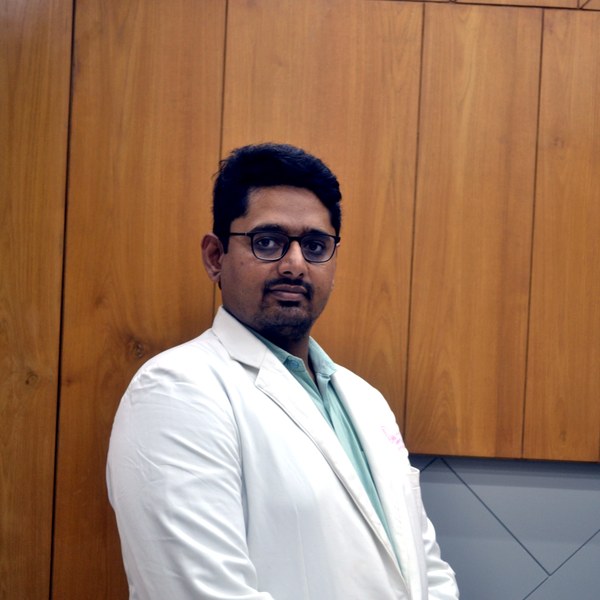
Dr Patel leads fertility care at Balaji Horizon, integrating reproductive surgery and IVF into a single plan — ethical, evidence-based and individualised, with realistic expectations and no overpromising of success.
Individualised IVF and fertility planning with honest, evidence-based counselling — and realistic expectations from the very first consultation.
IVF stimulation protocols at a glance
Protocol selection is individualised to ovarian reserve and prior response.
| Protocol | Typical use | Cycle length | Note |
|---|---|---|---|
| Antagonist | Most first cycles; normal/high responders | 9–11 days | Lower OHSS risk |
| Long agonist | Selected cases, predictable scheduling | 3–4 weeks | Higher OHSS risk, longer |
| Mild / mini-IVF | Low responders, reserve concerns | Variable | Fewer eggs, lower drug load |
| DuoStim | Very low responders, time pressure | Two stims / cycle | Selected indication only |
ESHRE ovarian-stimulation guidance, individualised at consultation. — Per ESHRE Guideline on Ovarian Stimulation for IVF/ICSI (2019, updated).
Dr. Priyadatt Patel
Senior Gynecologist · Advanced Laparoscopic Surgeon · IVF and Endometriosis Programme Lead
MS OBGyn · Pregnancy Care · Advanced Gynaecological Ultrasound · Fertility Preservation
ESHRE / ESGE / AAGL / ASRM guideline-aligned practice. 3D Karl Storz precision technique. Fertility-preservation-first philosophy. Evidence-based decisions, honest counselling, long-term outcomes orientation.
Science City Road, Ahmedabad 380060
Mon–Sat 11:00–20:00 · +91 97234 31544
Naranpura, Ahmedabad
Mon–Sat 08:30–10:30 · +91 70460 02566