
Egg Retrieval Day — What to Expect
In short — Egg retrieval is a short ultrasound-guided procedure under sedation, usually 20–30 minutes, timed about 36 hours after the trigger injection. Fluid is drawn from each follicle and the eggs are found in the laboratory. Most patients go home the same day. Not every follicle contains an egg.
Egg retrieval is the brief day-care procedure that collects mature oocytes from stimulated ovaries. This page covers preparation, the procedure, recovery, and follow-up.
1. Pre-procedure preparation
Fasting after midnight (no food, no water). Trigger injection administered exactly 36 hours before retrieval. Comfortable clothing. Transport arranged (cannot drive home post-sedation). Partner sperm collection planned (fresh same day, or thawed from previous freezing). Pre-admission identification and consent confirmation.
2. Arrival and admission
Arrive 1-2 hours before scheduled retrieval. Identification confirmed. Vital signs. Anaesthetic review. IV access established. Bladder emptied. Comfortable position. Anti-anxiety medication if needed. Final consent confirmation. Time-out procedure with team confirms patient and procedure.
3. The procedure
Light general anaesthesia or deep sedation. Patient in lithotomy position. Transvaginal ultrasound probe with needle guide. Vaginal preparation. Needle passes through vaginal wall into each follicle, aspirating fluid containing oocyte. Each follicle drained systematically. Procedure typically 20-30 minutes total.
4. In the laboratory
Each aspirate immediately delivered to embryology laboratory. Embryologist locates oocytes from follicular fluid. Mature oocytes identified. Counted. Held in optimal incubator conditions. Awaits sperm preparation for fertilisation. Process happens parallel to retrieval procedure.
5. Recovery
1-2 hours in recovery unit. Vital signs monitored. Sedation wears off. Light snack tolerated. Pain management as needed. Mild cramping common. Bloating from enlarged ovaries persists. Updates on egg count provided by embryologist. Discharge same day with companion.
6. Post-procedure care
Rest day 1. Light activity day 2-3. Adequate hydration (3 litres daily). Avoid intense exercise, heavy lifting, sexual intercourse for 1-2 weeks. Watch for OHSS symptoms — severe pain, breathing difficulty, weight gain. Mild cramping and bloating normal. Pain medication (paracetamol; avoid NSAIDs as may affect implantation) for discomfort.
7. Embryology updates
Day 1 — fertilisation report (how many of the eggs fertilised normally). Day 3 — early embryo development update. Day 5 — blastocyst formation report. Day 5 or 6 — final number of usable embryos. Updates by phone or message. Anxiety during waits is normal — embryologist available for questions.
8. Next steps
Fresh transfer 3-5 days post-retrieval if planned. Freeze-all if OHSS risk, PGT-A, or other indications. Frozen embryo transfer in subsequent cycle. Luteal support started day of retrieval (progesterone, sometimes estradiol). Follow-up appointment to discuss outcomes and next steps if needed.
Egg retrieval
| Aspect | Detail |
|---|---|
| Anaesthesia | Sedation or short general |
| Duration | About 20–30 minutes |
| Recovery | Same day |
| Afterwards | Mild cramping is common |
Our IVF practice follows international reproductive-medicine standards.
Frequently Asked Questions
Is egg retrieval painful?
How long does the procedure take?
When can I go home?
How many eggs will be retrieved?
What if I have OHSS?
When will I know how many eggs fertilised?
Can I work the next day?
When is embryo transfer?
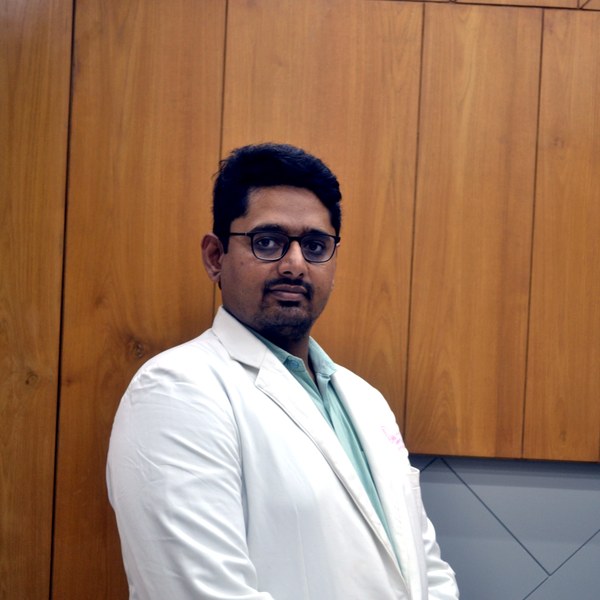
Dr Patel leads fertility care at Balaji Horizon, integrating reproductive surgery and IVF into a single plan — ethical, evidence-based and individualised, with realistic expectations and no overpromising of success.
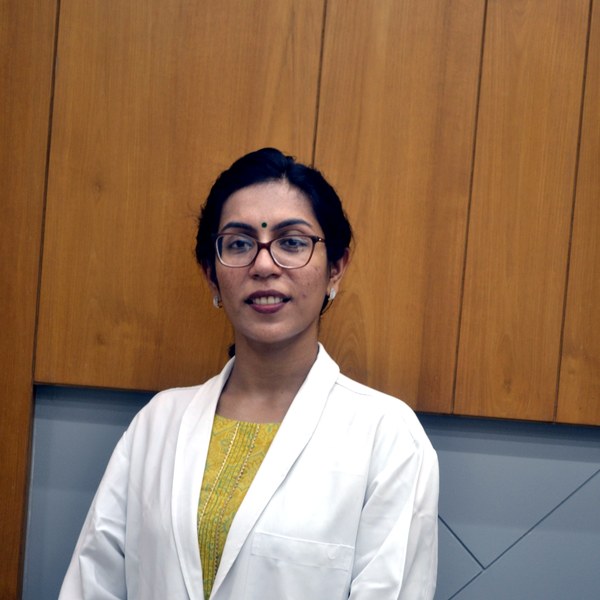
Individualised IVF and fertility planning with honest, evidence-based counselling — and realistic expectations from the very first consultation.
Dr. Priyadatt Patel
Senior Gynecologist · Advanced Laparoscopic Surgeon · IVF and Endometriosis Programme Lead
MS OBGyn · Pregnancy Care · Advanced Gynaecological Ultrasound · Fertility Preservation
ESHRE / ESGE / AAGL / ASRM guideline-aligned practice. 3D Karl Storz precision technique. Fertility-preservation-first philosophy. Evidence-based decisions, honest counselling, long-term outcomes orientation.
323, Satyamev Eminence, Beside Saptak Bungalows & AUDA Water Tank, Science City Road, Sola, Ahmedabad 380060
Open 24 hours (emergencies & labour) · OPD Mon–Sat 11:00–20:00 · +91 97234 31544
Naranpura, Ahmedabad
Mon–Sat 08:30–10:30 · +91 70460 02566