
IVF · Transfer strategy
Frozen versus fresh embryo transfer — what the current evidence supports
In short — A fresh transfer places an embryo in the same cycle as egg collection; a frozen transfer uses a later, unstimulated cycle. Frozen transfer is often preferred when overstimulation risk is high, when the lining is not ready, or when genetic testing is planned. Neither is universally better — the choice is individual.
For decades fresh embryo transfer was the default in IVF. Modern vitrification (rapid cooling) has changed the equation. Frozen embryo transfer is now equivalent to or better than fresh transfer in many situations, and clearly better in some. This page describes when each is the right choice and how the decision is individualised.
How vitrification changed the field
Older slow-freezing techniques damaged embryos in the freeze-thaw process; survival rates were modest. Modern vitrification — an ultra-rapid cooling that prevents ice-crystal formation — achieves embryo survival rates above 95 per cent for blastocysts in good laboratories. This single technical change is what made the frozen-fresh conversation meaningful.
When freeze-all is the right choice
- OHSS risk — high oestradiol, high follicle count, PCOS patients on stimulation; pregnancy in a stimulated cycle worsens OHSS
- Premature progesterone rise — suggests endometrial-embryo asynchrony in the fresh cycle
- Thin or non-receptive endometrium on the day of trigger
- Severe endometriosis and adenomyosis — some evidence of better outcomes after a planned frozen cycle
- Cycles undergoing PGT — mandatory freeze, since results take time
- Patient preference or logistical reasons after structured counselling
When fresh transfer is fine
- Normal responder with no OHSS risk
- Receptive endometrium on the day of trigger
- Normal progesterone on the day of trigger
- Good-quality embryos available on day 5
- No specific freeze-indication identified
What the evidence shows
Meta-analyses suggest that live birth rates are equivalent overall between freeze-all and fresh transfer in good-prognosis patients. In hyperresponders (PCOS, high AMH), freeze-all has clear advantages in safety and modestly higher live birth. In normo-responders, the choice is more about individual factors than absolute superiority. The literature is still evolving and the right policy is individualised, not protocol-driven.
Frozen transfer protocols
- Natural cycle frozen transfer — for patients with regular ovulation; the embryo is transferred at the appropriate post-ovulation window
- Modified natural cycle — ovulation triggered with hCG, transfer timed accordingly
- Hormone-replaced (artificial) cycle — oestrogen then progesterone prepare the endometrium; the embryo is transferred at the right luteal day. Useful for PCOS, irregular cycles, or where timing flexibility is needed.
Obstetric outcomes
Frozen embryo transfer has been associated in some studies with lower risk of preterm birth and low birth weight (compared to fresh) but higher risk of hypertensive disorders of pregnancy — particularly in hormone-replaced cycles. Natural-cycle frozen transfer may avoid this hypertensive signal; current data favour natural-cycle transfer where the patient can support it.
The decision in practice
The freeze-vs-fresh decision is made by the clinician and embryologist on the day of trigger or the day of retrieval, with explicit conversation with the patient. Where a freeze-all is recommended, the rationale is documented and the planned frozen transfer timeline is shared.
Guidelines we follow on this topic
- ESHRE Guideline on Embryo Transfer
- Cochrane review on fresh vs frozen embryo transfer
- ASRM committee opinion on freeze-all
- NICE fertility guidance
Related reading
Frozen embryo transfer is associated with similar or modestly higher live birth rates in many populations and reduces OHSS risk. The decision should be individualised per patient.
CONTINUE READING
Fresh vs frozen embryo transfer
| Fresh | Frozen (FET) | |
|---|---|---|
| Timing | Same cycle | A later cycle |
| OHSS risk | Higher | Lower (freeze-all) |
| Endometrium | Stimulated | Natural or medicated |
Explore the IVF Programme
Frozen versus Fresh Embryo Transfer is one part of the broader IVF and fertility programme. The main IVF pillar covers individualised protocols, success counselling, and long-term reproductive planning.
Free Patient Guide
The IVF Readiness Checklist
A clinically grounded primer covering AMH ranges, the cycle in plain terms, ten questions to ask, and honest international live-birth reference data by age band.
Reviewed by Dr. Priyadatt Patel — read in 20–25 minutes
Free — delivered to your inbox
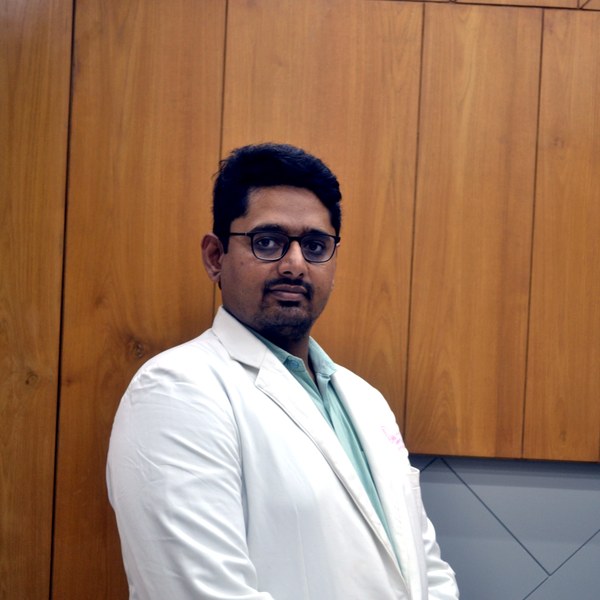
Dr Patel leads fertility care at Balaji Horizon, integrating reproductive surgery and IVF into a single plan — ethical, evidence-based and individualised, with realistic expectations and no overpromising of success.

Individualised IVF and fertility planning with honest, evidence-based counselling — and realistic expectations from the very first consultation.
Dr. Priyadatt Patel
Senior Gynecologist · Advanced Laparoscopic Surgeon · IVF and Endometriosis Programme Lead
MS OBGyn · Pregnancy Care · Advanced Gynaecological Ultrasound · Fertility Preservation
ESHRE / ESGE / AAGL / ASRM guideline-aligned practice. 3D Karl Storz precision technique. Fertility-preservation-first philosophy. Evidence-based decisions, honest counselling, long-term outcomes orientation.
323, Satyamev Eminence, Beside Saptak Bungalows & AUDA Water Tank, Science City Road, Sola, Ahmedabad 380060
Open 24 hours (emergencies & labour) · OPD Mon–Sat 11:00–20:00 · +91 97234 31544
Naranpura, Ahmedabad
Mon–Sat 08:30–10:30 · +91 70460 02566