
IVF · Polycystic ovary syndrome
IVF in polycystic ovary syndrome — high response, careful protocols
In short — In PCOS the difficulty is usually ovulation rather than egg supply, so many women conceive with ovulation induction or IUI before IVF is considered. When IVF is used, the main concerns are overstimulation risk and careful trigger choice. Stimulation is deliberately gentler, and a freeze-all approach is often safer.
Patients with polycystic ovary syndrome (PCOS) are at the opposite end of the spectrum from poor responders. The challenge is not getting enough follicles; it is getting them safely. Hyperresponse, ovarian hyperstimulation syndrome (OHSS), and atypical embryology all need to be planned for. This page describes how IVF in PCOS is conducted to deliver good cumulative success with low complication rates.
Why PCOS-IVF needs its own approach
Three features make PCOS-IVF distinctive:
- High antral follicle count — large pool of follicles ready to respond to FSH
- Sensitivity to gonadotropins — patients often need lower starting doses than apparent ovarian reserve would suggest
- Elevated OHSS risk — both immediate (during the cycle) and late (if pregnancy occurs after fresh transfer)
Pre-cycle optimisation
- Glycaemic and weight assessment — metformin where indicated, structured lifestyle support
- Vitamin D, thyroid, prolactin, androgen panel
- Endometrial assessment if there is a history of irregular shedding
- Realistic conversation about expected yield (often high, sometimes very high)
Protocol of choice
The GnRH antagonist protocol with low-dose gonadotropin start is the standard. It allows the option of a GnRH agonist trigger instead of hCG, which substantially reduces OHSS risk while still triggering oocyte maturation. The agonist trigger combined with a planned freeze-all approach is among the safest paths in high-AMH patients.
Long agonist protocols are now used only selectively in PCOS because of their higher OHSS profile.
Monitoring
- Frequent ultrasound and oestradiol monitoring
- Adjusting dose down (or pausing) when oestradiol rises rapidly
- Counting follicles on each scan and pre-empting OHSS rather than reacting to it
- Coasting (pausing gonadotropins while continuing antagonist) where indicated
Triggering and OHSS prevention
- GnRH agonist trigger as default in high-risk patients
- Cabergoline in the post-trigger period
- Freeze-all strategy in patients at substantial risk, with elective frozen embryo transfer in a subsequent cycle
- Dual trigger (agonist plus low-dose hCG) in selected lower-risk patients
- Albumin or hydroxyethyl starch — no longer routine, used selectively per current evidence
Embryology in PCOS
Oocyte yield is typically high; however, fertilisation and embryo development rates can be slightly lower per oocyte. Quality control is the focus — high-quality blastocyst selection, often with PGT-A in selected patients, and single embryo transfer to avoid the additive OHSS risk of multiple pregnancy.
Frozen embryo transfer
After a freeze-all, transfer is performed in a subsequent cycle — either a natural cycle, modified natural, or hormone-replaced cycle, depending on the patient’s cycle pattern. PCOS patients often need hormone-replaced protocols because of unpredictable ovulation, but natural-cycle transfer is preferred where ovulation can be reliably timed. In women with PCOS, a large randomised trial found a higher live-birth rate after freezing all embryos than after fresh transfer, but also a higher rate of pre-eclampsia, so the choice is made individually [Source: Chen et al., N Engl J Med, 2016].
Long-term metabolic health
IVF in PCOS is also an opportunity to address long-term cardiometabolic risk. The pre-conception and post-treatment conversation covers insulin resistance, weight, blood pressure, lipids, and the elevated long-term type 2 diabetes risk. Pregnancy after PCOS-IVF carries higher rates of gestational diabetes and hypertensive disorders; the antenatal pathway is intensified accordingly. For patients not yet at the IVF stage, getting pregnant with PCOS covers the evidence-based steps that come first.
Guidelines we follow on this topic
- International PCOS Guideline 2023
- ESHRE Ovarian Stimulation Guideline
- ASRM committee opinion on OHSS
- NICE fertility guidance
Related reading
PCOS patients are at higher risk of OHSS. GnRH antagonist protocols with agonist trigger and freeze-all strategy reduce OHSS risk significantly compared with traditional long protocols.
CONTINUE READING
IVF with PCOS
| Feature | Approach |
|---|---|
| Strong ovarian response | Antagonist protocol |
| OHSS risk | GnRH-agonist trigger, freeze-all |
| Egg quality | Individualised support |
Explore the IVF Programme
IVF in PCOS is one part of the broader IVF and fertility programme. The main IVF pillar covers individualised protocols, success counselling, and long-term reproductive planning.
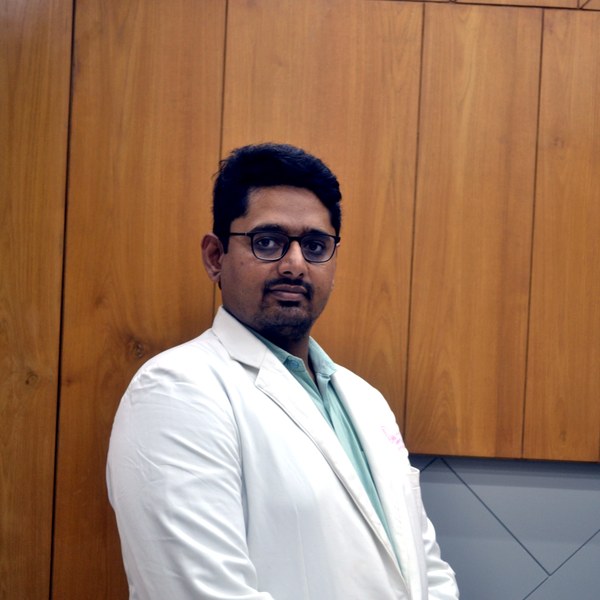
Dr Patel leads fertility care at Balaji Horizon, integrating reproductive surgery and IVF into a single plan — ethical, evidence-based and individualised, with realistic expectations and no overpromising of success.
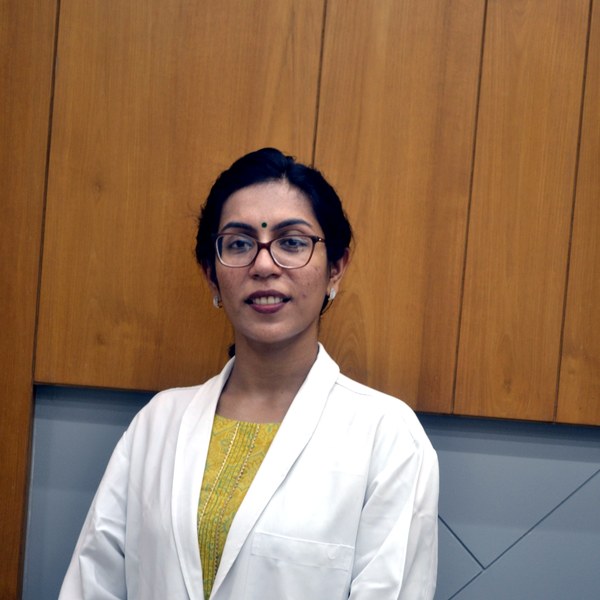
Individualised IVF and fertility planning with honest, evidence-based counselling — and realistic expectations from the very first consultation.
Dr. Priyadatt Patel
Senior Gynecologist · Advanced Laparoscopic Surgeon · IVF and Endometriosis Programme Lead
MS OBGyn · Pregnancy Care · Advanced Gynaecological Ultrasound · Fertility Preservation
ESHRE / ESGE / AAGL / ASRM guideline-aligned practice. 3D Karl Storz precision technique. Fertility-preservation-first philosophy. Evidence-based decisions, honest counselling, long-term outcomes orientation.
323, Satyamev Eminence, Beside Saptak Bungalows & AUDA Water Tank, Science City Road, Sola, Ahmedabad 380060
Open 24 hours (emergencies & labour) · OPD Mon–Sat 11:00–20:00 · +91 97234 31544
Naranpura, Ahmedabad
Mon–Sat 08:30–10:30 · +91 70460 02566