
Laboratory Quality Control and Patient Safety
In short — Quality control in an IVF laboratory covers air quality, temperature and pH stability, equipment calibration, witnessing at every transfer step, and audit of outcomes. These are not visible to patients, but they are among the strongest determinants of whether a cycle works.
IVF outcomes depend critically on laboratory quality control. This page describes the quality systems in place — air handling, equipment monitoring, witnessing protocols, ICMR ART compliance, and continuous improvement — that protect patient gametes and embryos from creation through cryostorage.
1. Air quality management
HEPA-filtered air with positive-pressure clean-room design. Volatile organic compound levels monitored. Carbon filters for outdoor air intake. Temperature and humidity tightly controlled within narrow ranges. Air quality directly affects embryo viability — engineering the environment is foundational to laboratory practice.
2. Incubator monitoring
Continuous temperature, CO2 and pH monitoring with alarm systems. Daily calibration checks. Dual-power backup with uninterruptible power supply. Multiple incubators allow distribution of patient samples — single equipment failure cannot compromise all current cases. Engineered redundancy.
3. Cryostorage integrity
Liquid nitrogen storage tanks with continuous temperature monitoring. Multi-tank distribution so no single failure affects all stored samples. Liquid nitrogen levels monitored with auto-fill or scheduled top-up. Inventory traceability per sample to identify location in any tank at any time.
4. Witness systems
Sample identification at every critical step — gamete collection, fertilisation, embryo culture, biopsy, vitrification, transfer. Dual-witness protocols at sample transfer between containers. Electronic identification per ICMR ART Rules 2022. Mix-ups prevented through engineered protocols, not assumed not to happen.
5. ICMR ART Act compliance
India ICMR ART Act 2021 and ART Rules 2022 set comprehensive standards for facility, personnel, documentation, consent, donor protocols, embryo storage limits, and surrogacy procedures. Our laboratory operates within this framework with full documentation. Registration current.
6. Quality control documentation
Daily QC logs of incubator parameters, gas levels, temperature, equipment status, media batch lot numbers. Investigation of any deviation. Documentation enables retrospective review of any cycle. External audit and accreditation where applicable.
7. Continuous improvement protocols
Patient outcomes monitored for internal quality assurance. Cycles with suboptimal outcomes reviewed for technical or process factors. Embryologist team education ongoing. Protocols updated based on emerging evidence and internal data. Quality is engineered continuously, not declared periodically.
8. Disaster planning
Backup power systems. Multiple cryostorage tanks across separate locations within the facility. Documented emergency response protocols for equipment failure, power loss, fire, natural disaster. Sample insurance considerations. Disaster planning is part of laboratory operations, not an afterthought.
Laboratory quality control
| Control | Purpose |
|---|---|
| Air quality (HEPA / low-VOC) | Embryo safety |
| Incubator monitoring | Stable culture |
| Witnessing (double-check) | Prevents mix-ups |
| KPI tracking | Monitors outcomes |
Our IVF practice follows international reproductive-medicine standards — honest, individualised, no overpromising.
Frequently Asked Questions
How do you prevent sample mix-ups?
What happens if there is a power failure?
How long can my embryos be safely stored?
Is your laboratory audited?
What if my embryos are damaged?
How do I know my embryos are mine?
Are your embryologists licensed and trained?
What is the difference between ART Level 2 and ART Level 2?
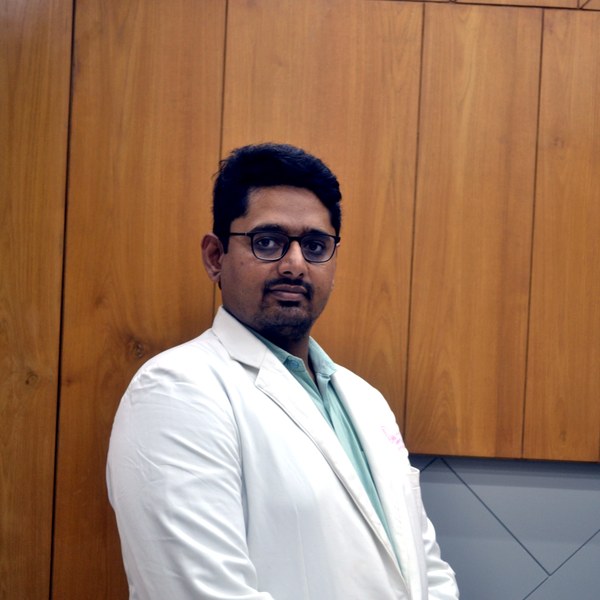
Dr Patel leads fertility care at Balaji Horizon, integrating reproductive surgery and IVF into a single plan — ethical, evidence-based and individualised, with realistic expectations and no overpromising of success.

Individualised IVF and fertility planning with honest, evidence-based counselling — and realistic expectations from the very first consultation.
Dr. Priyadatt Patel
Senior Gynecologist · Advanced Laparoscopic Surgeon · IVF and Endometriosis Programme Lead
MS OBGyn · Pregnancy Care · Advanced Gynaecological Ultrasound · Fertility Preservation
ESHRE / ESGE / AAGL / ASRM guideline-aligned practice. 3D Karl Storz precision technique. Fertility-preservation-first philosophy. Evidence-based decisions, honest counselling, long-term outcomes orientation.
323, Satyamev Eminence, Beside Saptak Bungalows & AUDA Water Tank, Science City Road, Sola, Ahmedabad 380060
Open 24 hours (emergencies & labour) · OPD Mon–Sat 11:00–20:00 · +91 97234 31544
Naranpura, Ahmedabad
Mon–Sat 08:30–10:30 · +91 70460 02566