
Our Approach to IVF — Evidence-Based, Individualised, Honest
In short — Our approach to IVF is individualised and deliberately conservative: the protocol is chosen from ovarian reserve and previous response, stimulation aims at a safe number of good eggs, and the discussion is honest about what a cycle can and cannot achieve. IVF is not advised where a simpler route is reasonable.
IVF is a tool, not a guarantee. Our approach prioritises ESHRE / ASRM aligned protocols, individualised stimulation design, transparent outcome counselling, and recommending against IVF when it is not the right next step. Decisions integrate ovarian reserve, age, fertility history, partner factors and patient values.
1. The first consultation — diagnosis before treatment
IVF is the wrong starting point. The right starting point is comprehensive diagnostic assessment — AMH, antral follicle count, day 2–3 hormone profile, expert pelvic ultrasound, semen analysis, HSG or saline-infusion sonography. Many couples thought to need IVF actually need different intervention. Diagnosis precedes protocol.
2. When IVF is the right answer
Tubal disease (bilateral); severe male factor; failed adequate IUI cycles; severe endometriosis with anatomic distortion; ovulation disorders unresponsive to induction; recurrent pregnancy loss requiring PGT-A; advanced maternal age with limited time; specific genetic indications. IVF chosen for indication, not as default.
3. When IVF is not the right answer
Unexplained infertility under 35 with short duration — try simpler interventions first. Anovulatory PCOS — ovulation induction works for most. Mild male factor — IUI often succeeds. Patient not psychologically or financially ready. Honest counselling against IVF is sometimes the right professional advice.
4. Protocol individualisation
Antagonist protocol for most patients (shorter, lower OHSS risk). Long agonist for endometriosis (improved implantation). Mild stimulation or mini-IVF for poor responders or older women. Ultra-long down-regulation for severe disease in selected cases. Trigger choice (hCG vs GnRH agonist) accounts for OHSS risk. Protocol fits patient, not vice versa.
5. Freeze-all when appropriate
Increasingly preferred over fresh transfer in: high responders to reduce OHSS risk; PCOS patients; severe endometriosis; patients requiring endometrial preparation optimisation; PGT-A cycles. Frozen embryo transfer success rates now equal or exceed fresh in many settings. Decisions made cycle-by-cycle.
6. Single embryo transfer
Single embryo transfer is standard for good-prognosis patients under 38 with high-quality embryos. Reduces twin pregnancy and obstetric complications. Cumulative live birth across multiple frozen transfers is similar to one fresh double-embryo transfer with much lower risk profile. Patient counselling on multiple-pregnancy risks is comprehensive.
7. Transparent outcome counselling
Age-stratified live birth rate per cycle initiated and cumulative per retrieval given in writing at consultation. Individual prognosis based on AMH, AFC, age, prior history, partner factors. Stopping rules discussed proactively. Donor egg, donor sperm, surrogacy presented as legitimate paths when biology indicates.
8. Long-term partnership
IVF is often a multi-cycle programme. Plan emotionally and financially for 2–3 retrievals over 12–18 months. Cycle 1 informs cycle 2 — protocol adjustments, additional investigations, alternative approaches. Most successful pregnancies occur in cycles 2 or 3 across all age groups. Persistence matched to evidence-based prognosis.
Our IVF principles
| Principle | In practice |
|---|---|
| Individualised stimulation | Dose matched to reserve |
| Single embryo transfer | Avoids the risks of twins |
| Honest counselling | Realistic odds |
| Evidence-based add-ons | Only where justified |
Our IVF practice follows international reproductive-medicine standards — honest, individualised, no overpromising.
Frequently Asked Questions
When should I start IVF?
How many IVF cycles should I plan for?
What protocol will I be on?
Will I have fresh or frozen embryo transfer?
How many embryos will be transferred?
Should I do PGT-A?
When should I consider donor gametes?
What if cycle 1 fails?
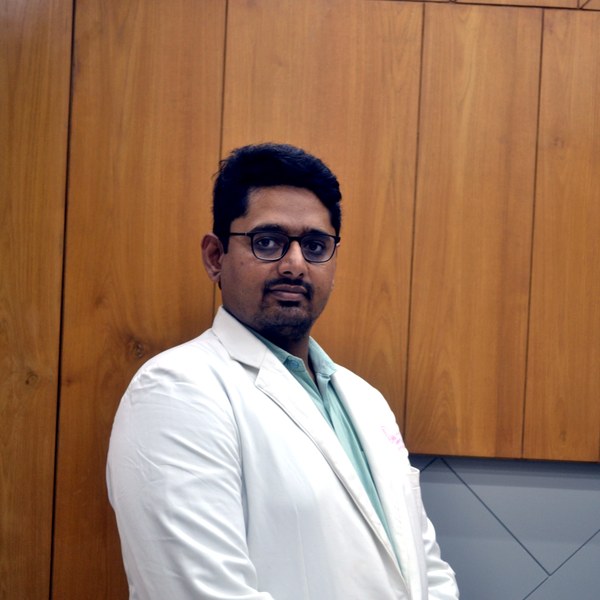
Dr Patel leads fertility care at Balaji Horizon, integrating reproductive surgery and IVF into a single plan — ethical, evidence-based and individualised, with realistic expectations and no overpromising of success.
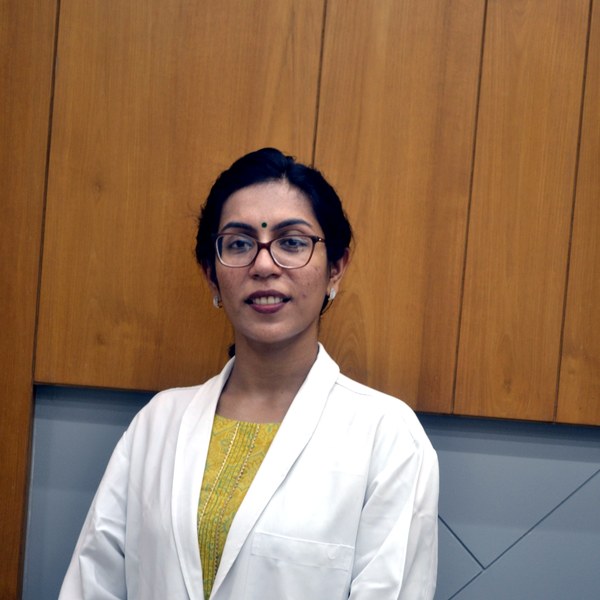
Individualised IVF and fertility planning with honest, evidence-based counselling — and realistic expectations from the very first consultation.
Dr. Priyadatt Patel
Senior Gynecologist · Advanced Laparoscopic Surgeon · IVF and Endometriosis Programme Lead
MS OBGyn · Pregnancy Care · Advanced Gynaecological Ultrasound · Fertility Preservation
ESHRE / ESGE / AAGL / ASRM guideline-aligned practice. 3D Karl Storz precision technique. Fertility-preservation-first philosophy. Evidence-based decisions, honest counselling, long-term outcomes orientation.
323, Satyamev Eminence, Beside Saptak Bungalows & AUDA Water Tank, Science City Road, Sola, Ahmedabad 380060
Open 24 hours (emergencies & labour) · OPD Mon–Sat 11:00–20:00 · +91 97234 31544
Naranpura, Ahmedabad
Mon–Sat 08:30–10:30 · +91 70460 02566