
Preparing for IVF — The 90-Day Optimisation Window
In short — Preparing for an IVF cycle covers the three months before it starts: completing investigations, optimising thyroid and vitamin D, stopping smoking, and planning time around retrieval and transfer. Preparation does not change ovarian reserve, but it removes avoidable obstacles.
Oocyte folliculogenesis takes approximately 90 days from primordial follicle to ovulation. The lifestyle choices, nutritional intake and clinical optimisations made today directly influence the eggs retrieved three months from now. This page lays out the evidence-based pre-IVF preparation protocol followed at Balaji Horizon.
1. Why 90 days matter
Folliculogenesis — the development of an immature follicle into a mature ovulatory follicle — takes around 85–90 days. The follicles being recruited for your IVF stimulation today are responding to your current internal environment. Optimising that environment for 3 months before stimulation has measurable impact on oocyte quality, fertilisation rate and embryo development.
2. Weight optimisation
BMI in the 20–28 range supports evidence-based IVF outcomes. Overweight (BMI >30) and underweight (BMI <19) both reduce success. For overweight patients, even 5–10 percent weight loss restores ovulation, improves stimulation response and raises live birth rates. Crash dieting in the 3 months before stimulation is counterproductive; sustainable Mediterranean-pattern eating is the goal.
3. Smoking cessation — non-negotiable
Smoking accelerates ovarian aging. Smokers reach menopause 1–2 years earlier than non-smokers and have measurably worse IVF outcomes — live birth rates approximately 30 percent lower per cycle. Complete cessation 3 months pre-cycle is essential. Partner smoking also impairs sperm DNA integrity and should stop equally.
4. Alcohol moderation
Heavy alcohol (more than 7 standard units weekly) reduces IVF success by 20–30 percent. Modest intake is unlikely to substantially harm, but eliminating alcohol during stimulation and for both partners during pre-IVF optimisation is sensible. Partner alcohol consumption directly affects sperm DNA fragmentation.
5. Folate and key supplements
Folate 400–800 mcg daily starting 3 months pre-conception. Vitamin D — correct any deficiency (target serum level 30–50 ng/ml). Iodine adequacy critical for fetal brain development. Omega-3 (DHA 200–300 mg daily) from fatty fish or supplement. CoQ10 (200–600 mg daily) — emerging evidence for mitochondrial support in older oocytes and poor responders. Avoid proprietary “fertility blends” without evidence.
6. Sleep and circadian regularity
Chronic sleep deprivation disrupts reproductive hormones and impairs IVF outcomes. Aim for 7–8 hours nightly with consistent timing. Treating sleep apnoea (often coexisting with obesity) makes measurable difference. Avoid alcohol as sleep aid — it worsens architecture even when it speeds onset.
7. Exercise — moderate, not extreme
Moderate regular exercise (30–60 minutes most days) improves IVF outcomes through weight management, insulin sensitivity, mood and inflammation reduction. Excessive endurance exercise (over 7 hours of vigorous activity weekly) impairs fertility through HPA-axis suppression. Strength training plus cardio in balance is ideal.
8. Pre-cycle investigations
By the time stimulation starts, the following must be complete: full pelvic ultrasound with AFC, AMH, day 2–3 hormone profile (FSH, LH, estradiol, TSH, prolactin), HIV/HBV/HCV/VDRL for both partners, partner semen analysis (repeated if abnormal), HSG or saline-infusion sonography for tubal patency, vitamin D, thyroid antibodies, hemoglobinopathy screening. Genetic carrier screening in selected cases. Hysteroscopy if cavity assessment indicated.
Preparing for IVF
| Area | Action |
|---|---|
| Health | Folic acid, weight, stop smoking |
| Documents | Prior reports, consents |
| Mindset | Realistic expectations |
Our IVF practice follows international reproductive-medicine standards.
Frequently Asked Questions
How long should I prepare before IVF?
What is the single most important pre-IVF change?
Will lifestyle changes guarantee IVF success?
Should I take supplements?
Can I exercise during pre-IVF?
Does my partner need to prepare too?
When should I stop alcohol?
What if I cannot complete all the changes?
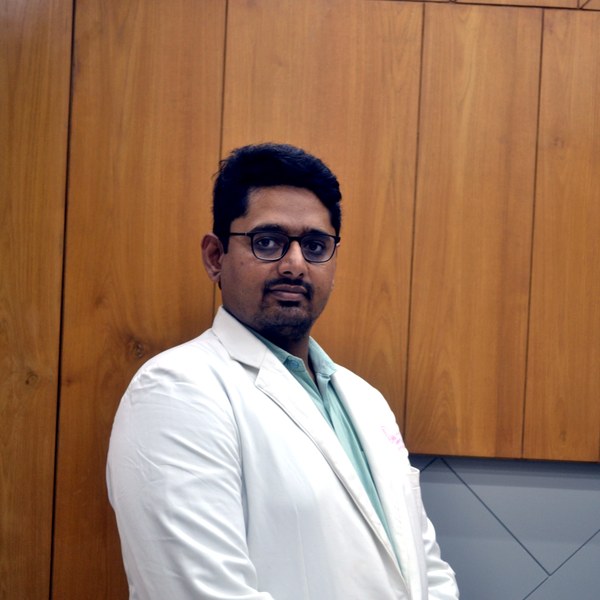
Dr Patel leads fertility care at Balaji Horizon, integrating reproductive surgery and IVF into a single plan — ethical, evidence-based and individualised, with realistic expectations and no overpromising of success.
Individualised IVF and fertility planning with honest, evidence-based counselling — and realistic expectations from the very first consultation.
Pre-conception readiness checklist
Simple, evidence-based steps that improve the chance of a healthy pregnancy — ideally started 3 months before trying. Tick what you have done.
Dr. Priyadatt Patel
Senior Gynecologist · Advanced Laparoscopic Surgeon · IVF and Endometriosis Programme Lead
MS OBGyn · Pregnancy Care · Advanced Gynaecological Ultrasound · Fertility Preservation
ESHRE / ESGE / AAGL / ASRM guideline-aligned practice. 3D Karl Storz precision technique. Fertility-preservation-first philosophy. Evidence-based decisions, honest counselling, long-term outcomes orientation.
323, Satyamev Eminence, Beside Saptak Bungalows & AUDA Water Tank, Science City Road, Sola, Ahmedabad 380060
Open 24 hours (emergencies & labour) · OPD Mon–Sat 11:00–20:00 · +91 97234 31544
Naranpura, Ahmedabad
Mon–Sat 08:30–10:30 · +91 70460 02566
Planning ahead? See our IVF cost guide for what shapes the cost of a cycle and how your individual estimate is prepared.