
IVF Centre in Ahmedabad — Balaji Horizon Women’s Hospital
In short — Balaji Horizon is a women’s hospital in Ahmedabad where IVF sits alongside advanced endometriosis and laparoscopic surgery. That matters when endometriosis, pelvic pain or previous surgery is part of the picture, because the real question is often sequencing rather than simply starting IVF. Treatment is individualised, and IVF is not advised when a simpler route is reasonable.
Balaji Horizon Women’s Hospital operates a dedicated IVF centre on Science City Road, Ahmedabad — a specialist reproductive medicine programme built around one principle: fertility care should begin with an accurate diagnosis, not a protocol. Led by Dr. Priyadatt Patel (Senior Gynecologist · Advanced Laparoscopic Surgeon · IVF and Endometriosis Programme Lead), our IVF centre combines 3D laparoscopic surgical expertise, advanced reproductive endocrinology, ESHRE-aligned stimulation protocols, and dedicated embryology — under one roof, for one patient at a time.
If you have been trying to conceive without success, experienced IVF failure elsewhere, or carry a diagnosis of endometriosis, adenomyosis, PCOS, or low ovarian reserve — this page will help you understand exactly how we approach your care, what investigations we recommend, and when IVF is — and is not — the right next step.
What Makes Balaji Horizon Different as an IVF Centre in Ahmedabad
Ahmedabad has no shortage of IVF centres. What is genuinely rare is a programme where the IVF specialist is also a trained advanced laparoscopic surgeon with a dedicated focus on endometriosis — the most common missed diagnosis underlying female infertility in India. Most IVF centres in Ahmedabad refer complex surgical cases elsewhere, then receive the patient back for IVF. At Balaji Horizon, that separation does not exist.
Surgical and Reproductive Medicine — Integrated
Dr. Priyadatt Patel is trained in both 3D advanced laparoscopic gynaecological surgery and reproductive medicine. When a patient with endometriosis comes to our IVF centre, we do not need to “send her for surgery” and then “start IVF later.” We evaluate, plan, and where necessary, operate and then transfer — with the same clinical mind managing both decisions. This integration is particularly important for patients with endometriomas, hydrosalpinx, Asherman’s syndrome, uterine septum, or deep infiltrating endometriosis.
ESHRE and ASRM Guideline Adherence
Our protocols are built from the evidence base published by ESHRE (European Society of Human Reproduction and Embryology), ASRM (American Society for Reproductive Medicine), and FIGO. We apply updated stimulation guidelines, evidence-based trigger decisions, luteal phase support protocols, and embryo transfer policies — including single embryo transfer in appropriate cases to reduce multiple pregnancy risk. We do not follow institutional habit or outdated convention.
Honest Counselling on Outcomes
We do not quote optimistic, unverified success rates to attract patients. IVF success depends on age, ovarian reserve, embryo quality, uterine receptivity, and the underlying diagnosis. After your initial assessment, we give you a realistic, individualised probability estimate — including a frank discussion of when donor egg IVF or surrogacy becomes a more appropriate path. Informed patients make better decisions, and better decisions lead to better outcomes.
IVF Services at Our Ahmedabad Centre
Our IVF centre on Science City Road provides a comprehensive range of assisted reproductive treatments. Each is described below with the clinical context in which it is indicated:
In Vitro Fertilisation (IVF)
Standard IVF involves controlled ovarian hyperstimulation using gonadotrophins, egg retrieval under transvaginal ultrasound-guided aspiration, laboratory fertilisation, embryo culture for 3–5 days, and transfer of a selected embryo into the prepared uterine cavity. We use antagonist protocols as first-line for most patients, with agonist (long) protocols reserved for specific clinical scenarios. Stimulation is monitored with serial transvaginal ultrasound and serum oestradiol measurements to ensure safety and optimise egg yield.
Intracytoplasmic Sperm Injection (ICSI)
ICSI is indicated when semen parameters are significantly abnormal (low count, poor motility, high DNA fragmentation), when prior IVF cycles showed poor or failed fertilisation, or when surgically retrieved sperm is used. A single sperm is injected directly into each mature egg under high magnification. ICSI does not replace the need for good sperm DNA quality — we always review a detailed semen analysis and, where indicated, sperm DNA fragmentation testing before recommending ICSI alone versus additional interventions.
Frozen Embryo Transfer (FET)
Excess embryos from a stimulation cycle are vitrified (rapidly frozen) and stored for future transfer. FET allows transfer in a subsequent cycle after optimising the endometrium — important in women with thin endometrium, elevated progesterone at the time of egg retrieval, or risk of OHSS (ovarian hyperstimulation syndrome). Endometrial preparation for FET uses either natural cycle monitoring or hormone replacement therapy (HRT) protocols, depending on the patient’s ovulatory status and uterine characteristics.
IVF for Endometriosis — Integrated Pathway
This is a specialty focus at Balaji Horizon. Endometriosis affects an estimated 30–50% of women with infertility. The decision of whether to operate on an endometrioma before IVF, proceed directly to IVF, or combine medical downregulation (GnRH agonist) with IVF is complex and must be individualised. Our integrated pathway reviews the ESHRE endometriosis guidelines (2022), considers the patient’s ovarian reserve carefully (cystectomy carries a documented risk of reducing AMH and antral follicle count), and makes a joint decision with the patient. See our detailed guide: IVF and endometriosis — when to operate, when to proceed →
Fertility Preservation — Egg and Embryo Freezing
Fertility preservation is recommended for women undergoing chemotherapy, pelvic radiation, or surgery that may compromise ovarian function — including cystectomy for large bilateral endometriomas. We also offer elective egg freezing for women who wish to delay childbearing. Vitrification (flash-freezing) is the current gold standard for egg and embryo cryopreservation, with survival rates above 90% in modern centres. Learn more: Fertility preservation at Balaji Horizon →
Donor Egg IVF
Indicated for women with premature ovarian insufficiency (POI), severely diminished ovarian reserve (AMH below 0.5 ng/mL with poor response to stimulation), advanced maternal age with repeated IVF failure, or genetic conditions where using one’s own eggs is not advisable. Donor egg IVF significantly improves success rates in appropriately selected patients — the pregnancy rate per transfer is driven primarily by donor age and uterine receptivity. We counsel patients thoroughly on the medical, legal, ethical, and psychological aspects of this pathway before proceeding.
Intrauterine Insemination (IUI)
IUI is a simpler, less invasive procedure — sperm is prepared and introduced directly into the uterine cavity at the time of ovulation. It is appropriate for mild male factor infertility, cervical factor infertility, or unexplained infertility in younger women with patent tubes and adequate ovarian reserve. IUI is not appropriate for significant tubal disease, severe male factor, or poor ovarian reserve — and we will counsel accordingly rather than recommend multiple IUI cycles unnecessarily when IVF is clearly indicated.
Hysteroscopy Before IVF
The uterine cavity is the final destination of the embryo. Submucosal fibroids, endometrial polyps, uterine septa, intrauterine adhesions (Asherman’s syndrome), and chronic endometritis can all reduce implantation rates significantly. We recommend diagnostic or operative hysteroscopy before IVF for women with a history of recurrent implantation failure, prior uterine surgery, abnormal uterine shape on ultrasound, or suspected intrauterine pathology. This is done as a minimally invasive procedure, typically under short general anaesthesia or light sedation.
The IVF Process at Balaji Horizon — Step by Step
Understanding what to expect removes anxiety and helps patients participate meaningfully in their care. Here is how IVF works at our centre:
Step 1 — Initial Fertility Consultation
Your first appointment with Dr. Priyadatt Patel involves a detailed review of your medical history, previous investigations, prior pregnancies, and treatment attempts. A baseline transvaginal ultrasound is performed to assess antral follicle count, uterine morphology, and ovarian anatomy. We review any prior reports and identify gaps in the diagnostic workup before prescribing any treatment.
Step 2 — Diagnostic Workup
Before recommending IVF, we ensure the following assessments are complete: AMH (anti-Müllerian hormone) and Day 2–3 FSH/LH/E2, semen analysis with DNA fragmentation index if indicated, uterine cavity assessment (sonohysterography or hysteroscopy), tubal patency where relevant (HSG or diagnostic laparoscopy), and thyroid function, prolactin, fasting insulin, and glucose where clinically suggested. This workup allows us to identify correctable factors before embarking on IVF.
Step 3 — Protocol Planning and Pre-Cycle Preparation
Your stimulation protocol is designed based on your age, AMH, antral follicle count, body weight, and any prior IVF history. Women with endometriosis often benefit from a period of GnRH agonist downregulation (2–3 months) before stimulation — a strategy supported by ESHRE evidence to improve IVF outcomes in Stage III–IV disease. Women with PCOS receive protocols designed to avoid ovarian hyperstimulation syndrome (OHSS).
Step 4 — Ovarian Stimulation and Monitoring
Gonadotrophin injections begin on Day 2 or 3 of the menstrual cycle. Serial monitoring ultrasounds (typically 3–4 scans over 10–12 days) and serum oestradiol measurements track follicle development and guide dose adjustments. The trigger injection (hCG or GnRH agonist trigger, chosen based on OHSS risk) is administered when leading follicles reach 17–18 mm.
Step 5 — Egg Retrieval (Oocyte Pick-Up)
Egg retrieval is performed under transvaginal ultrasound guidance, 34–36 hours after the trigger injection, under IV sedation or short general anaesthesia. It is a day procedure lasting 20–30 minutes. Retrieved eggs are immediately handed to the embryologist for assessment and preparation for fertilisation.
Step 6 — Fertilisation and Embryo Culture
Mature eggs are fertilised using conventional IVF insemination or ICSI. Fertilisation is checked at 16–18 hours. Embryos are cultured to Day 3 (cleavage stage) or Day 5–6 (blastocyst stage). Blastocyst transfer is preferred where possible, as it allows better embryo selection and higher implantation rates per transfer. Excess good-quality blastocysts are vitrified.
Step 7 — Embryo Transfer
Embryo transfer is a simple, usually painless procedure — a thin catheter is passed through the cervix into the uterine cavity under abdominal ultrasound guidance, and the selected embryo is deposited at the optimal site. We follow a single embryo transfer policy in most cases under 38 years of age with good quality blastocysts, in line with ESHRE recommendations to minimise twin pregnancy risk.
Step 8 — Luteal Phase Support and Pregnancy Test
Progesterone supplementation (vaginal pessaries or intramuscular injection) is prescribed from the day of egg retrieval or transfer to support the luteal phase and early implantation. A serum beta-hCG pregnancy test is performed 12–14 days after embryo transfer. A positive result is followed by serial hCG measurements and an early ultrasound at 6–7 weeks to confirm intrauterine pregnancy and fetal cardiac activity.
IVF for Specific Conditions — How We Approach Each
IVF with Endometriosis
Endometriosis reduces fertility through multiple mechanisms: inflammatory cytokines in the peritoneal fluid that impair egg and embryo quality, endometriomas that reduce the functional ovarian cortex, adhesions that impair tubal function, and adenomyosis that affects endometrial receptivity. Our approach follows ESHRE endometriosis management guidelines (2022) and prioritises the balance between treating the disease and protecting ovarian reserve. Pre-IVF GnRH agonist suppression for 2–3 months is used selectively in Stage III–IV disease. Endometrioma cystectomy before IVF is considered carefully — the risk of irreversible AMH reduction must be weighed against the benefit of cyst removal. We discuss this calculus explicitly with each patient.
IVF with PCOS
Women with polycystic ovary syndrome (PCOS) respond vigorously to ovarian stimulation and are at higher risk of ovarian hyperstimulation syndrome (OHSS). We use low-dose gonadotrophin stimulation, GnRH antagonist protocols, and GnRH agonist trigger (instead of hCG) in high-risk cycles to virtually eliminate severe OHSS — followed by a freeze-all strategy with frozen embryo transfer in a subsequent cycle. Metformin pre-treatment is considered in insulin-resistant PCOS. The outcome for PCOS patients who respond to stimulation is generally favourable — the challenge is stimulation safety, not egg or embryo quality.
IVF with Low Ovarian Reserve (Low AMH)
Diminished ovarian reserve (DOR) is one of the most challenging IVF scenarios. Women with AMH below 1.0 ng/mL and AFC below 5–6 produce fewer eggs per cycle, with reduced cumulative success rates. We use maximal stimulation doses, shorter antagonist protocols, and dual-trigger strategies to optimise egg yield. We counsel honestly: in women with very low reserve (AMH below 0.5), cumulative live birth rates across multiple cycles are substantially lower than in normo-responders, and at a certain threshold, donor egg IVF offers significantly better outcomes. We help patients navigate this decision with accurate data, not false optimism.
IVF with Male Factor Infertility
Mild-moderate male factor infertility is addressed with ICSI. Severe oligospermia or azoospermia may require surgical sperm retrieval — TESA (testicular sperm aspiration) or TESE (testicular sperm extraction) — which we coordinate with a urologist-andrologist. Sperm DNA fragmentation testing is recommended in men with recurrent IVF failure, recurrent miscarriage, or significant abnormalities in standard semen parameters. High fragmentation indices may influence the decision to use TESA-sperm (testicular sperm) even in men who produce ejaculated sperm, as testicular sperm typically carries lower fragmentation.
Recurrent IVF Failure
Defined as three or more failed transfers of good-quality embryos. Before recommending further IVF at our centre, we conduct a structured review: uterine cavity reassessment (hysteroscopy), thrombophilia and immunological panel, endometrial receptivity evaluation (ERA biopsy where indicated), sperm DNA fragmentation, and a detailed review of previous stimulation response and embryo development. Many cases of recurrent IVF failure have identifiable and correctable factors — the problem is that many centres simply repeat the same protocol without investigation.
Investigations Before Starting IVF — What We Need
The following investigations are typically required before we can plan an IVF cycle. Some may already be available from prior consultations:
For the Female Partner
- AMH (anti-Müllerian hormone) — ovarian reserve marker
- Day 2–3 FSH, LH, oestradiol — baseline hormones
- Thyroid stimulating hormone (TSH) — thyroid function
- Prolactin — hyperprolactinaemia can suppress ovulation and implantation
- Fasting insulin and glucose (HbA1c if PCOS or diabetes suspected)
- Transvaginal ultrasound — antral follicle count, uterine assessment
- Uterine cavity assessment — sonohysterography or hysteroscopy
- Tubal evaluation — hysterosalpingography (HSG) or laparoscopy if clinically indicated
- Blood group, Rh factor, CBC, renal and liver function
- Infectious disease screen — HIV, HBsAg, HCV, VDRL (as per ICMR ART guidelines)
For the Male Partner
- Semen analysis (WHO 2021 criteria) — count, motility, morphology
- Sperm DNA fragmentation index (DFI) — if indicated
- Blood group, Rh factor
- Infectious disease screen — HIV, HBsAg, HCV
- Hormonal evaluation (FSH, LH, testosterone) — in azoospermia or severe oligospermia
- Karyotype and Y-chromosome microdeletion — in non-obstructive azoospermia
Meet Your IVF Specialist — Dr. Priyadatt Patel
Dr. Priyadatt Patel — Senior Gynecologist · Advanced Laparoscopic Surgeon · IVF and Endometriosis Programme Lead, Balaji Horizon Women’s Hospital, Ahmedabad
Dr. Patel is one of a small number of gynecologists in Gujarat who combine fellowship-level advanced laparoscopic surgery with a dedicated reproductive medicine programme. His clinical philosophy is rooted in three principles: accurate diagnosis before treatment, fertility preservation as a primary surgical outcome measure, and evidence-based fertility management aligned with ESHRE, ASRM, and FIGO guidelines.
His published work includes a case report in IJRCOG (2023) and a peer-reviewed surgical video with WebSurg/IRCAD (Strasbourg) — one of the world’s leading laparoscopic surgery platforms. He practices at Balaji Horizon Women’s Hospital, Science City Road, Ahmedabad, and at the AEC Clinic, Naranpura.
Patients considering IVF after a complex surgical history, or those who have had repeated IVF failure, are encouraged to book a dedicated second opinion consultation →
What to look for in an IVF centre
| Factor | Why it matters |
|---|---|
| Embryology lab quality | Drives outcomes |
| Honest success reporting | Trust |
| Individualised protocols | Better fit for you |
| Ethical counselling | No overpromising |
Our IVF practice follows international reproductive-medicine standards — honest, individualised, no overpromising.
Frequently Asked Questions — IVF Centre Ahmedabad
What is the IVF success rate at Balaji Horizon?
We do not quote a single IVF success rate because it would be clinically misleading. Live birth rate per transfer varies dramatically based on age (a 30-year-old with normal reserve has a very different prognosis than a 42-year-old with DOR), ovarian reserve, embryo quality, and underlying diagnosis. After your initial assessment, Dr. Patel will give you an individualised estimate based on your specific clinical profile — including how many cycles of IVF, statistically, are reasonable to attempt before reassessing the pathway.
Do I need laparoscopy before IVF if I have endometriosis?
Not always — this is one of the most frequently mismanaged decisions in fertility medicine. For endometriomas under 3–4 cm in women with good ovarian reserve and no severe pelvic adhesions, proceeding directly to IVF is supported by current ESHRE evidence. Cystectomy carries a documented risk of reducing AMH by 30–40% in some studies — a loss that may be permanent. However, for very large endometriomas (above 5–6 cm), severe adhesions blocking embryo transfer access, or significant pain symptoms, surgery may be warranted. This is an individualised decision that we discuss explicitly, using your ovarian reserve measurements as a key factor.
How many IVF cycles should I plan for?
ESHRE data on cumulative live birth rates suggests that most successful IVF outcomes occur within three to four complete cycles (including all frozen transfers from one stimulation). After three unsuccessful cycles with good embryo quality and adequate endometrial preparation, a structured clinical review is warranted before continuing. Repeating the same protocol after three failures without investigation is rarely productive.
Is a freeze-all strategy better than a fresh transfer?
Not universally — but in specific situations, yes. Freeze-all (vitrifying all embryos and transferring in a subsequent FET cycle) is preferred when: progesterone rises prematurely on the day of trigger (affecting endometrial receptivity), there is OHSS risk (particularly in PCOS patients), endometrial thickness is suboptimal at the time of retrieval, or the patient has endometriosis where a rest cycle with GnRH agonist before transfer may improve implantation. In normo-responders with a good endometrium, fresh transfer remains appropriate.
Can I do IVF if my AMH is very low?
Yes, IVF is possible with low AMH, but realistic counselling is essential. Women with AMH below 1.0 ng/mL typically produce fewer eggs per cycle. Cumulative success rates across multiple cycles are lower than in normo-responders. However, egg quality is not solely determined by AMH — a 32-year-old with AMH of 0.7 may produce fewer eggs but still excellent quality embryos. Women with very low AMH (below 0.3–0.5 ng/mL) should have a frank conversation about donor egg IVF as an alternative that offers substantially higher success rates.
What is the difference between IVF and ICSI?
IVF involves placing prepared sperm around each mature egg in a culture dish and allowing natural fertilisation to occur. ICSI involves injecting a single sperm directly into the egg using a micromanipulation needle. ICSI is used when sperm parameters are significantly abnormal, when prior IVF cycles showed low or failed fertilisation, or when surgically retrieved sperm is used. The embryo development and transfer process after fertilisation is identical in both.
What lifestyle changes improve IVF outcomes?
Evidence supports the following: maintaining a BMI between 19–29 (both underweight and obesity reduce IVF success rates), stopping smoking at least 3 months before IVF (smoking accelerates ovarian ageing and reduces egg quality), limiting alcohol, ensuring adequate folic acid supplementation (5 mg/day pre-conception), managing thyroid disorders and diabetes optimally, and reducing extreme physical or emotional stress in the peri-transfer period. Dietary patterns (Mediterranean diet) show some association with better ART outcomes in observational studies, though RCT evidence is limited. We discuss lifestyle optimisation at the first consultation.
Is IVF covered under health insurance in India?
As of 2024, most standard health insurance policies in India do not routinely cover IVF treatment. Some newer policies and corporate group health plans include limited ART coverage. We recommend checking your policy documents specifically for ART/infertility exclusions. Our billing team can provide detailed cost estimates and documentation to support any insurance pre-authorisation requests.
Where is your IVF centre located in Ahmedabad?
Balaji Horizon Women’s Hospital — IVF Centre is located at 323, Satyamev Eminence, Beside Saptak Bungalows & AUDA Water Tank, Science City Road, Sola, Ahmedabad 380060. Hospital contact: +91 97234 31544. We are conveniently located for patients from Sola, Gota, Thaltej, Bopal, Sarkhej, and central Ahmedabad. A second consultation clinic is available at 132 Ft Ring Road, Naranpura, Ahmedabad 380013: +91 70460 02566.
Related Services at Balaji Horizon
- Endometriosis diagnosis and management →
- IVF for endometriosis-related infertility →
- Fertility preservation — egg and embryo freezing →
- Second opinion before surgery or IVF →
- Fetal medicine and prenatal care →
Consult Dr. Priyadatt Patel — IVF Centre, Ahmedabad
Whether you are starting your fertility journey, considering IVF for the first time, or seeking a second opinion after treatment elsewhere — we welcome you to a consultation at Balaji Horizon. Bring your previous reports, investigations, and treatment records. We will review everything, explain your options honestly, and build a plan that reflects your clinical reality — not a template.
Hospital: 323, Satyamev Eminence, Beside Saptak Bungalows & AUDA Water Tank, Science City Road, Sola, Ahmedabad 380060 · +91 97234 31544
Clinic: 132 Ft Ring Road, Naranpura, Ahmedabad 380013 · +91 70460 02566
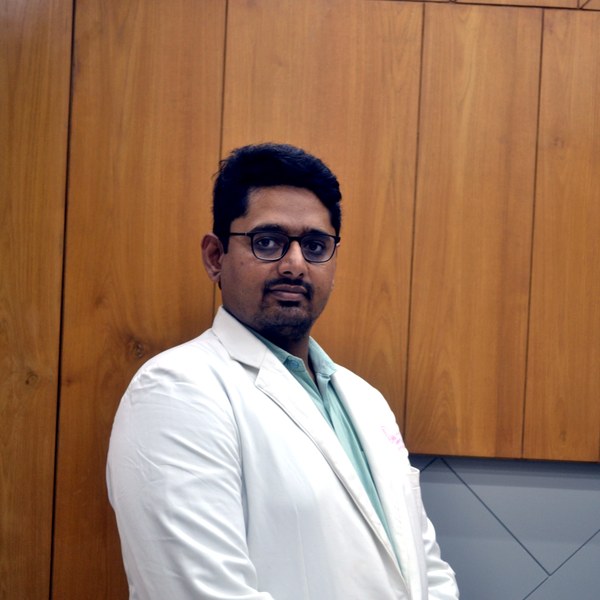
Dr Patel leads fertility care at Balaji Horizon, integrating reproductive surgery and IVF into a single plan — ethical, evidence-based and individualised, with realistic expectations and no overpromising of success.
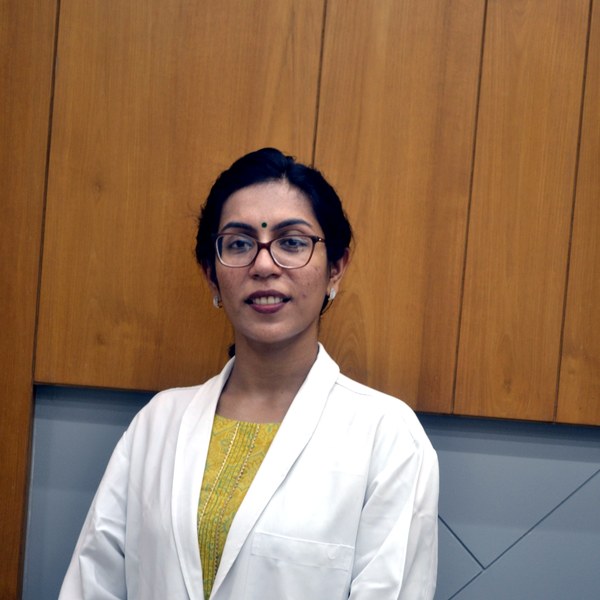
Individualised IVF and fertility planning with honest, evidence-based counselling — and realistic expectations from the very first consultation.
Book a consultationRelated reading: IVF success rates — an honest guide to what the numbers mean.
Related: Planning a baby? See our maternity hospital in Ahmedabad — specialist-led pregnancy and delivery care.
Dr. Priyadatt Patel
MS OBGyn · Pregnancy Care · Advanced Gynaecological Ultrasound · Fertility Preservation
ESHRE / ESGE / AAGL / ASRM guideline-aligned practice. 3D Karl Storz precision technique. Fertility-preservation-first philosophy. Evidence-based decisions, honest counselling, long-term outcomes orientation.
323, Satyamev Eminence, Beside Saptak Bungalows & AUDA Water Tank, Science City Road, Sola, Ahmedabad 380060
Open 24 hours (emergencies & labour) · OPD Mon–Sat 11:00–20:00 · +91 97234 31544
Naranpura, Ahmedabad
Mon–Sat 08:30–10:30 · +91 70460 02566