
1. The young adult perspective
Most women diagnosed with endometriosis are in their 20s–30s. Decisions made now shape: fertility outcomes 5–15 years from now, surgical history that compounds across decades, hormonal medication tolerance long-term, career trajectories disrupted by pain, intimate relationships affected by dyspareunia. Fertility-preservation-first thinking matters most in this group.
2. Diagnosis timing
Diagnostic delay of 7–10 years means many young women diagnosed in late 20s/early 30s after years of unrecognised disease. Some learn after struggling to conceive. Earlier recognition (from school years onwards) transforms outcomes. Specialist referral for any persistent severe dysmenorrhoea is justified.
3. Pain management strategy
Long-term hormonal suppression — continuous combined OCP, dienogest, Mirena IUS, or GnRH agonists/antagonists with add-back depending on severity. Aim — sustainable symptom control with minimal side effects. Switching agents is common as life circumstances change. Surgery reserved for specific indications.
4. Fertility-first decisions
AMH baseline in any young woman with endometriosis. Discussion of fertility plans at every consultation. Egg freezing for women planning to delay pregnancy or before major ovarian surgery. Consideration of pregnancy timing before disease progression. Honest counselling — endometriosis is a fertility risk factor; planning matters.
5. Ovarian reserve protection
Avoid unnecessary ovarian surgery. AMH measured before any planned operation. Conservative ovarian cystectomy technique. Long-term hormonal suppression prevents endometrioma growth. Repeated surgeries devastate ovarian reserve in young women — the bar for repeat surgery must be high.
6. Career and life integration
Workplace accommodations for symptomatic days. Pacing strategies for chronic pain. Career planning that accounts for fertility timeline. Honest conversation with partners about disease and treatment. Mental health support for the emotional burden of chronic disease in productive years.
7. Surgery decisions
When warranted: excisional surgery with 3D Karl Storz precision. Conservative ovarian preservation. Fertility-friendly bowel/bladder approach. Single comprehensive operation rather than serial limited ones. Recovery time scheduled around career and life commitments. Realistic expectations — surgery is not a cure.
8. Long-term partnership
Endometriosis is decades-long. The same specialist relationship through 20s, 30s, fertility journey, pregnancy, postnatal, perimenopause is ideal. Continuity allows informed decisions. Open access for symptom changes. Annual review minimum. Care evolves with life stages.
Fertility-first priorities in your 20s–30s
| Priority | Why |
|---|---|
| Early diagnosis | Limits years of pain |
| Ovarian reserve check (AMH/AFC) | Guides timing |
| Conservative, reserve-sparing surgery | Protects future fertility |
| Fertility preservation | An option if reserve is at risk |
Aligned with current international evidence, not habit.
Frequently Asked Questions
Should I start trying to conceive earlier because of endometriosis?
Will hormonal treatment now affect future fertility?
Should I freeze eggs?
How does endometriosis affect career?
Will I be in pain forever?
Can I delay pregnancy if I have endometriosis?
What about relationships and intimacy?
When should I have my first specialist consultation?
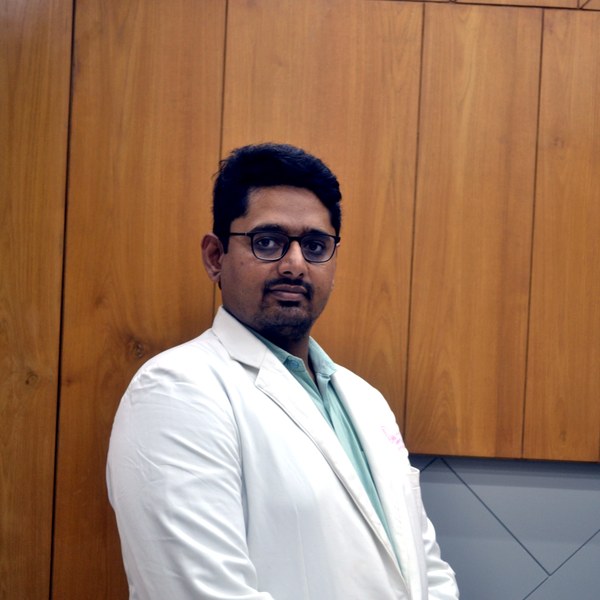
Dr Patel leads endometriosis diagnosis and surgery at Balaji Horizon with an evidence-based, ovarian-sparing philosophy aligned to ESHRE and ESGE — integrating pain, fertility and long-term disease control into a single plan, rather than treating the disease in isolation.
Imaging-led diagnosis, medical-first management, and precise surgery only when it is the right step — planned around your pain and fertility goals.
Dr. Priyadatt Patel
Senior Gynecologist · Advanced Laparoscopic Surgeon · IVF and Endometriosis Programme Lead
MS OBGyn · Pregnancy Care · Advanced Gynaecological Ultrasound · Fertility Preservation
ESHRE / ESGE / AAGL / ASRM guideline-aligned practice. 3D Karl Storz precision technique. Fertility-preservation-first philosophy. Evidence-based decisions, honest counselling, long-term outcomes orientation.
Science City Road, Ahmedabad 380060
Mon–Sat 11:00–20:00 · +91 97234 31544
Naranpura, Ahmedabad
Mon–Sat 08:30–10:30 · +91 70460 02566