
Chronic Pelvic Pain — A Systematic Diagnostic Approach
Chronic pelvic pain (CPP) lasting >6 months affects 15-20% of women. The cause is often multi-factorial — endometriosis, adenomyosis, adhesions, fibroids, pelvic floor dysfunction, IBS, interstitial cystitis, or neuropathic pain. A systematic workup is essential. Pain that seems “unexplained” almost always has a finable cause when looked at properly.
Common Causes
Gynaecological: endometriosis (most common — 30-50% of CPP patients), adenomyosis, chronic PID, ovarian remnant syndrome, pelvic congestion syndrome. Non-gynaecological: irritable bowel syndrome, interstitial cystitis/painful bladder, pelvic floor dysfunction, myofascial pain, nerve entrapment, fibromyalgia. Often multiple causes coexist.
The Diagnostic Workup
Detailed pain history (timing, character, triggers, what relieves), pelvic examination, transvaginal ultrasound (look for endometriomas, adenomyosis, fibroids, hydrosalpinx), MRI for deep infiltrating endometriosis suspicion, urinalysis, bowel symptoms enquiry. Diagnostic laparoscopy when imaging is normal but suspicion remains high.
Endometriosis — The Most Common Cause
Often missed for years. Cyclical worsening, dysmenorrhoea, dyspareunia, dyschezia are clues. Transvaginal ultrasound by trained sonographer (IDEA protocol) finds most cases without laparoscopy. Treatment depends on phenotype + fertility goals. Endometriosis programme →
Adenomyosis
Endometrial tissue in the uterine wall. Heavy bleeding, severe dysmenorrhoea, enlarged tender uterus, deep dyspareunia. Diagnosis: ultrasound or MRI. Treatment: medical (LNG-IUS often dramatic improvement), conservative surgery in select cases, hysterectomy for completed family.
Non-Gynaecological Contributors
Pelvic floor dysfunction — trigger points in pelvic floor muscles. IBS — bowel-related cramping. Interstitial cystitis — bladder pain with urinary symptoms. Nerve entrapment — pudendal neuralgia. These often coexist with endometriosis and need targeted treatment.
Causes of chronic pelvic pain
| Cause | Clue |
|---|---|
| Endometriosis | Cyclical pain |
| Adenomyosis | Heavy bleeding |
| Adhesions | Prior surgery |
| Pelvic floor | Muscular pain |
| Non-gynae (IBS, bladder) | Symptom overlap |
Frequently Asked Questions
Why does no one find the cause of my pain?
Most pelvic pain has a cause — but finding it requires the right workup. Many doctors stop at one normal ultrasound. A systematic approach involving detailed history, focused examination, DIE protocol ultrasound, and sometimes laparoscopy will find the cause in 80-90% of cases.
Is laparoscopy needed to diagnose CPP?
Not always. With modern imaging, most causes can be identified non-invasively. Diagnostic laparoscopy is reserved for cases where imaging is normal but symptoms suggest endometriosis, or when surgical treatment is planned in the same session.
Will painkillers solve my chronic pain?
Painkillers are short-term. Long-term resolution requires identifying the cause. Continuous painkillers can also lead to other problems (gastric, kidney). Diagnosis first, then targeted treatment.
Can chronic pelvic pain go away?
Often yes, with the right diagnosis and treatment. Many causes (endometriosis, adenomyosis, fibroids) are treatable. Some causes (IBS, fibromyalgia) need ongoing management but symptoms can be substantially reduced.
Should I take antidepressants for my pain?
Some chronic pain syndromes benefit from low-dose antidepressants (TCAs, SNRIs) due to their pain-modulating effects — NOT because the pain is psychological. Discussed individually.
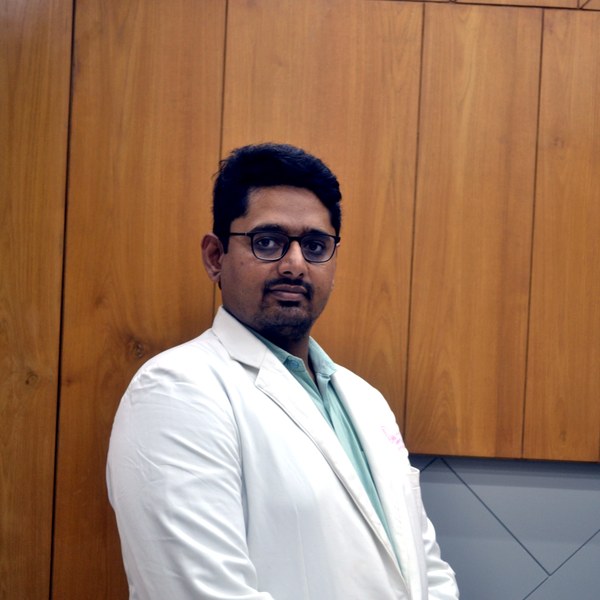
Dr Patel provides evidence-based gynaecological care at Balaji Horizon — from medical management to advanced minimal-access surgery — with a precision, organ- and fertility-sparing philosophy and honest counselling on every option.
Evidence-based gynaecology and minimal-access surgery — with a clear, honest plan built around your priorities.
Dr. Priyadatt Patel
Senior Gynecologist · Advanced Laparoscopic Surgeon · IVF and Endometriosis Programme Lead
MS OBGyn · Pregnancy Care · Advanced Gynaecological Ultrasound · Fertility Preservation
ESHRE / ESGE / AAGL / ASRM guideline-aligned practice. 3D Karl Storz precision technique. Fertility-preservation-first philosophy. Evidence-based decisions, honest counselling, long-term outcomes orientation.
Science City Road, Ahmedabad 380060
Mon–Sat 11:00–20:00 · +91 97234 31544
Naranpura, Ahmedabad
Mon–Sat 08:30–10:30 · +91 70460 02566