
1. How the antagonist protocol works
FSH stimulation starts on day 2–3 of menstrual cycle. GnRH antagonist (Cetrotide, Orgalutran, Fyremadel) added day 5–7 when lead follicle reaches 13–14 mm. The antagonist blocks the pituitary LH surge, preventing premature ovulation. Trigger injection (hCG or GnRH agonist) given when follicles 17–18 mm. Egg retrieval 36 hours later.
2. Day-by-day timeline
Day 2–3: baseline scan and bloods, start FSH. Day 5–7: first monitoring scan; add antagonist when lead follicle 13–14 mm. Day 7–9: continued monitoring every 1–2 days. Day 10–12: trigger when follicles 17–18 mm. Day 12–14: egg retrieval. Total active stimulation: 10–12 days typically.
3. Who is best suited
Most patients — antagonist is now the standard first-line protocol globally. Particularly indicated for: PCOS (lower OHSS risk than long agonist), normal responders, time-sensitive cases (faster than long agonist), patients with prior OHSS, older patients, poor responders (no over-suppression).
4. Triggering — hCG vs agonist
hCG trigger (Ovitrelle, Pregnyl) — standard, supports luteal phase, mild OHSS risk. GnRH agonist trigger (Lupride single dose) — for OHSS-prone patients (PCOS, high AMH, many follicles), substantially reduces severe OHSS risk, but requires intensive luteal support OR freeze-all strategy. Dual trigger (both combined) — in selected cases for borderline responders.
5. Advantages of antagonist
Shorter cycle (no downregulation phase). Lower OHSS risk than long agonist. Lower medication cost typically. More flexible — can be initiated on detected cycle without lengthy pretreatment. Lower psychological burden than 3-week long agonist cycles. Fewer hot flushes than long agonist (no oestrogen suppression phase).
6. Potential limitations
Some patients respond suboptimally to antagonist (rare). Less suppression than long agonist — may not fully control endometriosis disease activity during stimulation. Some studies suggest slightly lower per-cycle pregnancy rates vs long agonist in non-OHSS-prone patients (debated, recent meta-analyses show comparable outcomes).
7. Side effects
Local injection site reactions. Bloating from ovarian enlargement. Mood changes. Headaches. Fluid retention. OHSS in 1–3 percent (severe OHSS under 1 percent with antagonist + agonist trigger). Side effects resolve within 1–2 weeks post-retrieval.
8. Monitoring during cycle
Transvaginal ultrasound every 2–3 days from day 5 — count and measure follicles. Estradiol blood level checked at key points. Dose adjustments based on response (up or down). LH and progesterone monitored in selected cases. Final monitoring just before trigger to confirm readiness. Patients self-administer subcutaneous injections at home.
Antagonist protocol
| Feature | Detail |
|---|---|
| Duration | Shorter |
| OHSS control | Flexible, agonist trigger possible |
| Suits | PCOS and most patients |
Our IVF practice follows international reproductive-medicine standards.
Frequently Asked Questions
How long is an antagonist cycle?
Is antagonist as good as long agonist?
Will I have OHSS on antagonist?
How many injections per day?
Can the protocol be changed during cycle?
Is antagonist suitable for endometriosis?
How many follicles will I get?
Will antagonist protocol affect future fertility?
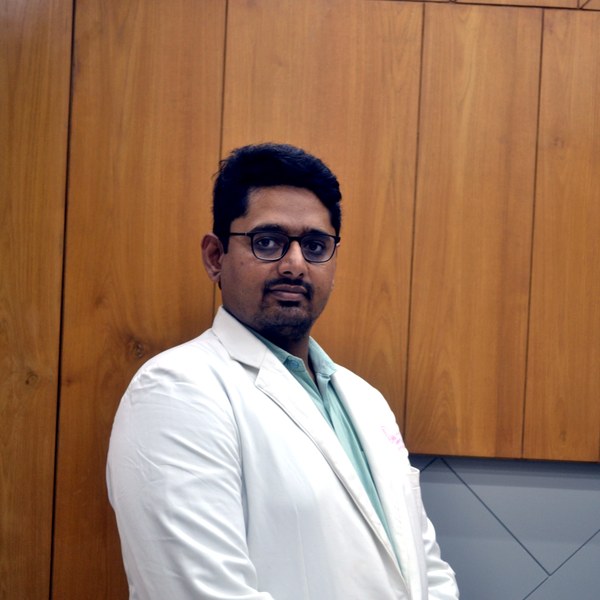
Dr Patel leads fertility care at Balaji Horizon, integrating reproductive surgery and IVF into a single plan — ethical, evidence-based and individualised, with realistic expectations and no overpromising of success.
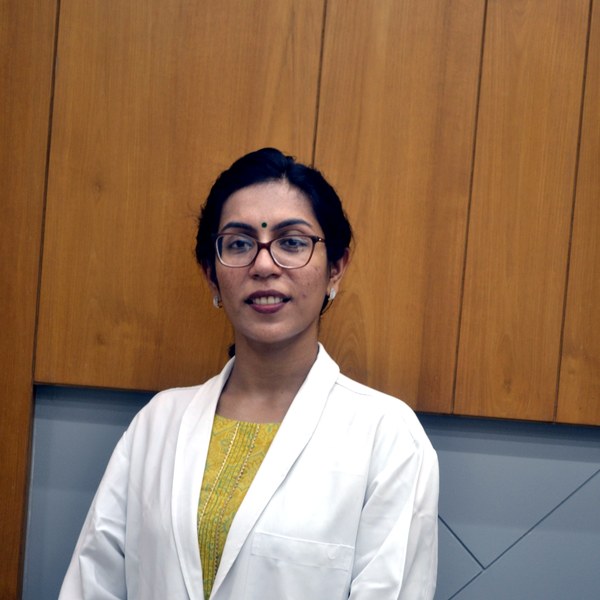
Individualised IVF and fertility planning with honest, evidence-based counselling — and realistic expectations from the very first consultation.
Dr. Priyadatt Patel
Senior Gynecologist · Advanced Laparoscopic Surgeon · IVF and Endometriosis Programme Lead
MS OBGyn · Pregnancy Care · Advanced Gynaecological Ultrasound · Fertility Preservation
ESHRE / ESGE / AAGL / ASRM guideline-aligned practice. 3D Karl Storz precision technique. Fertility-preservation-first philosophy. Evidence-based decisions, honest counselling, long-term outcomes orientation.
Science City Road, Ahmedabad 380060
Mon–Sat 11:00–20:00 · +91 97234 31544
Naranpura, Ahmedabad
Mon–Sat 08:30–10:30 · +91 70460 02566