
Male factor in infertility
Male factor is the sole cause of infertility in approximately 20 percent of couples and contributes in another 30 to 40 percent. This is why both partners are evaluated when a couple presents with infertility, never just the woman.
Improvements in semen analysis methodology (WHO 2021 Manual, sixth edition) and downstream diagnostic tools have transformed male infertility evaluation from a basic count and motility check into a sophisticated assessment of sperm quality, function, and DNA integrity.
Standard male infertility workup
- Detailed history — childhood illnesses (mumps orchitis), surgeries (varicocelectomy, hernia repair), medications, occupational exposures, lifestyle factors
- Physical examination — testicular volume, varicocele detection, secondary sexual characteristics
- Semen analysis × 2 — minimum two analyses spaced 2-4 weeks apart, per WHO 2021 reference values
- Hormonal profile — FSH, LH, testosterone, prolactin where indicated
- Scrotal ultrasound — for varicocele, testicular pathology, ductal obstruction
- Genetic testing — karyotype, Y-chromosome microdeletion, CFTR for severe oligospermia or azoospermia
When standard analysis is inconclusive
For borderline or unexplained findings:
- Sperm DNA fragmentation index (DFI) — important when standard parameters are normal but recurrent pregnancy loss or failed IVF cycles occur
- Oxidative stress markers — research-grade in selected cases
- Acrosomal integrity — for unexplained fertilisation failure with IVF
- Antisperm antibodies — post-vasectomy, varicocele, or trauma history
We order these tests selectively based on the clinical scenario, not as routine complete panels.
From lifestyle to advanced ART
Lifestyle and medical optimisation — weight loss, smoking cessation, alcohol moderation, heat avoidance, and treatment of underlying conditions like diabetes or hypogonadism can improve sperm parameters within three months.
Varicocele repair — microsurgical varicocelectomy benefits selected men with clinical varicocele and abnormal semen parameters.
IUI — for mild male factor with adequate post-wash count and patent female tubes.
IVF with ICSI — overcomes most semen abnormalities. ICSI achieves fertilisation rates above 70 percent across a range of male factor severities.
Surgical sperm retrieval (TESA/PESA/Micro-TESE) — for obstructive and non-obstructive azoospermia. Performed in collaboration with reproductive urology.
Male factor — an overview
| Cause | Approach |
|---|---|
| Low count or motility | ICSI |
| DNA fragmentation | Lifestyle, surgical sperm |
| Azoospermia | TESA / PESA |
Our IVF practice follows international reproductive-medicine standards.
Frequently asked questions
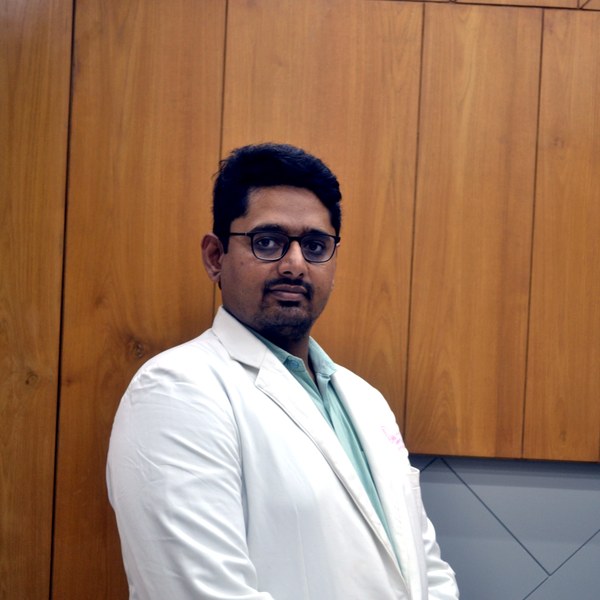
Dr Patel leads fertility care at Balaji Horizon, integrating reproductive surgery and IVF into a single plan — ethical, evidence-based and individualised, with realistic expectations and no overpromising of success.
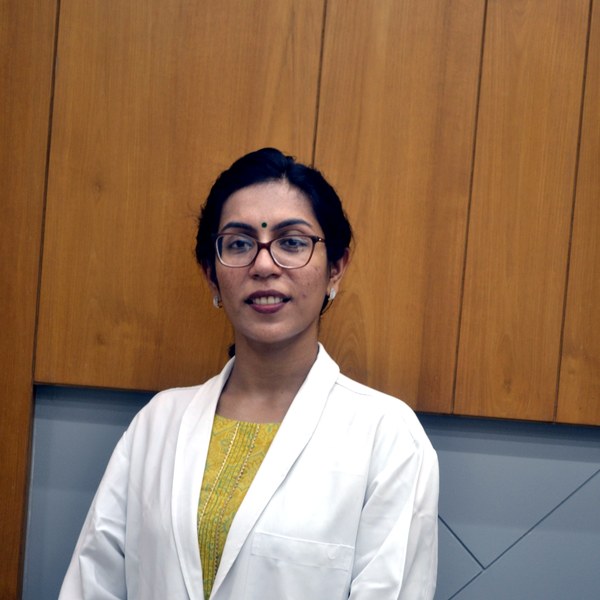
Individualised IVF and fertility planning with honest, evidence-based counselling — and realistic expectations from the very first consultation.
Dr. Priyadatt Patel
Senior Gynecologist · Advanced Laparoscopic Surgeon · IVF and Endometriosis Programme Lead
MS OBGyn · Pregnancy Care · Advanced Gynaecological Ultrasound · Fertility Preservation
ESHRE / ESGE / AAGL / ASRM guideline-aligned practice. 3D Karl Storz precision technique. Fertility-preservation-first philosophy. Evidence-based decisions, honest counselling, long-term outcomes orientation.
Science City Road, Ahmedabad 380060
Mon–Sat 11:00–20:00 · +91 97234 31544
Naranpura, Ahmedabad
Mon–Sat 08:30–10:30 · +91 70460 02566