
1. Cycle day 1-2 — start
First day of menstruation. Baseline transvaginal ultrasound to confirm no functional cysts. Baseline blood work (FSH, LH, estradiol). FSH injection started day 2 or 3 evening. Dose calibrated to AMH, AFC, age. Subcutaneous injection (abdomen typically). Self-administered after training.
2. Days 3-5 — early stimulation
Daily FSH continuing. Mild bloating begins. Mood changes possible. Minimal symptoms typically. Continue normal activities. Light exercise. Avoid extreme physical activity. Adequate hydration. Limit caffeine and alcohol. Patient self-administering injections at home.
3. Day 5-7 — first monitoring
First transvaginal ultrasound. Estradiol blood level. Count developing follicles. Measure leading follicle size. Adjust FSH dose if needed. If lead follicle 13-14 mm — start GnRH antagonist (Cetrotide, Orgalutran). Add to evening injection schedule. Now 2 injections daily.
4. Days 7-10 — peak stimulation
Continued daily monitoring every 1-2 days. Multiple follicles developing. Visible bloating. Some discomfort. Possible mood swings. Estradiol rising rapidly. Adjustments to FSH dose if response too brisk or slow. Continued daily injections (FSH + antagonist).
5. Day 10-12 — trigger preparation
Follicles approaching mature size (17-18 mm). Final monitoring scan. Trigger injection scheduled when adequate maturation. Choice of trigger — hCG, GnRH agonist (Lupride), or dual trigger. Trigger administered evening, exactly 36 hours before retrieval. Critical timing.
6. Trigger to retrieval — 36 hours
No more FSH after trigger. Trigger drives final oocyte maturation. Patient prepared for retrieval — fasting after midnight, comfortable clothing, transport arranged. Avoid strenuous activity. Sometimes pre-retrieval evaluation.
7. Retrieval day
Day-care procedure under sedation. Transvaginal ultrasound-guided aspiration of follicles. Lasts 20-30 minutes. Mild discomfort during recovery. Discharge same day. Some bloating, mild cramping. Eggs immediately delivered to embryology laboratory for assessment. Begins luteal phase support.
8. Post-retrieval recovery
Rest day 1. Light activities day 2-3. Avoid heavy lifting or intense exercise for 1-2 weeks (ovarian torsion risk in enlarged ovaries). Hydration. Monitor for OHSS symptoms — increasing pain, breathing difficulty, weight gain. Mild bloating normal. Updates from embryology lab over next 5-6 days.
Stimulation — what to expect
| Aspect | Detail |
|---|---|
| Injections | Daily, ~10–12 days |
| Monitoring | Scans and blood tests |
| Goal | Several mature follicles |
| Common effects | Bloating, mood changes |
Our IVF practice follows international reproductive-medicine standards.
Frequently Asked Questions
How many injections will I need?
Do I administer injections myself?
How will I feel during stimulation?
Can I exercise during stimulation?
What about work and travel?
How long is the cycle?
What is the trigger injection?
What symptoms warrant calling the clinic?
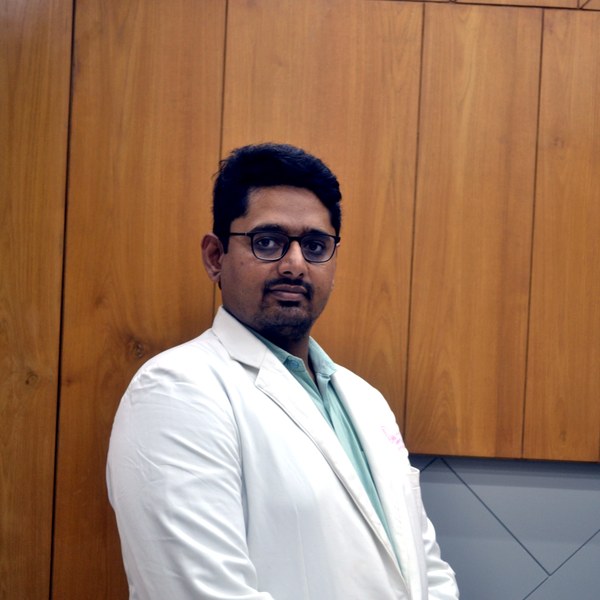
Dr Patel leads fertility care at Balaji Horizon, integrating reproductive surgery and IVF into a single plan — ethical, evidence-based and individualised, with realistic expectations and no overpromising of success.
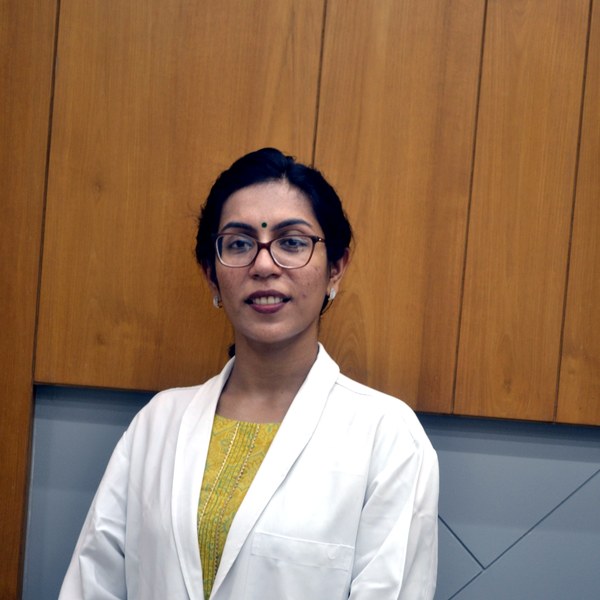
Individualised IVF and fertility planning with honest, evidence-based counselling — and realistic expectations from the very first consultation.
Dr. Priyadatt Patel
Senior Gynecologist · Advanced Laparoscopic Surgeon · IVF and Endometriosis Programme Lead
MS OBGyn · Pregnancy Care · Advanced Gynaecological Ultrasound · Fertility Preservation
ESHRE / ESGE / AAGL / ASRM guideline-aligned practice. 3D Karl Storz precision technique. Fertility-preservation-first philosophy. Evidence-based decisions, honest counselling, long-term outcomes orientation.
Science City Road, Ahmedabad 380060
Mon–Sat 11:00–20:00 · +91 97234 31544
Naranpura, Ahmedabad
Mon–Sat 08:30–10:30 · +91 70460 02566