
IVF for Endometriosis — Protocol Adaptations and Outcomes
IVF in patients with endometriosis requires protocol adaptation, careful surgery-versus-IVF-first decisions, and honest counselling about outcomes. This page covers how IVF is modified for endometriosis patients and what realistic outcomes to expect.
1. Surgery-versus-IVF-first decision
ESHRE 2022 framework guides this critical decision. Asymptomatic small endometrioma in patient ready for IVF — IVF first often preferred (avoid ovarian reserve damage). Symptomatic large endometrioma — surgery first. Hydrosalpinx — always address before IVF. Deep infiltrating disease without anatomic correction needs — IVF first. Individualised assessment essential.
2. Protocol selection
Long agonist protocol historically favoured for endometriosis — better disease suppression during stimulation, some studies show improved implantation. Antagonist protocol acceptable for most. Ultra-long agonist (2–3 months) for severe disease with high activity. Decision based on disease severity, ovarian reserve, time constraints.
3. Ovarian reserve considerations
Endometriosis can reduce ovarian reserve, especially with endometriomas. AMH baseline essential before IVF. Bilateral endometriomas more concerning than unilateral. Previous ovarian surgery compounds reserve impact. Mild stimulation or adapted protocols for low-reserve endometriosis patients.
4. Endometrioma management before IVF
Generally — do not operate on asymptomatic small endometriomas in IVF-ready patients. ESHRE 2022 supports this approach. Surgical removal reduces ovarian reserve. Large endometriomas (over 5 cm), suspicion of malignancy, or significant symptoms may warrant pre-IVF surgery. Each case individualised.
5. Adenomyosis considerations
Adenomyosis coexists with endometriosis in 30–80 percent of moderate-severe cases. Adenomyosis reduces implantation rates and increases miscarriage. Pre-transfer GnRH suppression often used. Frozen embryo transfer after disease suppression may improve outcomes. Severe adenomyosis sometimes needs medical optimisation before any transfer.
6. Freeze-all strategy
Increasingly used in endometriosis IVF. Allows disease suppression after stimulation before transfer. Optimised endometrial preparation in subsequent cycle. Reduces inflammatory exposure during early pregnancy. Particularly valuable in adenomyosis. Outcomes comparable to or better than fresh transfer.
7. Realistic outcome expectations
Per-cycle pregnancy rates with endometriosis are slightly lower than non-endometriosis IVF (perhaps 5–10 percentage points). Cumulative success across multiple cycles approaches non-endometriosis rates. Severe stage III–IV disease may have more significant impact. Age remains the dominant factor — endometriosis adds incremental impact.
8. Pre-IVF optimisation
3-month lifestyle optimisation. Vitamin D correction. Anti-inflammatory dietary pattern. Smoking cessation (smoking and endometriosis compound impact). Weight optimisation. Disease optimisation (hormonal suppression often paused 1–2 months before stimulation). Mental health support. Partner sperm DNA fragmentation evaluation if recurrent failures.
IVF protocol adaptations for endometriosis
| Factor | Adaptation |
|---|---|
| Reduced ovarian reserve | Tailored stimulation |
| Endometrioma present | Usually no cystectomy before IVF |
| Coexisting adenomyosis | Consider down-regulation before transfer |
| Ongoing pain | Managed alongside the cycle |
Aligned with current international evidence, not habit.
Frequently Asked Questions
Should I have surgery before IVF for endometriosis?
Does endometriosis affect IVF success?
What protocol is best for endometriosis IVF?
Should I freeze all embryos?
Will adenomyosis affect my IVF?
How does endometriosis affect ovarian reserve?
What if I had previous surgery for endometriosis?
Should I continue hormonal suppression during IVF prep?
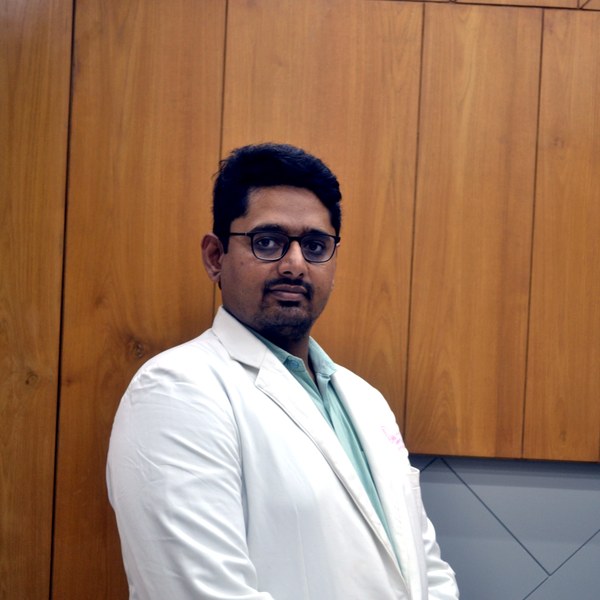
Dr Patel leads endometriosis diagnosis and surgery at Balaji Horizon with an evidence-based, ovarian-sparing philosophy aligned to ESHRE and ESGE — integrating pain, fertility and long-term disease control into a single plan, rather than treating the disease in isolation.
Imaging-led diagnosis, medical-first management, and precise surgery only when it is the right step — planned around your pain and fertility goals.
Free Patient Guide
The Endometriosis Decision Guide
A short clinical primer on diagnostic delay, the four decisions you may face, and what to bring to your specialist consultation. Aligned with ESHRE 2022, ASRM, FIGO guidance.
Reviewed by Dr. Priyadatt Patel — read in 20–25 minutes
Free — delivered to your inbox
Deciding whether to operate first or go straight to IVF? See our decision guide: Endometriosis & fertility — surgery or IVF first?
Dr. Priyadatt Patel
Senior Gynecologist · Advanced Laparoscopic Surgeon · IVF and Endometriosis Programme Lead
MS OBGyn · Pregnancy Care · Advanced Gynaecological Ultrasound · Fertility Preservation
ESHRE / ESGE / AAGL / ASRM guideline-aligned practice. 3D Karl Storz precision technique. Fertility-preservation-first philosophy. Evidence-based decisions, honest counselling, long-term outcomes orientation.
Science City Road, Ahmedabad 380060
Mon–Sat 11:00–20:00 · +91 97234 31544
Naranpura, Ahmedabad
Mon–Sat 08:30–10:30 · +91 70460 02566