

IVF Over 40 — Honest Expectations, Adapted Protocols
IVF success rates decline substantially after age 40 due to age-related oocyte aneuploidy. This page covers realistic outcomes, protocol adaptations, decision frameworks including donor egg, and the honest counselling that this group particularly needs.
1. The age-related decline
By age 40, approximately 60-70 percent of oocytes are aneuploid. By 43, 85-90 percent. Aneuploidy is the primary driver of declining IVF success. Per-cycle live birth with own eggs: age 40 — 15-20 percent; age 42 — 8-10 percent; age 44 — 4-5 percent; age 45+ — under 2 percent. Donor egg removes this barrier.
2. Honest counselling — non-negotiable
Patients over 40 deserve realistic counselling. False hope harms more than helps. Discuss own-egg vs donor-egg odds explicitly. Set realistic cycle expectations. Frame multiple cycles as expected, not exception. Discuss stopping criteria proactively. Mental health support throughout. The conversation should be hard but kind.
3. Own-egg IVF strategies
Adapted protocols — antagonist standard, mild stimulation in poor responders, DuoStim for time-critical cases. CoQ10 200-600 mg daily 3 months pre-cycle (mitochondrial support). DHEA in selected cases. PGT-A often valuable to identify rare euploid embryos and avoid futile transfers. Realistic 3-4 cycle plan.
4. PGT-A in this group
Most valuable in over-40 population. High aneuploidy rates mean many transferred embryos would fail. PGT-A identifies euploid embryos efficiently. Reduces miscarriage rate substantially. Improves cumulative success per oocyte retrieved. Cost-benefit favours PGT-A in older patients more than younger.
5. Donor egg discussion
Should be early, not late. Donor egg restores age-appropriate oocyte quality. Per-cycle success rates 50-60 percent regardless of recipient age. Removes aneuploidy barrier entirely. ICMR ART Act 2021 regulates donor selection in India. Counselling about psychological, legal, family aspects.
6. When to consider donor egg
AMH below 0.3 ng/ml with poor own-egg cycles. Age over 43 with very low yields. Multiple failed own-egg cycles with poor embryo quality. Persistent aneuploidy on PGT-A. Patient preference for higher success rates. Donor egg should be presented as an option, not last resort.
7. Obstetric considerations
Pregnancies over 40 carry higher obstetric risks — hypertension, gestational diabetes, placental complications, caesarean rates, preterm birth. Should be discussed pre-conception. Pre-pregnancy health optimisation (BP, weight, glucose). Specialist obstetric care during pregnancy.
8. Stopping criteria
Discussed before starting, not in crisis. Typical patterns: 3-4 cycles with own eggs, then donor egg discussion. Or specific number of euploid embryos before stopping. Financial limits acknowledged honestly. Emotional limits respected. Stopping is not failure — it is integration of evidence with values.
IVF over 40
| Reality | Detail |
|---|---|
| Egg quality declines | Lower success rates |
| Honest counselling | Realistic odds discussed |
| Donor-egg option | Considered where appropriate |
Our IVF practice follows international reproductive-medicine standards.
Frequently Asked Questions
What is my IVF success rate at 41?
Should I do PGT-A?
How many IVF cycles should I plan?
When should I consider donor egg?
Are there supplements that help over 40?
What about pregnancy risks at 40+?
Is donor egg success the same as own egg success?
When should I stop trying?
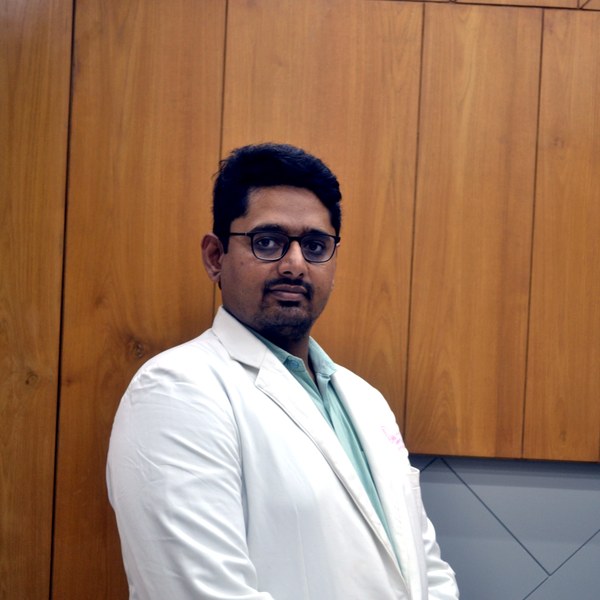
Dr Patel leads fertility care at Balaji Horizon, integrating reproductive surgery and IVF into a single plan — ethical, evidence-based and individualised, with realistic expectations and no overpromising of success.
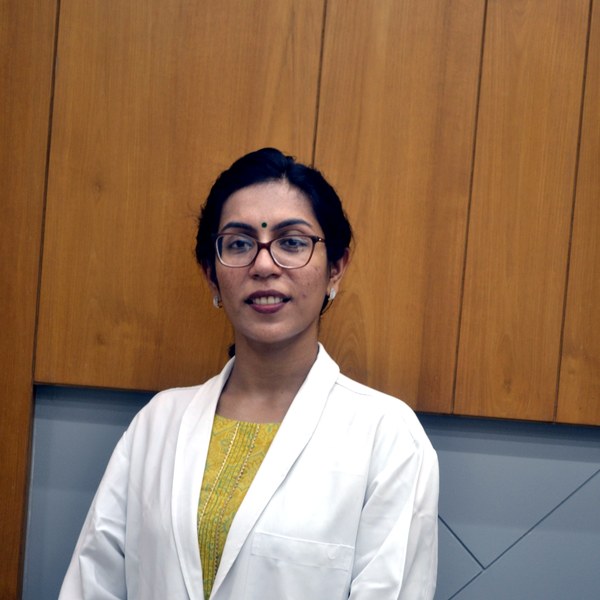
Individualised IVF and fertility planning with honest, evidence-based counselling — and realistic expectations from the very first consultation.
Dr. Priyadatt Patel
Senior Gynecologist · Advanced Laparoscopic Surgeon · IVF and Endometriosis Programme Lead
MS OBGyn · Pregnancy Care · Advanced Gynaecological Ultrasound · Fertility Preservation
ESHRE / ESGE / AAGL / ASRM guideline-aligned practice. 3D Karl Storz precision technique. Fertility-preservation-first philosophy. Evidence-based decisions, honest counselling, long-term outcomes orientation.
Science City Road, Ahmedabad 380060
Mon–Sat 11:00–20:00 · +91 97234 31544
Naranpura, Ahmedabad
Mon–Sat 08:30–10:30 · +91 70460 02566