
Endometriosis vs Adenomyosis: How They Differ and Why It Matters
Two related conditions, but two distinct diseases — and telling them apart precisely is what makes treatment actually work. An evidence-based comparison from Balaji Horizon Women’s Hospital, Ahmedabad.
ESHRE 2022 & MUSA aligned
They frequently coexist
Endometriosis is endometrium-like tissue growing outside the uterus — on the peritoneum, ovaries, bowel or bladder. Adenomyosis is endometrium-like tissue growing within the muscular wall of the uterus itself. They share a biological theme and often occur together, but they are diagnosed differently, cause overlapping yet distinguishable symptoms, and call for different treatment strategies. Precise mapping before any treatment is therefore not a technicality — it changes what should be done.
Side by side
| Endometriosis | Adenomyosis | |
|---|---|---|
| Location | Outside the uterus — peritoneum, ovaries, bowel, bladder, ligaments | Within the uterine muscle wall (myometrium) |
| Hallmark symptom | Cyclical pelvic pain, period pain, pain with intercourse, infertility | Heavy, prolonged bleeding and a bulky, tender uterus |
| Typical age | Reproductive age, frequently teens to 30s | Classically 35–50 / often parous — but increasingly recognised earlier with modern imaging |
| How it is diagnosed | Expert transvaginal scan (IDEA protocol), MRI for deep disease; laparoscopy only when it changes management | Transvaginal scan (MUSA features) or MRI — globular uterus, asymmetric wall, myometrial cysts, junctional-zone change |
| Effect on fertility | Reduces fertility through distorted anatomy, inflammation and lowered ovarian reserve | Linked to implantation failure and miscarriage; can lower IVF success |
| First-line treatment | Hormonal therapy (combined pill, progestins e.g. dienogest); selective excision surgery | Hormonal therapy (LNG-IUS, progestins, combined pill; short-course GnRH analogues) |
| Definitive option | Complete, carefully selected excision of disease | Hysterectomy — only once childbearing is complete; uterine-sparing surgery is limited and specialised |
Why the distinction changes treatment
The two diseases pull treatment in different directions. Endometriosis is, above all, a disease of pain and fertility driven by tissue on the pelvic surfaces; its management balances hormonal suppression against carefully indicated surgery, with constant attention to preserving the ovaries. Adenomyosis is, above all, a disease of bleeding and an enlarged uterus; its management is weighted toward controlling the menstrual cycle, and its only definitive cure — hysterectomy — is incompatible with carrying a pregnancy. A woman who wants to conceive needs these distinctions made explicit, because the “right” answer for one diagnosis can be exactly wrong for the other.
When they coexist — which is common
Endometriosis and adenomyosis frequently travel together; depending on the population and imaging used, a substantial share of women with one are found to have the other. Coexistence matters clinically: adenomyosis can be the hidden reason that pain or subfertility persists after endometriosis has been competently treated, and it independently lowers the odds of implantation in IVF. This is why our assessment maps both the pelvic surfaces and the uterine wall before we counsel on a plan — treating only the visible endometriosis while missing adenomyosis is a recognised cause of disappointing outcomes.
How each is diagnosed without surgery
Modern practice diagnoses both conditions largely through expert imaging, not the operating theatre. For endometriosis, a systematic transvaginal ultrasound performed to the IDEA consensus protocol can identify ovarian endometriomas, deep nodules and signs of adhesions; MRI adds detail for deep disease and surgical planning. For adenomyosis, the same high-resolution scan looks for the MUSA features — a globular uterus, asymmetric myometrial thickening, myometrial cysts and an irregular or interrupted junctional zone — with MRI as a problem-solver. The quality of the scan is decisive: these are operator-dependent findings, which is why endometriosis-focused sonography matters more than the machine alone. Read about our expert endometriosis ultrasound →
What this means for your treatment plan
If bleeding dominates and the uterus is bulky, adenomyosis is usually the driver, and a levonorgestrel intrauterine system or other hormonal therapy is often the most effective first step — with hysterectomy reserved for women who have completed their family and want a definitive solution. If cyclical pain, painful intercourse or infertility dominate, endometriosis is usually the driver, and the plan weighs medical suppression against selective, ovarian-sparing excision. When both are present and pregnancy is the goal, the sequence of medical therapy, surgery and IVF must be planned together — ideally by a team that performs both the surgery and the fertility treatment, so the trade-offs are owned by one clinician rather than passed between specialties.
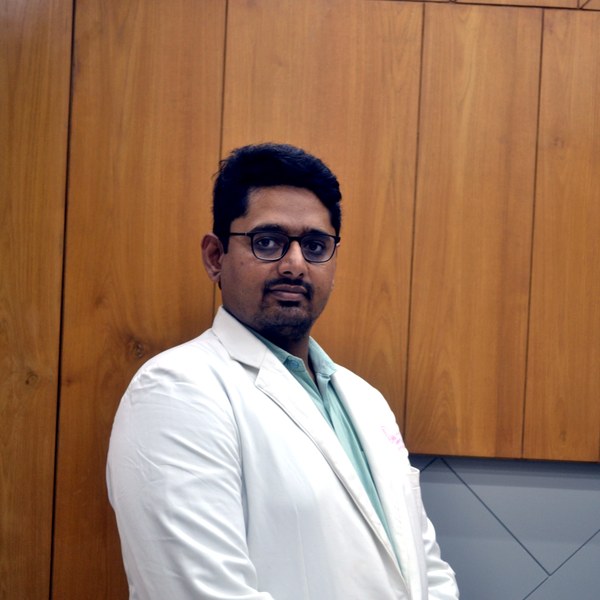
Dr Patel personally performs the endometriosis mapping (expert ultrasound and MRI correlation) and, where indicated, the precision excision surgery — with an evidence-based, ovarian-sparing philosophy aligned to ESHRE and ESGE standards. Because adenomyosis and endometriosis so often overlap, the same clinician plans the bleeding, pain and fertility strands of your care together.
Our positions align with international guidance:
ESHRE Endometriosis Guideline (2022),
ASRM, and
RCOG patient information.
Explore related topics
Adenomyosis treatment
Expert endometriosis ultrasound
Endometriosis symptoms
Treatment decision framework
Heavy menstrual bleeding
Endometriosis & fertility
Frequently asked questions
Can you have both endometriosis and adenomyosis at the same time?
Yes — they coexist often. Adenomyosis is a common, under-recognised reason that pain or subfertility continues even after endometriosis has been treated, which is why we assess both the pelvic surfaces and the uterine wall before advising on a plan.
Which one is more painful?
They cause different pain. Endometriosis classically causes cyclical pelvic pain, painful periods and pain with intercourse; adenomyosis causes heavy, crampy bleeding with a tender, enlarged uterus. Severity varies widely between individuals and does not reliably indicate how extensive the disease is.
Can adenomyosis be cured without removing the uterus?
Symptoms can often be well controlled with hormonal therapy — a levonorgestrel intrauterine system, progestins or short courses of GnRH analogues. Hysterectomy is the only definitive cure and is reserved for women who have completed their family. Uterine-sparing surgery exists but is limited and specialised.
Does adenomyosis affect IVF?
It can. Adenomyosis is associated with lower implantation and higher miscarriage rates, and may reduce IVF success. In selected cases a period of hormonal down-regulation before embryo transfer is considered. This is one reason adenomyosis should be identified before, not after, fertility treatment.
Can you tell them apart without an operation?
In most cases, yes. A high-quality transvaginal ultrasound performed by an experienced operator — supported by MRI when needed — can distinguish them and map their extent. Diagnostic laparoscopy is now reserved for situations where it will actually change management.
How is adenomyosis different from fibroids?
Fibroids are separate, well-defined benign growths of the uterine muscle; adenomyosis is endometrium-like tissue spread within the muscle wall. They can look alike on a basic scan and can occur together, but they are treated differently. See fibroids.
Does adenomyosis affect pregnancy?
It is associated with a higher chance of miscarriage and with some pregnancy complications, such as preterm birth. Many women with adenomyosis have a healthy pregnancy, which is monitored with this in mind.
Expert mapping of both endometriosis and adenomyosis, with a plan built around your pain, bleeding and fertility goals.
Endometriosis vs adenomyosis vs PCOS vs IBS
These overlap and are often confused. A simplified guide — only a specialist assessment can tell them apart.
| Endometriosis | Adenomyosis | PCOS | IBS | |
|---|---|---|---|---|
| Core problem | Endometrial-like tissue outside the uterus | Endometrial tissue within the uterine muscle | Hormonal/ovulatory + metabolic syndrome | Functional bowel disorder |
| Typical pain | Cyclical pelvic pain, painful sex, painful periods | Heavy, painful periods; bulky tender uterus | Often painless; acne/hair/weight | Cramping linked to bowel habit, eases after passing stool |
| Periods | Often painful, can be heavy | Heavy & painful | Irregular or absent | Usually normal |
| Fertility | Can reduce fertility | Can affect implantation | Ovulation-related subfertility | Not directly affected |
| First test | Expert ultrasound (± MRI/laparoscopy) | Ultrasound / MRI | Bloods + ultrasound (Rotterdam) | Clinical; exclude other causes |
Overlap is common — many women have more than one. Per ESHRE, normal scans do not exclude endometriosis.
Dr. Priyadatt Patel
Senior Gynecologist · Advanced Laparoscopic Surgeon · IVF and Endometriosis Programme Lead
MS OBGyn · Pregnancy Care · Advanced Gynaecological Ultrasound · Fertility Preservation
ESHRE / ESGE / AAGL / ASRM guideline-aligned practice. 3D Karl Storz precision technique. Fertility-preservation-first philosophy. Evidence-based decisions, honest counselling, long-term outcomes orientation.
323, Satyamev Eminence, Beside Saptak Bungalows & AUDA Water Tank, Science City Road, Sola, Ahmedabad 380060
Open 24 hours (emergencies & labour) · OPD Mon–Sat 11:00–20:00 · +91 97234 31544
Naranpura, Ahmedabad
Mon–Sat 08:30–10:30 · +91 70460 02566