
Endometriosis Mental Health — The Often Untreated Dimension
Depression and anxiety rates are 2-3x higher in endometriosis than age-matched controls. Mental health is part of endometriosis care, not separate. This page covers psychological aspects, screening, and integrated mental health support.
1. Why endometriosis affects mental health
Chronic pain alone increases depression and anxiety risk. Diagnostic delay (7-10 years average) generates frustration and self-doubt. Disruption of work, relationships, fertility plans creates ongoing stress. Society dismissal of pain reinforces isolation. Hormonal changes from disease and treatment affect mood. Multiple compounding factors elevate mental health risk substantially.
2. Recognition
Persistent low mood, anhedonia (loss of pleasure), hopelessness, sleep disturbance beyond pain-related, appetite changes, concentration difficulties, suicidal ideation. Anxiety — chronic worry, panic attacks, avoidance behaviour. Should be actively screened during endometriosis consultations, not waited for patient to raise.
3. The pain-mood relationship
Bidirectional. Pain causes depression and anxiety. Depression amplifies pain perception. Anxiety increases muscle tension and pelvic floor hyperactivity (worsening pelvic pain). Sleep disruption affects both. Treating one improves the other. Integrated management more effective than parallel separate streams.
4. Mental health screening
Validated tools — PHQ-9 for depression, GAD-7 for anxiety. Regular use in consultations. Severity grading. Risk assessment for self-harm. Documentation. Referral pathway for moderate-severe cases. Brief screening better than ignoring the dimension.
5. Treatment options
Psychotherapy — CBT, mindfulness-based stress reduction, acceptance and commitment therapy. Specific to chronic pain conditions. Pharmacotherapy — SSRIs (which may have dual benefit for chronic pain), SNRIs, sometimes tricyclics. Combination often most effective. Mental health specialist referral for moderate-severe cases.
6. Group and peer support
Endometriosis support groups (in-person, online). Reduces isolation. Validation of experience. Practical advice sharing. Improvement in coping. Online communities can be valuable but should be moderated to avoid catastrophising. Local support groups through hospital and patient organisations.
7. Partner and family support
Chronic illness affects relationships. Education of partner about disease and pain mechanisms. Couples therapy when chronic pain has affected relationship. Family education to avoid pain dismissal. Boundary-setting with extended family/colleagues who minimise symptoms. Strong support networks improve outcomes substantially.
8. Integrated care model
Mental health as core component of endometriosis care, not afterthought. Mental health specialist on multidisciplinary team. Routine screening. Integrated treatment planning. Communication between physical and mental health providers. Address both dimensions in parallel — this transforms outcomes for chronic disease management.
The psychological impact — and support
| Challenge | Support |
|---|---|
| Chronic pain and low mood | Pain psychology, screening |
| Fertility distress | Counselling |
| Years of dismissal or delay | Validation and continuity of care |
| Relationship and sexual impact | Psychosexual support |
Aligned with current international evidence, not habit.
Frequently Asked Questions
Is it normal to feel depressed with endometriosis?
Will antidepressants help my endometriosis?
How do I find a mental health specialist familiar with chronic pain?
Does pain make depression worse?
Will mindfulness help my pain?
Should I join a support group?
My partner does not understand my pain — what can I do?
When should I seek psychiatric help?
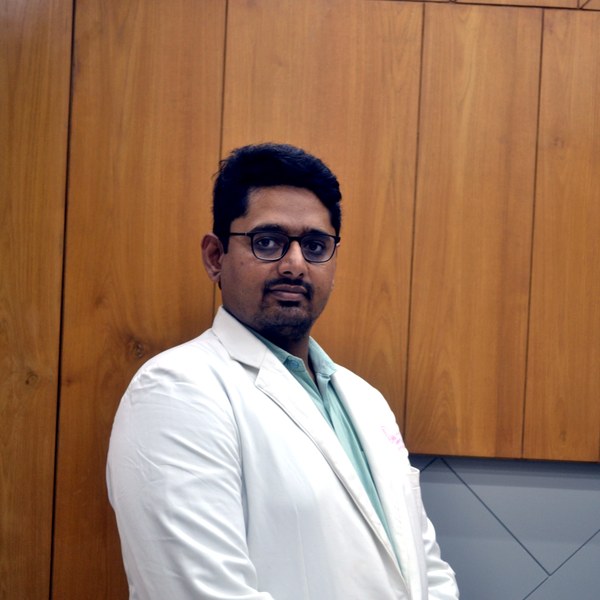
Dr Patel leads endometriosis diagnosis and surgery at Balaji Horizon with an evidence-based, ovarian-sparing philosophy aligned to ESHRE and ESGE — integrating pain, fertility and long-term disease control into a single plan, rather than treating the disease in isolation.
Imaging-led diagnosis, medical-first management, and precise surgery only when it is the right step — planned around your pain and fertility goals.
Dr. Priyadatt Patel
Senior Gynecologist · Advanced Laparoscopic Surgeon · IVF and Endometriosis Programme Lead
MS OBGyn · Pregnancy Care · Advanced Gynaecological Ultrasound · Fertility Preservation
ESHRE / ESGE / AAGL / ASRM guideline-aligned practice. 3D Karl Storz precision technique. Fertility-preservation-first philosophy. Evidence-based decisions, honest counselling, long-term outcomes orientation.
323, Satyamev Eminence, Beside Saptak Bungalows & AUDA Water Tank, Science City Road, Sola, Ahmedabad 380060
Open 24 hours (emergencies & labour) · OPD Mon–Sat 11:00–20:00 · +91 97234 31544
Naranpura, Ahmedabad
Mon–Sat 08:30–10:30 · +91 70460 02566