
Endometriosis Lifestyle — Diet, Exercise, Sleep, Stress
Lifestyle modifications complement medical and surgical management of endometriosis. While lifestyle does not cure endometriosis, it modulates symptoms and supports treatment outcomes. This page covers evidence-based lifestyle approaches.
1. Anti-inflammatory dietary pattern
Mediterranean-pattern eating — abundant vegetables, fruits, olive oil, fish, whole grains, legumes. Lower red and processed meat. Higher omega-3, lower omega-6. Reduces systemic inflammation that may exacerbate endometriosis symptoms. Adjunctive to medical management, not replacement.
2. Specific dietary considerations
Reduce trans fats and processed foods. Limit refined sugars. Adequate vitamin D (often deficient in endometriosis patients). Sufficient iron if heavy menstrual bleeding causes anaemia. Adequate fibre for bowel regulation. Limited alcohol. Adequate hydration. Anti-inflammatory spices (turmeric, ginger).
3. Exercise
Regular moderate exercise reduces pain, improves mood, supports weight management, may reduce inflammation. Mix of aerobic and resistance. 150 minutes moderate or 75 minutes vigorous weekly. Yoga and Pilates beneficial — flexibility, core strength, pelvic floor relaxation. Avoid high-impact during severe flares.
4. Weight optimisation
BMI in 20-28 range supports best outcomes. Both underweight and overweight associated with worse symptoms. Weight loss for overweight patients improves symptoms, fertility outcomes, surgical recovery. Sustainable lifestyle changes preferred over crash dieting.
5. Sleep optimisation
Chronic pain disrupts sleep; poor sleep worsens pain perception and inflammation. Sleep hygiene measures. 7-8 hours nightly target. Consistent sleep-wake schedule. Sleep environment optimisation. Treat any sleep apnoea. Pain management during evening to facilitate sleep onset.
6. Stress management
Chronic stress amplifies pain perception, impairs sleep, may exacerbate inflammation. Mindfulness-based stress reduction has evidence in chronic pain. Cognitive behavioural therapy. Meditation, yoga, breathing techniques. Time in nature. Adequate work-life balance. Mental health support when needed.
7. Smoking and alcohol
Smoking — accelerates ovarian aging, worsens endometriosis outcomes, complicates surgery. Cessation strongly recommended. Alcohol — heavy use impairs fertility and worsens symptoms. Modest intake unlikely to harm but no benefit. Both partners benefit from reducing/stopping.
8. Pelvic floor awareness
Chronic pelvic pain often produces secondary pelvic floor hyperactivity. Daily pelvic floor relaxation practice. Specialist pelvic floor physiotherapy when needed. Breathing techniques. Postural awareness. Integration with pain management programme.
Lifestyle measures — what the evidence says
| Measure | Evidence |
|---|---|
| Anti-inflammatory diet | Limited but reasonable |
| Regular exercise | May reduce pain |
| Pelvic-floor physiotherapy | Helps the muscular component |
| Stress & sleep management | Supports pain coping |
| Smoking cessation | General and fertility benefit |
Aligned with current international evidence, not habit.
Specific foods & supplements — what the evidence actually shows
A grade-by-grade look at the dietary changes patients most often ask about — separating what is genuinely supported from what is popular but unproven.
Search the internet for an “endometriosis diet” and you will find confident lists of foods to eat and foods to avoid. The honest clinical position is more measured. No food causes endometriosis and no diet cures it. Most dietary advice rests on observational studies (which can only show association, not cause) or on laboratory plausibility (which often does not translate to patients). That does not make diet pointless — an anti-inflammatory pattern is reasonable, safe, and good for general health — but it does mean the individual claims deserve to be graded honestly rather than presented as fact.
Dietary patterns & foods
| Change | What the evidence shows | Strength |
|---|---|---|
| Mediterranean / anti-inflammatory pattern | Observational data link this pattern to lower pain scores; biologically plausible. No trial proves it slows the disease. Safe and good for general & fertility health. | Low–moderate |
| More omega-3 (oily fish / EPA-DHA) | Small studies and a prostaglandin mechanism suggest a modest effect on period pain. Worth including in the diet; not a stand-alone treatment. | Low |
| Less red & processed meat | A large cohort linked high red-meat intake to higher endometriosis risk — a risk signal, not proof that cutting it treats existing disease. Reasonable as part of the pattern above. | Low (risk data) |
| Gluten-free | Only an uncontrolled study (no comparison group) reported pain improvement — easily explained by expectation. Justified if coeliac disease or genuine gluten sensitivity is present; otherwise unproven for endometriosis. | Very low / insufficient |
| Cutting out dairy | Evidence is conflicting — some cohorts associate higher dairy with lower risk, the opposite of popular advice. No basis for blanket dairy elimination. | Insufficient / conflicting |
| Low-FODMAP | Helps the IBS-type gut symptoms that frequently overlap with endometriosis — it eases the bowel, it does not treat the endometriosis itself. Best done short-term with a dietitian to avoid over-restriction. | Low (gut symptoms only) |
| Avoiding soy / phytoestrogens | The theoretical “estrogen” worry is not borne out; data are neutral or even favourable. No need to avoid normal soy intake. | Insufficient (no need to avoid) |
| Caffeine & alcohol | Associations are inconsistent; heavy alcohol may worsen symptoms and fertility. Moderation is sensible; strict elimination is not evidence-based. | Low |
Supplements
| Supplement | What the evidence shows | Strength |
|---|---|---|
| Vitamin D | Often low in endometriosis. Correcting a true deficiency is worthwhile for general health; a direct effect on endometriosis pain is unproven (small trials are mixed). Test, then treat if low. | Correct if deficient |
| N-acetylcysteine (NAC) | A few small studies hinted at reduced endometrioma size and pain — promising but preliminary. Reasonable to discuss; not yet an established treatment. | Low / emerging |
| Omega-3 capsules | Same modest, low-grade signal as dietary omega-3. Food sources are preferred; capsules are an option if intake is low. | Low |
| Magnesium | Some evidence for period pain (dysmenorrhoea) generally; little specific to endometriosis. Low-risk to trial. | Low |
| Curcumin / turmeric, antioxidant blends | Anti-inflammatory in the laboratory, but robust human trials in endometriosis are lacking. Unlikely to harm in food amounts; not a proven therapy. | Very low (lab only) |
How to use this without doing harm
An anti-inflammatory pattern, regular movement, and not smoking are safe, sensible defaults. Be cautious with elimination diets. Over-restriction can cause real harm — nutritional gaps, disordered eating, and lost iron or calcium at a time when heavy bleeding may already be causing anaemia. If you want to test whether a food group affects you, do it as a short, structured trial with a dietitian and reintroduce systematically — not as a permanent ban based on a social-media list. Diet supports medical and surgical care; it does not replace it, and it should never delay assessment of pain or fertility concerns.
Related on this site:
medical management of endometriosis ·
symptoms overview ·
endometriosis & fertility ·
living with endometriosis
What foods should I avoid with endometriosis?
There is no proven “banned” list. The evidence-based emphasis is on a pattern — more vegetables, fruit, whole grains, legumes, olive oil and oily fish; less processed food, refined sugar, trans fats and heavy red/processed meat; and moderate alcohol. Blanket bans on gluten, dairy or soy are popular but not supported for most patients. If a specific food reliably triggers your gut symptoms, reduce that food — ideally with dietitian guidance — rather than eliminating whole food groups.
Does cutting out gluten or dairy help endometriosis?
For most women, the evidence is weak. The gluten study often quoted had no control group, so improvement could simply reflect expectation. Dairy data are conflicting and sometimes point the other way. Going gluten- or dairy-free makes clear sense if you have coeliac disease, a genuine intolerance, or a consistent personal trigger — but it is not a proven endometriosis treatment, and strict elimination carries its own nutritional risks. Test it deliberately and briefly rather than committing permanently.
Frequently Asked Questions
Will diet cure my endometriosis?
What is the best diet for endometriosis?
Should I exercise during a flare?
Does losing weight help endometriosis?
Is yoga safe for endometriosis?
How important is sleep?
Can stress make endometriosis worse?
Do supplements help?
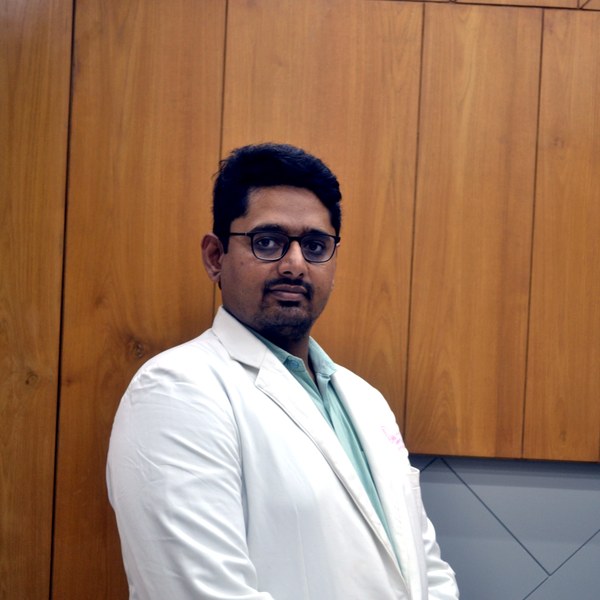
Dr Patel leads endometriosis diagnosis and surgery at Balaji Horizon with an evidence-based, ovarian-sparing philosophy aligned to ESHRE and ESGE — integrating pain, fertility and long-term disease control into a single plan, rather than treating the disease in isolation.
Imaging-led diagnosis, medical-first management, and precise surgery only when it is the right step — planned around your pain and fertility goals.
Dr. Priyadatt Patel
Senior Gynecologist · Advanced Laparoscopic Surgeon · IVF and Endometriosis Programme Lead
MS OBGyn · Pregnancy Care · Advanced Gynaecological Ultrasound · Fertility Preservation
ESHRE / ESGE / AAGL / ASRM guideline-aligned practice. 3D Karl Storz precision technique. Fertility-preservation-first philosophy. Evidence-based decisions, honest counselling, long-term outcomes orientation.
323, Satyamev Eminence, Beside Saptak Bungalows & AUDA Water Tank, Science City Road, Sola, Ahmedabad 380060
Open 24 hours (emergencies & labour) · OPD Mon–Sat 11:00–20:00 · +91 97234 31544
Naranpura, Ahmedabad
Mon–Sat 08:30–10:30 · +91 70460 02566