
Multimodal Pain Management in Endometriosis
Endometriosis pain mechanisms extend far beyond the visible lesions — peripheral inflammation, nerve infiltration, pelvic floor dysfunction and central sensitisation all contribute. Effective pain management is multimodal, integrating medical, surgical, physical and psychological approaches.
1. Why endometriosis pain is complex
Multiple pain mechanisms operate simultaneously. Direct lesion inflammation produces nociceptive pain. Lesion-grown nerve fibres (neuro-angiogenesis) generate pain signals from the disease itself. Deep nerve involvement causes neuropathic pain. Pelvic floor myofascial dysfunction develops secondary to chronic pain guarding. Central sensitisation rewires the nervous system after years of input.
2. NSAIDs — first-line analgesia
Mefenamic acid, ibuprofen, naproxen. Start 24–48 hours before expected period rather than after pain begins. Mechanism — block prostaglandin production driving cyclical inflammation. Effective for mild-moderate dysmenorrhoea. Cons — GI side effects with prolonged use, less effective for chronic continuous pain.
3. Hormonal suppression as pain treatment
Suppressing cyclical disease activity (combined OCP, dienogest, Mirena, GnRH agonists/antagonists) substantially reduces pain in the majority. Particularly effective for cyclical pain pattern. Less effective once central sensitisation has developed — at that point hormonal suppression is necessary but not sufficient.
4. Pelvic floor physiotherapy
Chronic endometriosis produces secondary pelvic floor hyperactivity — tense, painful pelvic floor muscles independent of lesion location. Specialist pelvic floor physiotherapist assessment. Treatment — relaxation exercises, biofeedback, dilator therapy, trigger point release, breathing techniques. 3–6 months for substantial benefit.
5. Neuropathic pain agents
For central sensitisation and neuropathic pain components. Gabapentin or pregabalin — first-line. Tricyclic antidepressants (amitriptyline) at low dose. Duloxetine — particularly useful for combined depression and chronic pain. Start low, titrate slowly. Side effects (sedation, weight gain) require attention. Effective for many but not all.
6. Pain rehabilitation programmes
Structured multidisciplinary programmes incorporating CBT, mindfulness-based stress reduction, graded exercise, pacing strategies, education about pain neuroscience. Evidence-based for chronic pain conditions including endometriosis. Effective even when surgical and pharmacological approaches have failed. Available through specialist pain medicine centres.
7. Surgical pain relief — when warranted
Excisional surgery removes lesions and their nerve infiltration. Often substantial pain reduction (60–80 percent at 1 year in published series). Less effective when central sensitisation is established — peripheral cause removed but central pain mechanisms persist. Surgery is one tool, not always sufficient alone.
8. Mental health integration
Depression and anxiety rates 2–3x higher in endometriosis. Untreated mental health amplifies pain perception, reduces coping, impairs sleep, worsens function. Pain and mental health are not separate streams — integrated treatment delivers better outcomes than parallel separate care. CBT, mindfulness, psychiatric medication where appropriate.
Multimodal pain management
| Modality | Role |
|---|---|
| Hormonal suppression | Reduces disease-driven pain |
| NSAIDs | First-line symptomatic relief |
| Neuropathic agents | For central sensitisation / chronic pain |
| Pelvic-floor physiotherapy | Addresses the muscular component |
| Pain psychology | Coping and central pain |
| Surgery | When structural disease clearly drives pain |
Aligned with current international evidence, not habit.
Frequently Asked Questions
Why does endometriosis pain persist after surgery?
What is central sensitisation?
Is pelvic floor physiotherapy worth it?
Will gabapentin or pregabalin help my pain?
Should I see a pain specialist?
Can mindfulness really help pain?
How do I find a pain rehabilitation programme?
Will pregnancy help my pain?
Pain that continues after endometriosis-directed treatment can reflect a wider pelvic pain syndrome with central sensitisation. For a structured, cause-finding approach, see our guidance on chronic pelvic pain.
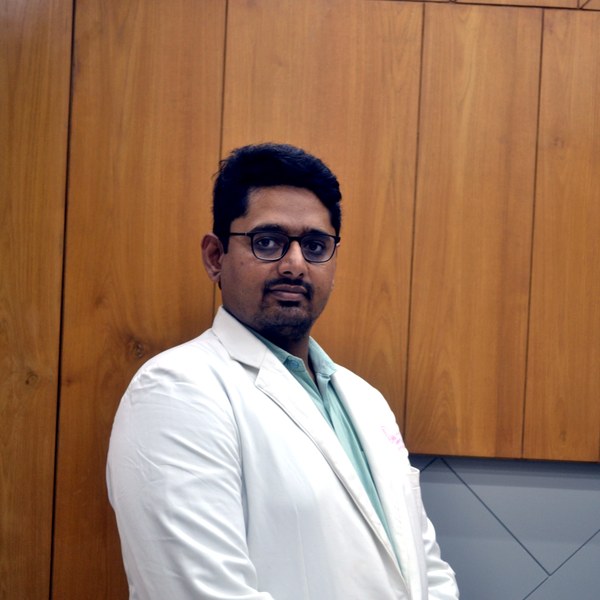
Dr Patel leads endometriosis diagnosis and surgery at Balaji Horizon with an evidence-based, ovarian-sparing philosophy aligned to ESHRE and ESGE — integrating pain, fertility and long-term disease control into a single plan, rather than treating the disease in isolation.
Imaging-led diagnosis, medical-first management, and precise surgery only when it is the right step — planned around your pain and fertility goals.
Dr. Priyadatt Patel
Senior Gynecologist · Advanced Laparoscopic Surgeon · IVF and Endometriosis Programme Lead
MS OBGyn · Pregnancy Care · Advanced Gynaecological Ultrasound · Fertility Preservation
ESHRE / ESGE / AAGL / ASRM guideline-aligned practice. 3D Karl Storz precision technique. Fertility-preservation-first philosophy. Evidence-based decisions, honest counselling, long-term outcomes orientation.
323, Satyamev Eminence, Beside Saptak Bungalows & AUDA Water Tank, Science City Road, Sola, Ahmedabad 380060
Open 24 hours (emergencies & labour) · OPD Mon–Sat 11:00–20:00 · +91 97234 31544
Naranpura, Ahmedabad
Mon–Sat 08:30–10:30 · +91 70460 02566