
Endometriosis Recurrence – Prevention and Management
Endometriosis recurs in 20-50 percent of cases after surgery within 5 years. Postoperative hormonal management significantly reduces recurrence and is recommended for most patients.
Multiple mechanisms
Incomplete excision of microscopic disease, dormant cells reactivating, ongoing retrograde menstruation, and individual disease aggressiveness. Recurrence is the rule rather than exception without postoperative suppression.
Postoperative management
Combined oral contraceptives (continuous or cyclic), progestin-only therapy (dienogest particularly effective), LNG-IUS for adenomyosis features, GnRH agonists for short-term severe cases. Long-term continuation while fertility is not actively pursued.
Reassessment and treatment
Symptom-driven evaluation. Imaging to assess current disease. Consideration of medical vs surgical second-line. Repeat surgery decisions balance disease, fertility goals, and ovarian reserve. Sometimes IVF replaces repeat surgery.
Why endometriosis recurs
| Factor | Effect |
|---|---|
| Incomplete excision | Residual disease can regrow |
| Ongoing hormonal drive | Recurrence rises without suppression |
| Severe / deep disease | Recurs more often |
| No post-operative medical therapy | Higher recurrence rate |
Aligned with current international evidence, not habit.
Frequently asked
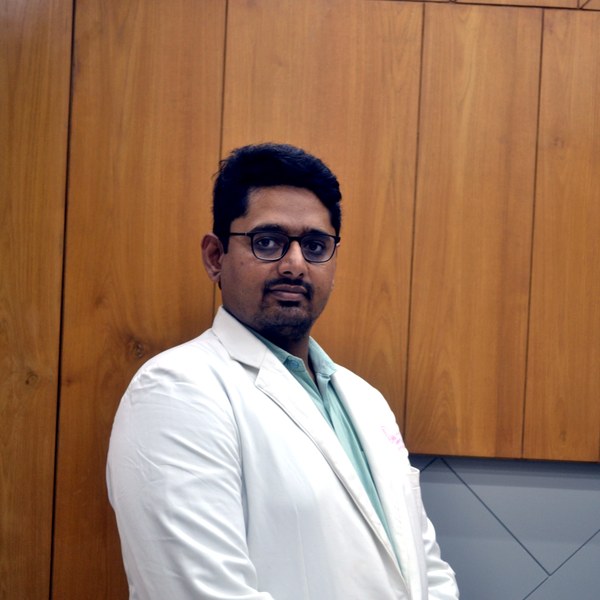
Dr Patel leads endometriosis diagnosis and surgery at Balaji Horizon with an evidence-based, ovarian-sparing philosophy aligned to ESHRE and ESGE — integrating pain, fertility and long-term disease control into a single plan, rather than treating the disease in isolation.
Imaging-led diagnosis, medical-first management, and precise surgery only when it is the right step — planned around your pain and fertility goals.
Why endometriosis can recur — and how we limit it
Endometriosis is a long-term condition, and symptoms or disease can return after treatment. Recognising this from the outset leads to better decisions than assuming any single operation is a permanent cure.
Surgery is not automatically the answer to recurrence
Repeated surgery carries cumulative risk — particularly to the ovaries and ovarian reserve. When symptoms return we reassess carefully rather than reflexively re-operating: we weigh pain, fertility plans, what previous surgery found, and ovarian reserve before recommending anything.
Long-term medical suppression
For many women, hormonal suppression after surgery meaningfully reduces the chance of symptom recurrence and is central to long-term control. The right choice depends on whether you are trying to conceive, which we plan around.
An individualised, long-term plan
Managing recurrence well means a plan that looks years ahead — balancing symptom control, fertility timing, and the goal of preserving your ovaries — rather than treating each flare in isolation. This long-view, fertility-protective approach is central to how we manage the disease.
Recurrence, persistence and new disease are not the same
When symptoms return after surgery, three different things may be happening, and telling them apart changes what to do next. Persistence means disease was never fully removed — often the case after surface ablation of deep lesions. True recurrence means disease has regrown at a treated site. New disease means lesions have appeared elsewhere. Honest counselling acknowledges that endometriosis is a chronic, oestrogen-dependent condition, so some risk of return exists even after excellent surgery — but much of what is labelled “recurrence” is actually incomplete first surgery, which is why expertise the first time matters so much.
How likely is it, and how is it reduced?
Reported recurrence varies widely with disease type, the completeness of surgery and the length of follow-up; ovarian endometriomas, for example, recur more often than peritoneal disease. The single most effective way to lower the chance of symptom recurrence after surgery is post-operative medical suppression — a levonorgestrel intrauterine system, a progestin, or a combined hormonal contraceptive — particularly for women not immediately trying to conceive. This is supported by ESHRE guidance and reduces both period pain and endometrioma recurrence. For those planning pregnancy, the plan instead times conception or IVF appropriately rather than relying on suppression.
A long-term, monitored plan
Recurrence is best prevented by treating endometriosis as a long-term condition: complete initial surgery, a considered suppression or fertility plan, and periodic review rather than waiting for severe symptoms to return. Explore when repeat surgery is justified, medical therapy, and living well long-term.
Dr. Priyadatt Patel
Senior Gynecologist · Advanced Laparoscopic Surgeon · IVF and Endometriosis Programme Lead
MS OBGyn · Pregnancy Care · Advanced Gynaecological Ultrasound · Fertility Preservation
ESHRE / ESGE / AAGL / ASRM guideline-aligned practice. 3D Karl Storz precision technique. Fertility-preservation-first philosophy. Evidence-based decisions, honest counselling, long-term outcomes orientation.
323, Satyamev Eminence, Beside Saptak Bungalows & AUDA Water Tank, Science City Road, Sola, Ahmedabad 380060
Open 24 hours (emergencies & labour) · OPD Mon–Sat 11:00–20:00 · +91 97234 31544
Naranpura, Ahmedabad
Mon–Sat 08:30–10:30 · +91 70460 02566