
Repeat Surgery in Endometriosis — When (and When Not)
Repeat endometriosis surgery is one of the most consequential decisions in long-term management. Each operation carries cumulative risk to ovarian reserve and pelvic function. This page lays out the evidence-based framework for deciding when repeat surgery genuinely helps — and when it usually does not.
1. Why repeat surgery is high-stakes
Ovarian reserve declines with each ovarian operation. Adhesions accumulate. Anatomic distortion progresses. Bowel/bladder/ureteric injury risk rises with each subsequent surgery in scarred fields. Surgical recovery is harder. Yet recurrence rates of 20–40 percent over 5 years mean many patients face this decision. The bar for repeat surgery should be higher than for initial surgery.
2. When repeat surgery genuinely helps
Symptomatic large endometrioma (especially over 5 cm) with significant pain. New deep infiltrating disease causing bowel/bladder/ureteric obstruction. Hydrosalpinx newly identified before IVF. Adnexal mass needing histological diagnosis. Significant new symptoms with clear anatomic correlate on imaging. Failed adequate trial of medical management.
3. When repeat surgery rarely helps
Pain alone without clear anatomic findings on imaging. Central sensitisation as the dominant pain mechanism. Recurrent superficial disease (medical management usually better). Surgery within 2 years of previous unless major new indication. Patient considering pregnancy soon — preserve ovarian reserve. Cycle of repeat surgeries with diminishing returns.
4. The pre-decision evaluation
Expert imaging (ultrasound + MRI) to confirm anatomic correlate of symptoms. AMH and AFC to assess ovarian reserve. Comprehensive pain assessment including central sensitisation evaluation. Adequate trial of hormonal management. Pelvic floor physiotherapy trial. Multidisciplinary review for complex cases. Surgical decision is made after — not before — comprehensive assessment.
5. ESHRE 2022 guidance on repeat surgery
The 2022 ESHRE Endometriosis Guideline explicitly cautions against repeat surgery as the default response to recurrence. Hormonal medical management is recommended as first-line for recurrent disease. Surgery is reserved for specific indications. Outcomes from second/third surgeries are progressively worse — fertility, pain, and complications all trend unfavourably.
6. The surgery-or-IVF-first decision in recurrence
For fertility-seeking patients with recurrent endometriosis, IVF-first is often the better path. Repeat ovarian surgery for endometrioma reduces AMH further. IVF response in recurrent disease patients (with prior surgery) is often acceptable. Surgery reserved for hydrosalpinx, symptomatic large endometriomas, or specific anatomic factors limiting IVF.
7. The honest conversation
Patients deserve honest counselling about repeat surgery limitations. The patient who has had 3 surgeries with persisting pain is unlikely to benefit from a fourth — even if she wants one. Saying so requires courage but is the right professional advice. Multimodal pain management, hormonal optimisation, and acceptance of chronic disease are often the better path.
8. Alternatives to repeat surgery
Optimise hormonal management (different agent, higher dose, add-back). Pelvic floor physiotherapy. Neuropathic pain agents for central sensitisation. Pain rehabilitation programme. Mental health support. Lifestyle optimisation. IVF if fertility-seeking. Hysterectomy as definitive option in completed family. Each alternative considered before — not after — another surgery.
Repeat surgery — when, and when not
| Scenario | Usual stance | Why |
|---|---|---|
| Recurrent pain, good reserve | Consider | Symptom relief |
| Recurrent endometrioma, low reserve | Avoid; favour IVF / medical | Reserve loss, POI risk |
| Asymptomatic recurrence | Monitor | No benefit to re-operate |
| New bowel / ureter involvement | Multidisciplinary surgery | Organ function at risk |
Aligned with current international evidence, not habit.
Frequently Asked Questions
How often is repeat endometriosis surgery needed?
Will another surgery fix my pain?
Does each surgery damage my ovaries?
Should I get a second opinion before repeat surgery?
What if my surgeon recommends another operation?
Is hysterectomy the answer for chronic disease?
Can I refuse repeat surgery?
What about laparoscopy “just to look”?
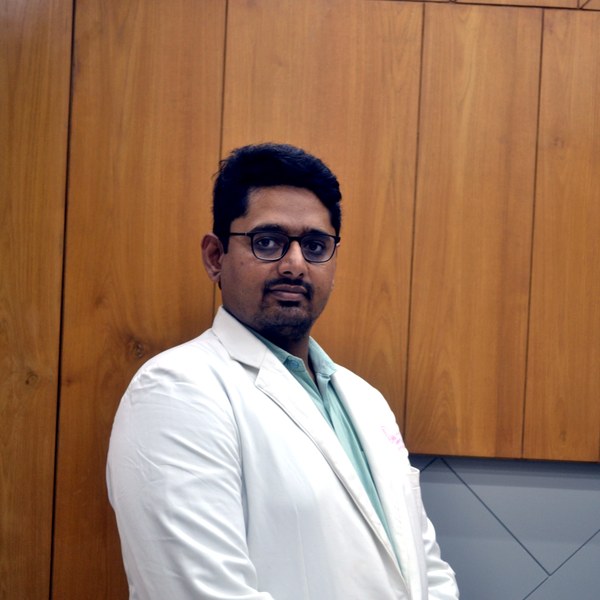
Dr Patel leads endometriosis diagnosis and surgery at Balaji Horizon with an evidence-based, ovarian-sparing philosophy aligned to ESHRE and ESGE — integrating pain, fertility and long-term disease control into a single plan, rather than treating the disease in isolation.
Imaging-led diagnosis, medical-first management, and precise surgery only when it is the right step — planned around your pain and fertility goals.
Dr. Priyadatt Patel
Senior Gynecologist · Advanced Laparoscopic Surgeon · IVF and Endometriosis Programme Lead
MS OBGyn · Pregnancy Care · Advanced Gynaecological Ultrasound · Fertility Preservation
ESHRE / ESGE / AAGL / ASRM guideline-aligned practice. 3D Karl Storz precision technique. Fertility-preservation-first philosophy. Evidence-based decisions, honest counselling, long-term outcomes orientation.
323, Satyamev Eminence, Beside Saptak Bungalows & AUDA Water Tank, Science City Road, Sola, Ahmedabad 380060
Open 24 hours (emergencies & labour) · OPD Mon–Sat 11:00–20:00 · +91 97234 31544
Naranpura, Ahmedabad
Mon–Sat 08:30–10:30 · +91 70460 02566