

Fertility Preservation Programme
Fertility preservation is one of modern reproductive medicine’s clearest wins — when it is offered at the right time. Egg freezing for age-related decline, embryo freezing for partnered patients, ovarian tissue cryopreservation for selected oncology patients — each has well-defined indications and outcomes. The decision is rarely between “preserve” and “don’t preserve”; it is “when”. We discuss the question honestly, with realistic numbers about how many eggs need to be frozen for what age and what future plan.
Our approach to fertility preservation
Every patient considering fertility preservation receives a structured counselling session covering ovarian reserve assessment, expected egg yield per cycle for their age and AMH, the number of eggs typically needed for a reasonable chance of one live birth at the planned future age, and the realistic costs and timeline. No patient signs up for preservation without understanding what it does and doesn’t guarantee.
Egg freezing for age
For women in their early-to-mid thirties planning to delay pregnancy, egg freezing offers meaningful protection — but is most effective when done before 35 and ideally before AMH has declined significantly. We discuss the trade-offs (more cycles needed at older ages, lower expected outcomes per egg as age advances) frankly. Marketing campaigns suggesting “freeze your eggs, freeze your future” oversimplify a more nuanced decision. What the process involves, how many eggs a given age typically needs, and what the numbers do and do not promise are covered in what to know before freezing eggs, while egg freezing in Ahmedabad sets out how the cycle runs here.
Embryo freezing
For partnered patients, embryo freezing offers higher per-unit outcomes than egg freezing — frozen embryos thaw and transfer with better expected results than frozen eggs do. The trade-off is the legal and practical implications of frozen embryos belonging to a couple.
Oncofertility
For patients facing gonadotoxic cancer treatment, fertility preservation before treatment is one of the most important conversations in their care. We coordinate with oncology colleagues, with cycle timelines compressed where necessary, to give every patient a fair chance at future fertility regardless of treatment plans. The specific pathway before cancer treatment, and how urgently it has to be arranged, is covered in fertility preservation before cancer treatment.
Fertility preservation topics
Fertility preservation — a complete overview: the conditions it helps, who benefits, the procedures involved, and how we plan timing around your goals.
Guidelines we follow
- ESHRE Guideline on Female Fertility Preservation
- ASRM Practice Committee opinions on fertility preservation
- Oncofertility consortium standards
Fertility preservation options
| Option | For whom |
|---|---|
| Egg freezing | Before surgery, with age, or medical reasons |
| Embryo freezing | When you have a partner |
| Ovarian tissue freezing | Selected cases (e.g. cancer) |
Where this fits
Fertility preservation overlaps with evaluation and may intersect with endometriosis fertility planning. For surrounding cycle decisions, see the IVF process.
For a specialist consultation, contact Balaji Horizon Women’s Hospital.
WhatsApp the hospital · +91 97234 31544 · Science City Road, Ahmedabad 380060
Fertility preservation should be offered to all patients facing treatments that may compromise reproductive potential (oncology, autoimmune cytotoxic therapy, gonadal surgery) where medically appropriate.
CONTINUE READING
Explore the IVF Programme
Fertility Preservation is one element of the broader IVF and fertility programme. The main IVF pillar covers the complete reproductive medicine framework.
Comparison
Egg freezing – approximate eggs needed for ~70% chance of one future live birth
| Age at freezing | Approximate eggs to bank | Likely cycles needed | Considerations |
|---|---|---|---|
| Under 35 | 10–15 mature eggs | Often 1 cycle | Best biological window. Lower drug load. |
| 35–37 | 15–20 mature eggs | 1–2 cycles | Decision window is closing. Plan with realistic expectations. |
| 38–39 | 25–30 mature eggs | 2–3 cycles | Substantial decline. Discuss whether the investment matches the realistic chance. |
| 40–42 | 30+ mature eggs | 3+ cycles | Diminishing returns. Honest conversation about donor egg as alternative. |
| Over 42 (own eggs) | Variable, low yield | Multiple | Donor egg pathway typically more effective. Decision should be made with the realistic numbers in hand. |
Decision Tree
Medical or elective – the indication shapes the conversation
Fertility preservation looks similar from outside but very different from inside, depending on the reason.
A
Medical indication
Cancer treatment (chemotherapy/radiation), severe endometriosis facing repeat ovarian surgery, BRCA1/2 mutation considering risk-reducing oophorectomy, autoimmune disease starting gonadotoxic therapy. Strongly indicated when stimulation can be delayed by 2–3 weeks safely.
B
Elective – anticipated delay
Late 20s to mid-30s, no partner or not ready to start a family, preserving options. Outcomes are best under 35; the conversation should be honest about the age curve and realistic numbers per cycle.
C
During an IVF cycle
Freezing additional eggs or embryos for future siblings. Often the most straightforward indication – incremental to a planned cycle.
“Fertility preservation does not promise a future pregnancy. It preserves a choice that biology would otherwise close.”
Our fertility preservation philosophy
Free Patient Guide
The Fertility Preservation Primer
What egg freezing actually is, who it helps, and how to decide. Honest age-stratified numbers, realistic costs, and questions to ask in your consultation.
Reviewed by Dr. Priyadatt Patel — read in 20–25 minutes
Free — delivered to your inbox
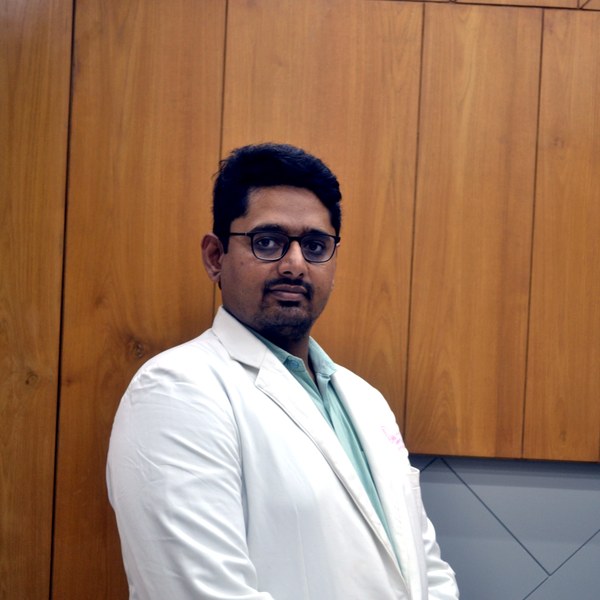
Dr Patel leads fertility care at Balaji Horizon, integrating reproductive surgery and IVF into a single plan — ethical, evidence-based and individualised, with realistic expectations and no overpromising of success.
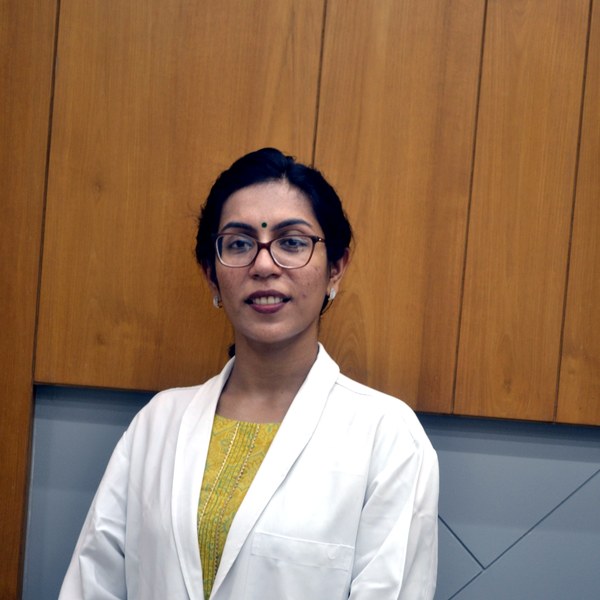
Individualised IVF and fertility planning with honest, evidence-based counselling — and realistic expectations from the very first consultation.
Dr. Priyadatt Patel
Senior Gynecologist · Advanced Laparoscopic Surgeon · IVF and Endometriosis Programme Lead
MS OBGyn · Pregnancy Care · Advanced Gynaecological Ultrasound · Fertility Preservation
ESHRE / ESGE / AAGL / ASRM guideline-aligned practice. 3D Karl Storz precision technique. Fertility-preservation-first philosophy. Evidence-based decisions, honest counselling, long-term outcomes orientation.
Science City Road, Ahmedabad 380060
Mon–Sat 11:00–20:00 · +91 97234 31544
Naranpura, Ahmedabad
Mon–Sat 08:30–10:30 · +91 70460 02566