

Endometriosis · Adolescent presentation
Adolescent endometriosis — earlier diagnosis matters
Endometriosis can begin in adolescence. Studies suggest that the disease is identifiable in many patients who later carry it into adulthood, yet the average diagnostic delay is greatest in this age group. This page describes how adolescent endometriosis presents, why it is often missed, and how the centre approaches diagnosis, treatment, and the long-term goal of preserving fertility.
Why adolescent endometriosis is missed
Several reasons explain the diagnostic delay in this age group:
- Severe period pain is often normalised — both at home and in clinics — despite being abnormal
- The presentation in adolescents differs from adults — non-cyclical pain is more common
- Ultrasound is less sensitive in adolescents (smaller pelvic disease, intact hymen may limit TVS)
- Concerns about hormonal therapy or laparoscopy in young patients may delay investigation
- Embarrassment or under-reporting of symptoms
The result is an average diagnostic delay of 8 to 12 years from symptom onset, with adolescent-onset patients carrying the longest delay.
Symptoms in adolescents
- Severe dysmenorrhoea (period pain) that disrupts school, sport, or daily life
- Pain that is not relieved by standard NSAIDs or by combined hormonal contraception trials
- Non-cyclical chronic pelvic pain (more common in adolescent presentation than in adult)
- Cyclical bowel or bladder symptoms
- Painful intercourse in sexually active adolescents
- Family history of endometriosis (a genuine risk factor)
- Absence from school or activities related to menstrual symptoms
Investigation approach
Investigation in adolescents follows a paced, age-appropriate pathway:
- Detailed history — allowing the patient time, ideally with a chaperone of her choice
- Examination — abdominal examination as standard; pelvic examination only where age-appropriate and accepted by the patient
- Transabdominal ultrasound — first-line non-invasive imaging
- Transvaginal or transrectal ultrasound — in selected, post-menarchal, sexually active patients with consent, using the ISUOG IDEA protocol
- MRI of the pelvis — preferred non-invasive imaging in adolescents who do not accept TVS
- Diagnostic laparoscopy — reserved for cases where imaging is inconclusive and symptoms remain severe despite first-line medical therapy
Treatment philosophy
The aim is symptom control without aggressive intervention that might compromise long-term outcomes:
- NSAIDs — first-line analgesic; often under-dosed in adolescent practice
- Combined hormonal contraception or progestogens — cyclically or continuously; the standard medical first-line
- Dienogest — effective and tolerated in adolescents
- GnRH analogues with add-back — reserved for refractory cases; bone-health monitoring is essential
- Surgery — only when medical therapy fails or when imaging suggests deep disease; performed by an experienced operator
Aggressive surgery in adolescents is avoided. The goal is to control symptoms, preserve ovarian reserve, and protect fertility for later in life.
Fertility preservation considerations
Where significant ovarian endometriosis is identified in an adolescent, the conversation about fertility preservation is started early. Oocyte freezing is a recognised option in selected patients, particularly when bilateral ovarian surgery is being considered. The conversation involves the patient, the family (with the patient’s consent), and the fertility programme. See fertility preservation for further detail.
Mental-health dimension
Years of unexplained pain in adolescence carries a mental-health cost. Anxiety, depression, school refusal, and isolation are well documented. Specialist referral for psychological support is offered alongside the medical pathway when needed.
When to seek a specialist opinion
- Period pain that disrupts school, sport, or sleep
- Pain that does not respond to NSAIDs after a fair trial
- Pain that does not respond to 6 months of combined hormonal contraception or progestogen
- Non-cyclical pelvic pain in a young patient
- Strong family history of endometriosis with symptoms
- Patient or family preference for an opinion before normalising symptoms
Guidelines we follow on this topic
- ESHRE Endometriosis Guideline 2022 (adolescent section)
- ACOG Committee Opinion on Adolescent Endometriosis
- RCOG/British Society for Paediatric and Adolescent Gynaecology guidance
- NICE NG73 Endometriosis
Related reading
Endometriosis can present in adolescence. Severe dysmenorrhoea, school absence, and cyclical pain not relieved by first-line analgesia or COCP warrant specialist evaluation. Early diagnosis protects long-term reproductive and quality-of-life outcomes.
CONTINUE READING
Explore the Endometriosis Programme
Adolescent Endometriosis is one part of the broader endometriosis programme led by Dr. Priyadatt Patel. The main endometriosis pillar covers the full diagnostic and treatment framework.
Free Patient Guide
The Fertility Preservation Primer
What egg freezing actually is, who it helps, and how to decide. Honest age-stratified numbers, realistic costs, and questions to ask in your consultation.
Reviewed by Dr. Priyadatt Patel — read in 20–25 minutes
Free — delivered to your inbox
Recognising adolescent endometriosis
| Sign | Action |
|---|---|
| Period pain causing school absence | Specialist review |
| Pain not controlled by NSAIDs or the pill | Investigate |
| Cyclical bowel or bladder pain | Possible deep disease |
| Strong family history | Higher suspicion |
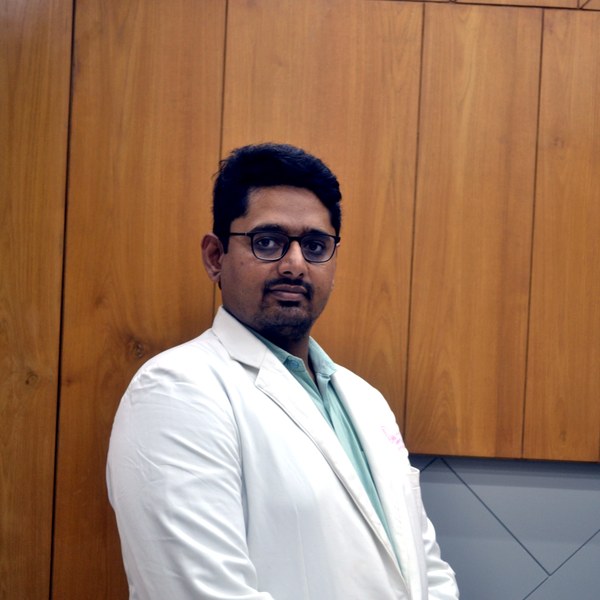
Dr Patel leads endometriosis diagnosis and surgery at Balaji Horizon with an evidence-based, ovarian-sparing philosophy aligned to ESHRE and ESGE — integrating pain, fertility and long-term disease control into a single plan, rather than treating the disease in isolation.
Imaging-led diagnosis, medical-first management, and precise surgery only when it is the right step — planned around your pain and fertility goals.
Frequently asked questions
Is severe period pain normal in teenagers?
Mild to moderate period pain is common and usually primary dysmenorrhoea. Pain that causes monthly school absence, resists correctly used painkillers, or comes with bowel, bladder or non-period pain is not automatically normal and deserves evaluation. The pattern over several cycles, not any single bad month, is what should prompt a proper assessment.
Can a teenager really have endometriosis?
Yes. Endometriosis can begin in adolescence. In a systematic review of adolescents whose pain was severe enough to warrant laparoscopy, around two-thirds had visually confirmed disease. Those were selected girls with significant symptoms, so the figure does not describe all teenagers with period pain. Teenage lesions often look different from adult disease and are easily missed.
Does my daughter need a laparoscopy to get a diagnosis?
No. Current international guidance supports evaluation with history, examination where appropriate and expert ultrasound, and starting medical treatment on that basis. Surgery is reserved for specific indications: persistent symptoms despite adequate medical treatment, findings such as an endometrioma, or genuine diagnostic uncertainty that would change management.
Does a normal scan rule endometriosis out?
No. Early and superficial endometriosis is frequently invisible on ultrasound, particularly the clear and red lesions typical of adolescents. A normal scan alongside persistent symptoms does not close the question; it changes the plan to treating symptoms medically, reviewing the response at a defined interval, and keeping the diagnosis actively on the table.
Will endometriosis affect her fertility later?
Most women with endometriosis conceive, and an early diagnosis does not predict infertility for any individual. Early recognition protects options: disease control, preservation of ovarian reserve, avoidance of repeated surgery and informed timing decisions in adulthood.
Which treatments are safe for teenagers?
NSAIDs used correctly are first-line and effective for many. Hormonal treatments, combined hormonal contraceptives or progestin-only options, are widely used in adolescents for period pain and suspected endometriosis, chosen individually after discussion of benefits and side effects. Treatment is stepwise and reviewed at defined intervals.
References
- Becker CM, Bokor A, Heikinheimo O, et al. ESHRE guideline: endometriosis. Hum Reprod Open. 2022;2022(2):hoac009. (PMID 35350465)
- ACOG Committee Opinion No. 760: Dysmenorrhea and Endometriosis in the Adolescent. Obstet Gynecol. 2018;132(6):e249–e258. (PMID 30461694)
- Janssen EB, Rijkers ACM, Hoppenbrouwers K, Meuleman C, D’Hooghe TM. Prevalence of endometriosis diagnosed by laparoscopy in adolescents with dysmenorrhea or chronic pelvic pain: a systematic review. Hum Reprod Update. 2013;19(5):570–582. (PMID 23727940)
- Nnoaham KE, Hummelshoj L, Webster P, et al. Impact of endometriosis on quality of life and work productivity: a multicenter study across ten countries. Fertil Steril. 2011;96(2):366–373.e8. (PMID 21718982)
- Marjoribanks J, Ayeleke RO, Farquhar C, Proctor M. Nonsteroidal anti-inflammatory drugs for dysmenorrhoea. Cochrane Database Syst Rev. 2015;(7):CD001751. (PMID 26224322)
- Shim JY, Laufer MR, King CR, Lee TTM, Einarsson JI, Tyson N. Evaluation and Management of Endometriosis in the Adolescent. Obstet Gynecol. 2024;143(1):44–51. (PMID 37944153)
Medically reviewed by Dr. Priyadatt Patel, MBBS, MS — Senior Gynecologist · Advanced Laparoscopic Surgeon · IVF and Endometriosis Programme Lead. Last reviewed: 1 September 2026.
This article is educational and does not replace an individual consultation. If you or your daughter have symptoms described here, please seek assessment from a qualified gynaecologist.
Dr. Priyadatt Patel
MS OBGyn · Pregnancy Care · Advanced Gynaecological Ultrasound · Fertility Preservation
ESHRE / ESGE / AAGL / ASRM guideline-aligned practice. 3D Karl Storz precision technique. Fertility-preservation-first philosophy. Evidence-based decisions, honest counselling, long-term outcomes orientation.
Science City Road, Ahmedabad 380060
Mon–Sat 11:00–20:00 · +91 97234 31544
Naranpura, Ahmedabad
Mon–Sat 08:30–10:30 · +91 70460 02566