
Endometriosis · Rare extra-pelvic disease
Thoracic endometriosis — when cyclical symptoms reach the chest
Thoracic endometriosis is a rare form of the disease in which endometriotic tissue is found on or within the diaphragm, pleura, or lung tissue. It produces cyclical chest, shoulder-tip, or respiratory symptoms that, when the link to menstruation is missed, can be misdiagnosed for years. This page explains how thoracic endometriosis presents, how it is investigated, and how it is treated within a multidisciplinary framework.
What thoracic endometriosis is
Thoracic endometriosis encompasses four recognised entities — catamenial pneumothorax (the most common), catamenial haemothorax, catamenial haemoptysis, and pulmonary endometriotic nodules. The disease typically affects the right hemithorax, suggesting a peritoneal-to-pleural route through diaphragmatic defects.
The condition almost always coexists with pelvic endometriosis. Patients who present with cyclical chest symptoms should be assessed for the underlying pelvic disease as part of the same evaluation.
Symptoms to recognise
- Catamenial pneumothorax — recurrent collapsed lung within 72 hours of menstruation, typically on the right side
- Catamenial chest pain or shoulder-tip pain — cyclical, often referred from the diaphragm
- Catamenial haemoptysis — coughing blood at menses
- Catamenial haemothorax — bleeding into the pleural space at menses
- Breathlessness in a cyclical pattern
The cyclical pattern is the diagnostic key. Non-cyclical chest symptoms have a different differential.
Diagnostic pathway
- Focused history — documenting cycle correlation, side, and pattern
- Chest imaging — CT chest captures pneumothorax, pleural lesions, and pulmonary nodules; ideally performed during a symptomatic episode
- Pelvic imaging — transvaginal ultrasound and pelvic MRI to assess associated pelvic disease
- Multidisciplinary review — gynaecologist, thoracic surgeon, and respiratory physician review jointly
- Video-assisted thoracoscopic surgery (VATS) — for direct visualisation, biopsy, and treatment in selected patients
Treatment principles
Treatment is individualised by symptom severity, recurrence pattern, and fertility goals.
- Medical hormonal suppression — GnRH analogues with add-back, dienogest, or combined hormonal contraception. First-line for many patients and effective in suppressing recurrence.
- VATS with excision of diaphragmatic and pleural disease, repair of diaphragmatic defects, and pleurodesis — for recurrent pneumothorax or where medical therapy is insufficient.
- Combined surgery — thoracic and pelvic surgery in selected patients with severe coexistent disease, often staged.
Multidisciplinary care
Management requires coordination between the gynaecologist (for pelvic disease), the thoracic surgeon (for chest disease), the respiratory physician (for symptom monitoring), and the fertility team where relevant. Long-term follow-up is important because recurrence rates without sustained suppression are substantial.
When to seek a specialist opinion
- Recurrent pneumothorax in a young woman, particularly on the right
- Cyclical chest pain, shoulder-tip pain, or breathlessness
- Cyclical haemoptysis
- Known pelvic endometriosis with new chest symptoms
Guidelines we follow on this topic
- ESHRE Endometriosis Guideline 2022
- Society of Thoracic Surgeons positions on catamenial pneumothorax
- ESGE consensus on extra-pelvic endometriosis
- ISUOG IDEA imaging consensus
Related reading
Thoracic endometriosis is a rare but distinct entity presenting with catamenial pneumothorax, haemothorax, haemoptysis, or pulmonary nodules. Diagnosis requires thoracic CT and is often confirmed by thoracoscopy.
CONTINUE READING
Explore the Endometriosis Programme
Thoracic Endometriosis is one part of the broader endometriosis programme led by Dr. Priyadatt Patel. The main endometriosis pillar covers the full diagnostic and treatment framework.
Free Patient Guide
The Endometriosis Decision Guide
A short clinical primer on diagnostic delay, the four decisions you may face, and what to bring to your specialist consultation. Aligned with ESHRE 2022, ASRM, FIGO guidance.
Reviewed by Dr. Priyadatt Patel — read in 20–25 minutes
Free — delivered to your inbox
Thoracic endometriosis — presentations
| Presentation | Timing |
|---|---|
| Catamenial pneumothorax | Around the period |
| Catamenial haemothorax | Around the period |
| Haemoptysis (coughing blood) | Cyclical |
| Shoulder or chest pain | Cyclical |
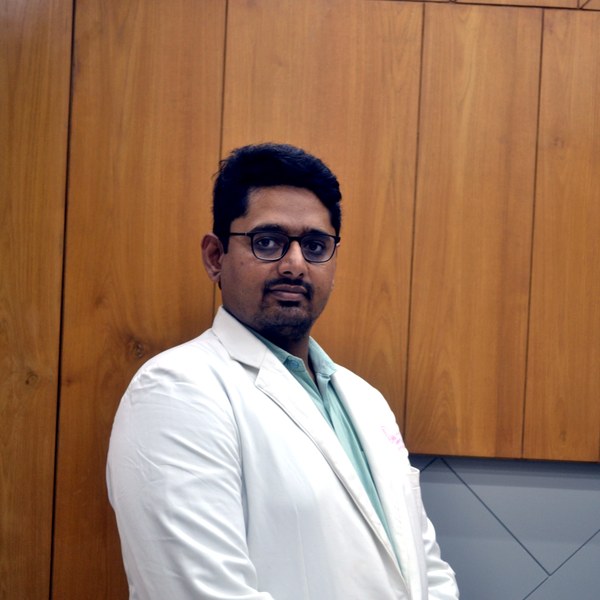
Dr Patel leads endometriosis diagnosis and surgery at Balaji Horizon with an evidence-based, ovarian-sparing philosophy aligned to ESHRE and ESGE — integrating pain, fertility and long-term disease control into a single plan, rather than treating the disease in isolation.
Imaging-led diagnosis, medical-first management, and precise surgery only when it is the right step — planned around your pain and fertility goals.
Dr. Priyadatt Patel
Senior Gynecologist · Advanced Laparoscopic Surgeon · IVF and Endometriosis Programme Lead
MS OBGyn · Pregnancy Care · Advanced Gynaecological Ultrasound · Fertility Preservation
ESHRE / ESGE / AAGL / ASRM guideline-aligned practice. 3D Karl Storz precision technique. Fertility-preservation-first philosophy. Evidence-based decisions, honest counselling, long-term outcomes orientation.
323, Satyamev Eminence, Beside Saptak Bungalows & AUDA Water Tank, Science City Road, Sola, Ahmedabad 380060
Open 24 hours (emergencies & labour) · OPD Mon–Sat 11:00–20:00 · +91 97234 31544
Naranpura, Ahmedabad
Mon–Sat 08:30–10:30 · +91 70460 02566