
Ectopic pregnancy — implantation of the embryo outside the uterine cavity, most commonly in the fallopian tube — is a gynaecological emergency. Laparoscopic surgery is the preferred approach for haemodynamically stable patients: salpingotomy (opening the tube and removing the ectopic, preserving the tube) or salpingectomy (removing the tube entirely) depending on tube condition, contralateral tube status, and patient fertility plans. Laparoscopic management results in shorter hospital stay and recovery compared to open surgery. We are available for emergency laparoscopic management of ectopic pregnancy at Balaji Horizon Women’s Hospital.
Advanced Laparoscopic Gynaecological Surgeon in Ahmedabad — Dr. Priyadatt Patel
Balaji Horizon Women’s Hospital is home to one of Ahmedabad’s dedicated advanced laparoscopic gynaecology programmes — led by Dr. Priyadatt Patel, Senior Gynecologist and Advanced Laparoscopic Surgeon. The programme focuses on minimally invasive, precision surgery for complex gynaecological conditions, with a particular emphasis on endometriosis excision, fertility-preserving surgery, and operative hysteroscopy. Every surgical decision is made with the patient’s long-term reproductive outcomes and quality of life as the primary measures of success.
What Is Advanced Laparoscopic Gynaecological Surgery?
Laparoscopic surgery — also called minimally invasive surgery or keyhole surgery — is performed through small incisions (typically 5–12 mm) using a camera (laparoscope) and long, slender instruments. In gynaecology, advanced laparoscopy refers to complex procedures beyond basic diagnostic or simple operative laparoscopy — including deep infiltrating endometriosis excision, myomectomy for multiple or large fibroids, laparoscopic hysterectomy, and reconstructive pelvic surgery.
Compared to open (laparotomy) surgery, advanced laparoscopy offers: significantly faster recovery (often 1–2 days in hospital versus 4–5 days for open surgery), less post-operative pain and blood loss, reduced adhesion formation (important for future fertility), smaller incisions with minimal scarring, and earlier return to normal activity. The trade-off is that advanced laparoscopic surgery requires a significantly higher level of surgical training and experience — particularly for complex conditions like deep infiltrating endometriosis, where bowel, bladder, and ureteric involvement must be precisely managed.
Laparoscopic Procedures Performed at Balaji Horizon Ahmedabad
Our surgical programme covers the full spectrum of advanced gynaecological laparoscopy. Each procedure below includes the indication and what distinguishes our approach:
Laparoscopic Excision of Endometriosis (Deep Infiltrating and Peritoneal)
Advanced laparoscopic endometriosis surgery at Balaji Horizon, Ahmedabad — serving women across Gujarat — means precise, fertility-preserving keyhole removal of disease rather than the largest possible operation. Endometriosis excision — surgical removal of endometriotic tissue — is the gold standard surgical treatment for endometriosis-related pain and fertility impairment. Excision (removing the disease at its root) is preferred over ablation (burning the surface) because it provides histological confirmation, treats deeper disease, and is associated with lower recurrence rates in multiple studies. At Balaji Horizon, endometriosis excision follows a systematic anatomical approach: the retroperitoneal space is entered, ureterolysis (identification and mobilisation of the ureters) is performed before excising deeply infiltrating nodules, and the bowel and bladder are assessed for involvement. Superficial peritoneal endometriosis, ovarian endometriomas, and deep infiltrating endometriosis (DIE) in the uterosacral ligaments, rectovaginal septum, and bladder are all within our surgical scope. Learn more: Endometriosis surgery and management at Balaji Horizon →
Laparoscopic Cystectomy for Endometrioma (Chocolate Cyst)
Ovarian endometriomas — commonly called chocolate cysts — are treated by laparoscopic cystectomy (surgical stripping of the cyst wall from the normal ovarian cortex). The surgical plane between the endometrioma wall and the healthy ovarian tissue is developed carefully to preserve as much normal ovarian cortex as possible. This is critical because aggressive cystectomy — particularly bilateral — can reduce AMH (ovarian reserve) significantly and permanently. At Balaji Horizon, cystectomy technique focuses on haemostasis with bipolar coagulation used minimally and precisely, preserving the ovarian vascular supply. The decision of whether to operate before IVF versus proceed directly is discussed with each patient individually, using ESHRE guidelines as the evidence framework. See: IVF for endometriosis — when to operate →
Laparoscopic Myomectomy
Myomectomy is the surgical removal of uterine fibroids while preserving the uterus — indicated for women with symptomatic fibroids who wish to preserve fertility, or where the fibroid location (submucosal, intramural distorting the cavity) is likely to impair implantation or pregnancy outcomes. Laparoscopic myomectomy is appropriate for most fibroids up to 8–10 cm and for multiple fibroids, though the decision depends on fibroid number, size, location, and uterine anatomy. The laparoscopic approach requires meticulous multi-layer uterine wall closure to ensure a strong scar — critical for safe pregnancy after myomectomy. Women planning IVF after myomectomy require a waiting period (typically 3–6 months) to allow the uterine scar to heal adequately.
Laparoscopic Hysterectomy (TLH and LAVH)
Total laparoscopic hysterectomy (TLH) removes the uterus and cervix entirely via the laparoscopic approach, with the specimen removed vaginally. It is indicated for: severe adenomyosis with completed family, large fibroids causing significant symptoms where uterine preservation is no longer required, severe endometriosis with extensive uterine involvement, or endometrial pathology. Laparoscopic hysterectomy offers faster recovery and fewer complications than abdominal hysterectomy. Laparoscopically assisted vaginal hysterectomy (LAVH) is used in selected cases. We preserve the ovaries in pre-menopausal women unless there is a specific oncological or ovarian indication for oophorectomy.
Diagnostic and Operative Laparoscopy for Infertility
Diagnostic laparoscopy — a definitive diagnostic procedure performed under general anaesthesia — remains the gold standard for diagnosing endometriosis, tubal disease, pelvic adhesions, and other causes of unexplained infertility not identified on ultrasound or HSG. At the same procedure, operative interventions can be performed: endometriosis excision, adhesiolysis (division of adhesions), tubal patency testing with chromopertubation, ovarian drilling for PCOS (in selected cases), and correction of minor uterine anomalies. We avoid purely diagnostic laparoscopy where possible — if the anatomy allows, we convert to therapeutic intervention in the same sitting.
Laparoscopic Adhesiolysis
Pelvic adhesions — fibrous bands forming between pelvic organs following previous surgery, infection (PID), or endometriosis — cause chronic pelvic pain and can distort tubal and ovarian anatomy, impairing natural conception and IVF access. Adhesiolysis (careful division of adhesions) under laparoscopic magnification restores normal anatomy and improves both fertility and pain. Adhesion prevention measures (use of anti-adhesion barriers where appropriate, careful tissue handling, and minimising raw peritoneal surfaces) are integral to our surgical technique.
Laparoscopic Salpingectomy and Proximal Tubal Occlusion
Hydrosalpinx — a damaged, fluid-filled fallopian tube — significantly reduces IVF success rates by retrograde leakage of inflammatory fluid into the uterine cavity. Laparoscopic salpingectomy (removal of the affected tube) or proximal tubal occlusion (blocking the tubal opening at the uterus) is recommended before IVF in women with confirmed hydrosalpinx. This is a relatively straightforward laparoscopic procedure that substantially improves IVF implantation and live birth rates — the evidence from multiple RCTs is consistent. We identify hydrosalpinx on HSG, ultrasound, or diagnostic laparoscopy and counsel accordingly.
Laparoscopic Management of Tubal Pregnancy (Ectopic)
Ectopic pregnancy — implantation of the embryo outside the uterine cavity, most commonly in the fallopian tube — is a gynaecological emergency. Laparoscopic surgery is the preferred approach for haemodynamically stable patients: salpingotomy (opening the tube and removing the ectopic, preserving the tube) or salpingectomy (removing the tube entirely) depending on tube condition, contralateral tube status, and patient fertility plans. Laparoscopic management results in shorter hospital stay and recovery compared to open surgery. We are available for emergency laparoscopic management of ectopic pregnancy at Balaji Horizon Women’s Hospital.
Operative Hysteroscopy
Hysteroscopy is the direct visualisation of the uterine cavity using a thin telescope (hysteroscope) passed through the cervix. Operative hysteroscopy allows diagnosis and simultaneous treatment of: endometrial polyps (polypectomy), submucosal fibroids (hysteroscopic myomectomy — TCRM), uterine septum (metroplasty), intrauterine adhesions — Asherman’s syndrome (adhesiolysis), and abnormal uterine bleeding with endometrial abnormality. For women preparing for IVF, hysteroscopy ensures the uterine cavity is anatomically normal and optimally receptive for embryo transfer. Office hysteroscopy (without general anaesthesia) is used for diagnostic purposes and minor polyp removal; operative hysteroscopy for larger interventions is performed under short general anaesthesia.
Conditions Treated with Advanced Laparoscopic Surgery at Balaji Horizon
- Endometriosis — peritoneal, ovarian, and deep infiltrating (uterosacral, rectovaginal, bladder, bowel surface)
- Ovarian endometriomas (chocolate cysts) — laparoscopic cystectomy with ovarian reserve preservation
- Uterine fibroids — laparoscopic myomectomy (fertility-preserving) or laparoscopic hysterectomy (family complete)
- Adenomyosis — laparoscopic hysterectomy or adenomyomectomy where indicated; medical management where not
- Ovarian cysts — dermoid cysts, functional cysts, mucinous/serous cystadenomas — laparoscopic cystectomy or oophorectomy
- Hydrosalpinx — salpingectomy or proximal tubal occlusion before IVF
- Tubal factor infertility — adhesiolysis, tubo-plasty in selected cases, or counselling toward IVF
- Pelvic adhesions — adhesiolysis restoring normal anatomy
- Ectopic pregnancy — emergency or elective laparoscopic management
- Polycystic ovary syndrome (PCOS) — laparoscopic ovarian drilling in selected cases of clomiphene-resistant PCOS
- Uterine anomalies — septum resection, bicornuate uterus assessment
- Chronic pelvic pain — diagnostic and therapeutic laparoscopy to identify and treat the underlying cause
- Abnormal uterine bleeding — hysteroscopic evaluation and treatment; endometrial ablation in selected cases
Our Surgical Philosophy — Precision, Preservation, Long-Term Outcomes
Surgery is not a solution to be offered first, last, or without careful indication. At Balaji Horizon, our surgical philosophy is built on four principles:
1. Precise Indication Before Every Procedure
We do not operate because a cyst is present, a fibroid is visible, or a patient requests it. We operate when the procedure is expected to improve the patient’s outcome — in terms of pain, fertility, or quality of life — in a way that conservative or medical management cannot achieve. Every surgical recommendation is accompanied by a discussion of indications, expected outcomes, alternatives, and risks.
2. Fertility Preservation as a Non-Negotiable Outcome
For women of reproductive age who wish to conceive, preserving ovarian reserve and uterine integrity is as important as treating the underlying condition. We measure cystectomy technique by how little normal ovarian cortex is damaged, not by how quickly the cyst is removed. We use bipolar coagulation sparingly and precisely. We close uterine defects after myomectomy in multiple layers. We avoid unnecessary oophorectomy. Every surgical decision is assessed through the lens of its reproductive consequences.
3. Anatomical Mastery and Retroperitoneal Dissection
Advanced gynaecological laparoscopy — particularly for endometriosis — requires entering the retroperitoneal space and identifying the ureter, uterine artery, and major pelvic vessels before excising deeply infiltrating disease. This is the key technical skill that distinguishes experienced endometriosis surgeons from general gynaecologists performing laparoscopy. At Balaji Horizon, ureterolysis is performed as a routine step in deep endometriosis surgery. We do not excise where we cannot see, and we do not coagulate where we cannot identify.
4. Long-Term Disease Control, Not One-Time Intervention
Endometriosis recurs. Fibroids can regrow. Adhesions can reform. Surgery is one part of a long-term management plan — not the endpoint. Every patient undergoing laparoscopic surgery at Balaji Horizon leaves with a post-operative management plan: hormonal suppression for endometriosis where indicated, surveillance schedule, fertility plan, and defined criteria for considering re-intervention. We do not measure success by completing a procedure; we measure it by what happens to the patient over the next 5 years.
About Dr. Priyadatt Patel — Advanced Laparoscopic Surgeon, Ahmedabad
Dr. Priyadatt Patel — Senior Gynecologist · Advanced Laparoscopic Surgeon · IVF and Endometriosis Programme Lead
Dr. Patel is a fellowship-trained advanced laparoscopic gynaecological surgeon with a dedicated focus on endometriosis, fertility-preserving surgery, and reproductive medicine. He is among a small number of gynaecologists in Gujarat who simultaneously lead a surgical programme and a reproductive medicine/IVF programme — allowing him to provide fully integrated care for patients at the interface of gynaecological surgery and fertility treatment.
Published surgical work: Dr. Patel has a peer-reviewed surgical video published with WebSurg/IRCAD Strasbourg — one of the world’s leading laparoscopic surgery platforms — demonstrating right-sided isolated tubal torsion with tube-sparing ovarian plication (doi: vd01en7064). He is also published in IJRCOG (2023, DOI: 10.18203/2320-1770.ijrcog20230831).
Dr. Patel practices at Balaji Horizon Women’s Hospital, Science City Road, Ahmedabad — and at the AEC Clinic, 132 Ft Ring Road, Naranpura, Ahmedabad. He is available for second opinion consultations for patients who have been advised complex surgery, repeated laparoscopy, or hysterectomy. Book a second opinion →
When to See a Laparoscopic Gynaecologist — Warning Signs Not to Ignore
Many patients wait years before being referred to a surgical gynaecologist. Seek an urgent opinion from a laparoscopic gynaecologist if you experience:
- Severe, worsening dysmenorrhoea (period pain) that does not respond to NSAIDs or oral contraceptives
- Chronic pelvic pain lasting more than 6 months, with or without a known diagnosis
- Deep dyspareunia (pain during or after sexual intercourse) — a specific symptom of deep infiltrating endometriosis
- Cyclical bowel symptoms (dyschezia — painful defecation during menstruation) — strongly suggestive of rectovaginal or bowel endometriosis
- Cyclical bladder symptoms (haematuria, painful urination during menstruation) — suggestive of bladder endometriosis
- Ovarian cyst confirmed on ultrasound, particularly if bilateral, complex, or growing
- Infertility with unexplained cause after basic investigations
- Known fibroids causing heavy bleeding, pelvic pressure, or reproductive difficulty
- Prior IVF failure with suspected uterine or pelvic factor
- History of pelvic inflammatory disease (PID) with suspected tubal or pelvic adhesive disease
Frequently Asked Questions — Laparoscopic Gynaecology, Ahmedabad
Is laparoscopic surgery safe for complex gynaecological conditions?
Yes, in experienced hands. Advanced laparoscopic gynaecology has a well-established safety profile when performed by trained surgeons. The key is appropriate patient selection, surgeon experience, and access to the right instruments and support. Complex conditions such as deep infiltrating endometriosis carry higher inherent risk (bowel, bladder, ureteric injury) — risks that are minimised by systematic retroperitoneal dissection, careful anatomical identification, and conservative decision-making intra-operatively. We will discuss the specific risks of your planned procedure at your pre-operative consultation.
How long does recovery take after laparoscopic surgery?
Most patients are discharged 24–48 hours after laparoscopic gynaecological surgery. Return to light activities occurs within 1–2 weeks. Return to full activity, exercise, and sexual intercourse is typically at 4–6 weeks, depending on the procedure. Simple procedures (cystectomy, polypectomy, adhesiolysis) allow faster recovery. More complex procedures (extensive endometriosis excision, laparoscopic hysterectomy, myomectomy with large fibroids) may require 4–6 weeks before full recovery. We provide individualised post-operative instructions and a follow-up appointment at 2 and 6 weeks.
Will laparoscopic surgery for endometriosis cure my condition permanently?
Endometriosis is a chronic, hormonally driven condition. Surgical excision controls — not cures — the disease. Published recurrence rates vary from 10–50% over 5 years, depending on the extent of disease excised, post-operative hormonal suppression, patient age, and ovarian activity. The best outcomes are achieved when excision surgery is complete and thorough, followed by appropriate post-operative hormonal management (dienogest, combined OCP, GnRH analogue — chosen based on the patient’s reproductive plans). We discuss the post-operative plan in detail before surgery, not after.
How many laparoscopic surgeries are too many for endometriosis?
This is one of the most important questions in endometriosis surgery. Repeat cystectomy causes cumulative, often irreversible damage to ovarian reserve. Women who have had two or more ovarian cystectomies — particularly bilateral — may have significantly reduced AMH and antral follicle counts. At Balaji Horizon, we are cautious about recommending repeat surgery for recurrent endometriomas in women with remaining fertility goals. The indication, timing, and surgical approach for each operation must be carefully justified. In many cases, IVF is a better next step than a third cystectomy.
Can I conceive naturally after laparoscopic surgery?
Yes, for many patients. Laparoscopic surgery that addresses the mechanical cause of infertility (hydrosalpinx removal, adhesiolysis, endometrioma cystectomy, uterine septum resection) can restore the conditions for natural conception. However, the likelihood of natural conception depends on age, ovarian reserve, tube function, sperm parameters, and the underlying diagnosis. We give individualised counselling on the realistic chances of natural conception after surgery versus proceeding directly to IVF — because in some cases, surgery first and IVF later is the right sequence, while in others, IVF directly is more efficient.
Should I get a second opinion before gynaecological surgery?
For any non-emergency surgery, yes. Particularly for complex conditions like endometriosis, large fibroids, ovarian cysts, or conditions involving the bowel, bladder, or ureter. A second surgical opinion is not a sign of distrust — it is a sign of an informed patient. At Balaji Horizon, we offer structured second opinion consultations for patients who have been advised surgery elsewhere. We review all prior imaging, investigations, and proposed surgical plans, and provide an independent assessment. Learn more about our second opinion service →
Related Services
- Endometriosis — diagnosis, surgery, and long-term management →
- IVF Centre in Ahmedabad — integrated fertility care →
- IVF for endometriosis-related infertility →
- Second opinion before surgery →
- Fertility preservation — egg and embryo freezing →
Consult Dr. Priyadatt Patel — Advanced Laparoscopic Surgeon, Ahmedabad
If you have been advised laparoscopic surgery, have a gynaecological condition requiring surgical evaluation, or wish to discuss your options before deciding on an operation — book a consultation at Balaji Horizon Women’s Hospital. Bring all prior ultrasound reports, MRI scans, previous operative notes, and investigation results.
Hospital: 323, Satyamev Eminence, Beside Saptak Bungalows & AUDA Water Tank, Science City Road, Sola, Ahmedabad 380060 · +91 97234 31544
Clinic: 132 Ft Ring Road, Naranpura, Ahmedabad 380013 · +91 70460 02566
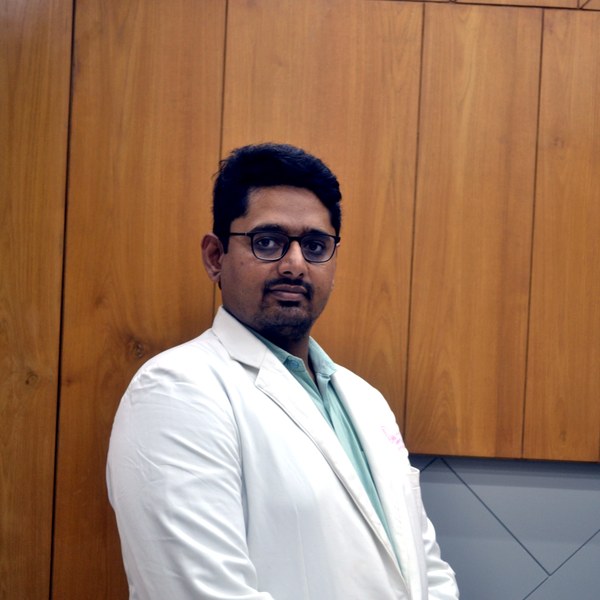
Dr Patel performs advanced minimal-access (laparoscopic and hysteroscopic) surgery at Balaji Horizon with a precision, organ- and fertility-sparing philosophy — operating when it is clearly indicated, and offering conservative options when it is not.
Minimal-access, organ-sparing surgery and evidence-based gynaecology — with a clear, honest plan built around your priorities.
Book a consultationRelated: When persistent or recurring pelvic pain is part of the picture, our Chronic Pelvic Pain Specialist in Ahmedabad explains the common causes, how the problem is evaluated, and the evidence-based treatment options.
Dr. Priyadatt Patel
MS OBGyn · Pregnancy Care · Advanced Gynaecological Ultrasound · Fertility Preservation
ESHRE / ESGE / AAGL / ASRM guideline-aligned practice. 3D Karl Storz precision technique. Fertility-preservation-first philosophy. Evidence-based decisions, honest counselling, long-term outcomes orientation.
323, Satyamev Eminence, Beside Saptak Bungalows & AUDA Water Tank, Science City Road, Sola, Ahmedabad 380060
Open 24 hours (emergencies & labour) · OPD Mon–Sat 11:00–20:00 · +91 97234 31544
Naranpura, Ahmedabad
Mon–Sat 08:30–10:30 · +91 70460 02566