
Pregnancy After Endometriosis — Integrated Antenatal Care
Pregnancy in women with a history of endometriosis carries specific obstetric considerations — placental complications, preterm birth, adhesion-related issues, and ongoing fertility-protection thinking. This page covers what to expect during pregnancy after endometriosis.
1. Pregnancy and endometriosis disease activity
Pregnancy and breastfeeding typically suppress endometriosis disease activity through hormonal changes (high progesterone, no menstruation). Symptoms often improve substantially during pregnancy. This is temporary — symptoms typically return after menstruation resumes. Pregnancy is not a treatment for endometriosis but provides a temporary natural pause.
2. Obstetric risks — what evidence shows
Endometriosis associated with: slightly higher preterm birth rates (1.5–2x), placental complications (placenta praevia, placental abruption — small absolute increase), preeclampsia (modest increase), small-for-gestational-age babies, caesarean delivery rates. Most pregnancies progress normally; awareness of risks allows appropriate surveillance.
3. Preconception planning
Pre-pregnancy consultation with both gynaecologist and obstetrician. AMH and fertility status assessed. Disease optimisation before conception. Surgical considerations (residual disease, adhesions) noted. Folate supplementation. Vitamin D optimisation. BMI optimisation if needed. Iron and thyroid status checked.
4. First trimester care
Standard booking visit and investigations. Early ultrasound to confirm viability. Discussion of disease-specific risks. Continuation of folate and any prescribed supplements. Avoid NSAIDs (which had been used for pain). Watch for early bleeding (slight increase in miscarriage risk). Maintain specialist relationship for any concerning symptoms.
5. Second trimester surveillance
Detailed anomaly scan at 18–22 weeks. Cervical length assessment in selected cases (preterm risk). Growth scans if indicated. Awareness of placental position (slight increase in placenta praevia risk). Mental health monitoring (women with chronic pain history have higher antenatal depression risk).
6. Third trimester care
Regular antenatal visits with attention to preterm labour signs, preeclampsia surveillance, fetal growth, placental function. Discussion of delivery plan — vaginal versus elective caesarean. Adhesions from previous endometriosis surgery may complicate caesarean if needed. Birth plan discussion with obstetric team.
7. Delivery considerations
Vaginal delivery is appropriate for most women with endometriosis history. Caesarean for obstetric indications, not endometriosis history alone. Previous extensive endometriosis surgery may make caesarean technically more complex due to adhesions. Adequate analgesia plan. Anaesthesia consult if multiple prior surgeries.
8. Postnatal period and beyond
Endometriosis symptoms may not return until menstruation resumes (variable timing depending on breastfeeding). Resume hormonal management at appropriate time. Contraception planning critical — pregnancy soon after may be physiologically and emotionally challenging. Long-term follow-up resumes. Pregnancy and breastfeeding may have lasting beneficial effect on disease for some women, but recurrence is common.
Pregnancy after endometriosis — what changes
| Consideration | Why it matters |
|---|---|
| Slightly higher-risk antenatal care | Modestly increased obstetric risks |
| Placental & preterm monitoring | Evidence of modestly raised risk |
| Pain often eases in pregnancy | Hormonal suppression of disease |
| Continuity of care | Ideally the team that managed your endometriosis |
Aligned with current international evidence, not habit.
Frequently Asked Questions
Will endometriosis affect my pregnancy?
Will my endometriosis pain go away during pregnancy?
Can I have a vaginal delivery?
Should I see a specialist obstetrician?
Will pregnancy cure my endometriosis?
Are there medications I should avoid?
What about recurrent miscarriage with endometriosis?
When can I plan another pregnancy?
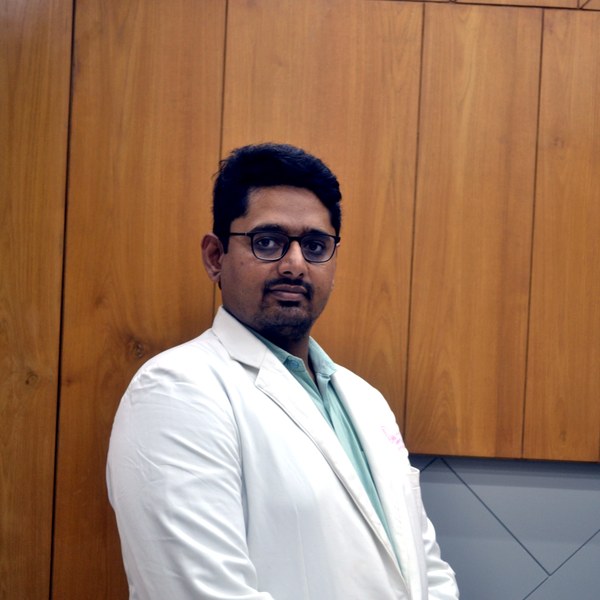
Dr Patel leads endometriosis diagnosis and surgery at Balaji Horizon with an evidence-based, ovarian-sparing philosophy aligned to ESHRE and ESGE — integrating pain, fertility and long-term disease control into a single plan, rather than treating the disease in isolation.
Imaging-led diagnosis, medical-first management, and precise surgery only when it is the right step — planned around your pain and fertility goals.
Dr. Priyadatt Patel
Senior Gynecologist · Advanced Laparoscopic Surgeon · IVF and Endometriosis Programme Lead
MS OBGyn · Pregnancy Care · Advanced Gynaecological Ultrasound · Fertility Preservation
ESHRE / ESGE / AAGL / ASRM guideline-aligned practice. 3D Karl Storz precision technique. Fertility-preservation-first philosophy. Evidence-based decisions, honest counselling, long-term outcomes orientation.
323, Satyamev Eminence, Beside Saptak Bungalows & AUDA Water Tank, Science City Road, Sola, Ahmedabad 380060
Open 24 hours (emergencies & labour) · OPD Mon–Sat 11:00–20:00 · +91 97234 31544
Naranpura, Ahmedabad
Mon–Sat 08:30–10:30 · +91 70460 02566