
Integrated Endometriosis Care Pathway
Endometriosis is a chronic disease spanning decades — adolescence to menopause. Care is most effective when it is integrated across the patient journey: first symptom recognition, diagnosis, treatment planning, fertility integration, pregnancy support, and long-term follow-up. This page describes how that integration works in practice.
1. First symptom recognition
Many patients arrive with years of unrecognised symptoms. Initial consultation includes structured history covering pain pattern, bleeding, bowel and bladder symptoms, dyspareunia, fertility goals, and quality-of-life impact. Symptom diaries valued. The initial visit prioritises listening over rushing to investigation.
2. Structured diagnostic workup
Clinical examination, expert transvaginal ultrasound using IDEA consensus protocol, MRI for complex deep disease, and selective hysteroscopy for cavity assessment. Laparoscopy reserved for cases where it changes management. AMH and antral follicle count for reproductive-age patients. Workup organised to minimise duplicate testing.
3. Diagnosis communication and education
Diagnosis communicated clearly with imaging shown, stage discussed, and prognosis framed honestly. Written summary provided. Patient education materials reviewed. Questions encouraged. Time taken to ensure understanding before treatment decisions.
4. Individualised treatment planning
Treatment plan built around patient priorities — pain, fertility, contraception, quality of life. Options presented with evidence base. Medical management as foundation in most cases; surgery when warranted; IVF when fertility is the priority and timing supports it. Plans documented and reviewed periodically.
5. Fertility integration
For reproductive-age patients, fertility implications considered at every step. AMH baseline established. Egg freezing discussed where indicated. Surgery-versus-IVF-first decisions individualised per ESHRE 2022 framework. Reproductive medicine and surgical decisions made together, not sequentially.
6. Pregnancy support
Patients conceiving after endometriosis treatment receive integrated antenatal care. Recognition of higher placental complication risks, attention to adhesion-related concerns, careful planning for caesarean indications. Continuity from preconception through delivery.
7. Long-term follow-up
Annual review minimum standard. Symptom monitoring, medication tolerance, fertility planning updates, mental health screening, quality-of-life check-ins. Open access for symptom changes between scheduled visits. Long-term partnership, not one-time consultation.
8. Menopause and post-reproductive care
Endometriosis activity reduces after menopause but persistent and recurrent disease exists. Hormone therapy decisions individualised. Continued surveillance for ovarian and uterine pathology. Care continues across life stages — patient relationship spans decades, not single episodes.
The integrated care pathway
| Stage | What happens |
|---|---|
| Assessment | Symptoms, expert imaging, ovarian reserve |
| Planning | Medical / surgical / fertility sequence |
| Treatment | Coordinated across specialties |
| Follow-up | Long-term disease control |
Aligned with current international evidence, not habit.
Frequently Asked Questions
What does integrated care actually mean?
Will I see the same doctor across years?
How often do I need follow-up?
What if my symptoms change between visits?
Does integrated care cost more?
What if I move cities or countries?
Will integrated care help my mental health?
How is care during pregnancy after endometriosis?
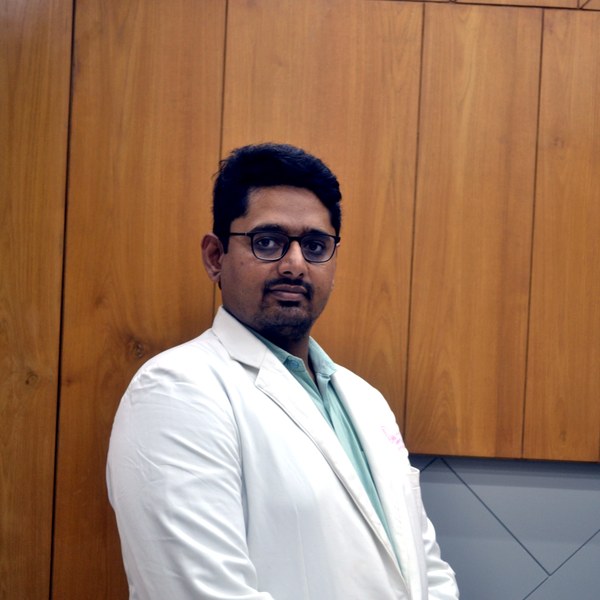
Dr Patel leads endometriosis diagnosis and surgery at Balaji Horizon with an evidence-based, ovarian-sparing philosophy aligned to ESHRE and ESGE — integrating pain, fertility and long-term disease control into a single plan, rather than treating the disease in isolation.
Imaging-led diagnosis, medical-first management, and precise surgery only when it is the right step — planned around your pain and fertility goals.
Free Patient Guide
The Endometriosis Decision Guide
A short clinical primer on diagnostic delay, the four decisions you may face, and what to bring to your specialist consultation. Aligned with ESHRE 2022, ASRM, FIGO guidance.
Reviewed by Dr. Priyadatt Patel — read in 20–25 minutes
Free — delivered to your inbox
Dr. Priyadatt Patel
Senior Gynecologist · Advanced Laparoscopic Surgeon · IVF and Endometriosis Programme Lead
MS OBGyn · Pregnancy Care · Advanced Gynaecological Ultrasound · Fertility Preservation
ESHRE / ESGE / AAGL / ASRM guideline-aligned practice. 3D Karl Storz precision technique. Fertility-preservation-first philosophy. Evidence-based decisions, honest counselling, long-term outcomes orientation.
323, Satyamev Eminence, Beside Saptak Bungalows & AUDA Water Tank, Science City Road, Sola, Ahmedabad 380060
Open 24 hours (emergencies & labour) · OPD Mon–Sat 11:00–20:00 · +91 97234 31544
Naranpura, Ahmedabad
Mon–Sat 08:30–10:30 · +91 70460 02566