
Postmenopausal Endometriosis — When Disease Persists
Endometriosis is usually considered a disease of reproductive-age women, but disease activity can persist or recur after menopause. This page covers when postmenopausal endometriosis develops, the diagnostic challenges, and management considerations including hormone therapy decisions.
1. Why disease may persist
Most endometriosis activity declines after menopause due to oestrogen withdrawal. But residual lesions can persist. Peripheral aromatisation in adipose tissue produces local oestrogen even after ovarian failure. Endometriotic lesions express aromatase locally, generating their own oestrogen. Hormone replacement therapy can reactivate dormant disease. Approximately 2–4 percent of endometriosis cases present after menopause.
2. Clinical presentation
Persistent pelvic pain (may be similar to reproductive-age symptoms). Ovarian masses on routine imaging — must be evaluated for both endometriosis and malignancy. Bowel symptoms — endometriosis can mimic colorectal pathology. Urinary symptoms. Postmenopausal bleeding — though not typical of endometriosis, requires full evaluation. Incidental finding on imaging for other reasons.
3. The malignancy question
Critical consideration — endometriosis-associated ovarian cancer (clear cell and endometrioid types) is a recognised long-term risk. Postmenopausal ovarian masses with endometrioma features need careful evaluation. MRI characterisation. CA-125 with HE4 (Risk of Ovarian Malignancy Algorithm). Surgical assessment if features concerning. Cannot assume an ovarian mass in postmenopausal endometriosis patient is benign.
4. Diagnosis
Pelvic ultrasound — IDEA protocol still applies. MRI essential for malignancy evaluation. CA-125 and HE4. Endometrial biopsy if abnormal bleeding. Surgical biopsy if suspicious features. Lower threshold for surgical intervention compared to premenopausal disease due to malignancy concerns.
5. HRT decisions
HRT can reactivate dormant endometriosis. Risk depends on disease severity, residual lesions, and HRT type. Combined estrogen-progestin preferred over estrogen-only. Continuous combined HRT may reduce reactivation risk vs sequential. Patients should be counselled about symptoms suggesting reactivation. Surveillance during HRT use.
6. Symptom management
Hormone-suppression options limited (already postmenopausal). Aromatase inhibitors (letrozole, anastrozole) — block peripheral oestrogen production and locally in lesions. Surgical management of symptomatic disease. Pain medication for refractory symptoms. Pelvic floor physiotherapy still valuable.
7. Surgical considerations
Lower threshold for surgery due to malignancy concerns. Definitive hysterectomy with bilateral salpingo-oophorectomy may be appropriate. Histological assessment of all removed tissue. Bowel/bladder/ureteric involvement managed multidisciplinary. Recovery considerations for older patients.
8. Long-term monitoring
Annual pelvic examination and ultrasound. CA-125 surveillance in selected cases. Pap and HPV screening continues per general guidelines. Patient education about reactivation symptoms during HRT. Open access for symptom changes.
Postmenopausal endometriosis
| Issue | Why it matters |
|---|---|
| New or persistent disease | Can occur after menopause |
| HRT effect | Oestrogen can reactivate disease |
| Malignancy risk | Low but real — investigate masses |
| Management | Often surgical if symptomatic |
Aligned with current international evidence, not habit.
Frequently Asked Questions
Does endometriosis go away after menopause?
Can I take HRT if I have history of endometriosis?
Is postmenopausal endometriosis dangerous?
What treatments work for postmenopausal endometriosis?
Should I have surgery if I have an ovarian mass after menopause?
How often should I be monitored?
Can endometriosis cause postmenopausal bleeding?
Is there an increased cancer risk?
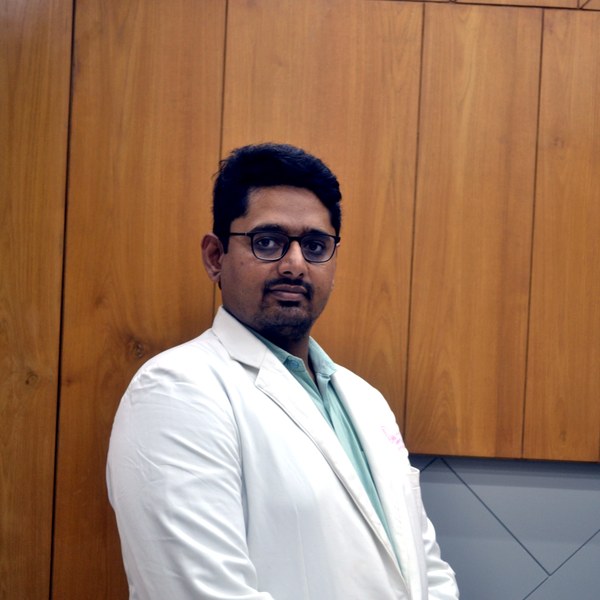
Dr Patel leads endometriosis diagnosis and surgery at Balaji Horizon with an evidence-based, ovarian-sparing philosophy aligned to ESHRE and ESGE — integrating pain, fertility and long-term disease control into a single plan, rather than treating the disease in isolation.
Imaging-led diagnosis, medical-first management, and precise surgery only when it is the right step — planned around your pain and fertility goals.
Dr. Priyadatt Patel
Senior Gynecologist · Advanced Laparoscopic Surgeon · IVF and Endometriosis Programme Lead
MS OBGyn · Pregnancy Care · Advanced Gynaecological Ultrasound · Fertility Preservation
ESHRE / ESGE / AAGL / ASRM guideline-aligned practice. 3D Karl Storz precision technique. Fertility-preservation-first philosophy. Evidence-based decisions, honest counselling, long-term outcomes orientation.
323, Satyamev Eminence, Beside Saptak Bungalows & AUDA Water Tank, Science City Road, Sola, Ahmedabad 380060
Open 24 hours (emergencies & labour) · OPD Mon–Sat 11:00–20:00 · +91 97234 31544
Naranpura, Ahmedabad
Mon–Sat 08:30–10:30 · +91 70460 02566