
Living with Endometriosis — Daily Tips That Actually Help
Endometriosis is a chronic disease that touches every part of daily life — work, exercise, intimacy, sleep, food. This page distils evidence-based strategies for living well with endometriosis, from heat therapy and pacing to sleep, partner conversations and when to escalate care.
1. Understand your flare pattern
Keep a 3-month symptom diary tracking pain, bleeding, bowel and urinary symptoms, mood, sleep and triggers. Patterns emerge — premenstrual flare, post-coital pain, exercise-induced pain — that inform both lifestyle changes and clinical conversations. Apps like Phendo and Clue make this easy.
2. Heat, posture and movement
Heat (hot water bottle, heat patches, warm baths) is reliably effective for pelvic pain — evidence-based and underused. Movement at low intensity (walking, swimming, gentle yoga) reduces pain in most patients. Prolonged sitting and high-impact exercise can flare symptoms. Pacing — short, frequent activity rather than long sessions — works better than rigid programmes.
3. Anti-inflammatory eating without dogma
Mediterranean pattern (vegetables, fruits, whole grains, olive oil, fish, legumes) is the most evidence-based approach. Ultra-processed food, trans fats and excessive alcohol worsen inflammation. Specific restrictive diets (gluten-free, dairy-free) help some patients but lack consistent evidence — use food diary to identify your personal triggers.
4. Pain management — what works beyond NSAIDs
NSAIDs remain first-line for menstrual pain; take 24 hours before period rather than after pain starts. Heat, TENS units, pelvic floor physiotherapy, mindfulness-based pain rehabilitation, and tricyclic or gabapentinoid neuropathic agents in severe cases. Escalating opioid use is rarely effective and creates new problems.
5. Sleep — the underrated treatment
Chronic pain disrupts sleep; poor sleep amplifies pain. Sleep hygiene basics — consistent timing, dark cool room, reduced screen time before bed, no alcohol — improve next-day pain in many patients. Treating sleep apnoea (often coexisting with chronic pain) makes a measurable difference.
6. Sex, intimacy and the partner conversation
Deep dyspareunia is common in endometriosis. Open conversation, lubricants, positional adjustments and pelvic floor physiotherapy all help. Intercourse during the painful phase is not obligatory; non-penetrative intimacy preserves connection. Couples therapy is valuable when pain has disrupted the sexual relationship.
7. Work and career
Use period-tracking to plan demanding work around predictable flares. Honest conversation with HR about flexible working has become more common. Document patterns to support medical leave claims if needed. Career trajectory and endometriosis can coexist — but pretending the disease does not exist costs more than acknowledging it.
8. When to escalate care
Symptoms not controlled by current treatment; pain progressing in pattern or severity; new bowel/bladder symptoms; difficulty conceiving; mental health decline; symptoms affecting work or daily function. Endometriosis management needs review every 6–12 months even when stable — treatment options evolve and your needs change.
Frequently Asked Questions
How can I manage endometriosis pain at home?
Should I exercise during a flare?
Do I need to follow a strict diet?
How can I talk to my partner about endometriosis pain?
When should I see my doctor again?
Is it normal to feel depressed with endometriosis?
Will pregnancy cure my endometriosis?
How do I find a good endometriosis specialist?

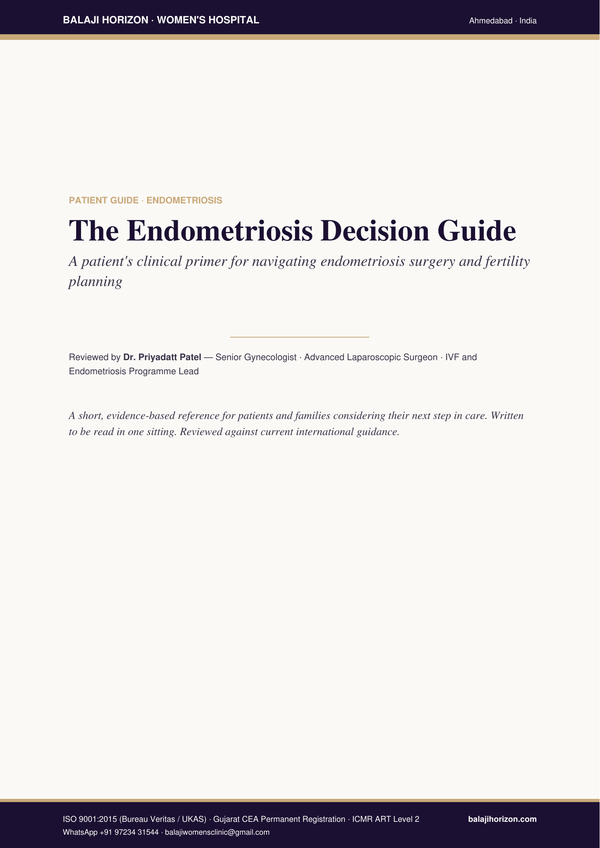
Free Patient Guide
The Endometriosis Decision Guide
A short clinical primer on diagnostic delay, the four decisions you may face, and what to bring to your specialist consultation. Aligned with ESHRE 2022, ASRM, FIGO guidance.
Get the guide →