
Endometriosis Symptoms — A Comprehensive Map
Endometriosis symptoms are diverse, often cyclical, and frequently misattributed. The average diagnostic delay for endometriosis is 6–10 years internationally, and longer in many regions of India. That delay is rarely a failure of disease severity — it is a failure of pattern recognition. Symptoms cluster across four families (pelvic pain, bowel, urinary, dyspareunia) and the severity of those symptoms correlates poorly with the extent of underlying disease. Pattern recognition by the patient and the clinician, together, is the single most important step toward earlier diagnosis.
Our approach to symptom assessment
At Balaji Horizon, every new endometriosis consultation begins with a structured symptom inventory: a menstrual and pain diary, a systematic review of bowel and bladder symptoms across the cycle, sexual function review, fertility goals, and family history. None of these is checked by way of a single screening question. The diary is the strongest predictor of an endometriosis diagnosis when expert imaging is added. Where indication is clear, we proceed to expert transvaginal ultrasound using the ISUOG IDEA consensus protocol — a far more sensitive examination than routine pelvic ultrasound. MRI mapping is added when deep infiltrating disease is suspected.
The four cardinal symptom families
Pelvic pain is the most common presenting complaint. Dysmenorrhoea that interferes with daily activity, chronic pelvic pain between menstrual cycles, and ovulation pain all fall in this group. Pain that is cyclical at first and becomes continuous suggests deeper disease.
Bowel symptoms — painful defecation (dyschezia), cyclical changes in stool form, rectal bleeding around menstruation — are often misdiagnosed as irritable bowel syndrome for years before endometriosis is considered. Per ESHRE 2022, a cyclical pattern is the key differentiator.
Urinary symptoms — cyclical bladder pain, urinary frequency, haematuria around menstruation — raise concern for bladder or ureteric involvement. A normal urine culture does not exclude endometriosis-related bladder disease.
Dyspareunia, particularly with deep penetration, is strongly associated with deep infiltrating endometriosis in the posterior compartment. This symptom is under-disclosed unless asked about directly.
Why symptoms are missed
Pain is normalised as part of menstruation. Symptoms are attributed to IBS or recurrent infections. A normal-appearing pelvic exam reassures the clinician. A normal routine pelvic ultrasound is taken as ruling out disease. The cyclical nature of symptoms is not asked about. None of these is reliable. Both a normal examination and a normal routine ultrasound can co-exist with significant endometriosis. The diagnostic delay is, in most patients, the cost of missing these patterns.
Explore the symptom areas
Each symptom family is covered in depth below. Where one family dominates, treatment decisions follow a different pathway.
Bladder Endometriosis — Specialised Diagnosis and Surgery
Explore →
Bowel Symptoms in Endometriosis — Often Missed, Important
Explore →
Dyspareunia in Endometriosis — Painful Intercourse
Explore →
Endometriosis Symptoms: 8 Key Signs and Patterns
Explore →
Urinary Symptoms in Endometriosis — Bladder and Ureteric Disease
Explore →
Guidelines we follow
- ESHRE Guideline on Endometriosis (2022) — symptom recognition + initial assessment
- ESGE consensus on operative pathways
- ISUOG-IDEA consensus protocol for sonographic assessment of pelvic endometriosis
- AAGL practice guidelines on the diagnosis and management of endometriosis
Where this fits in your care pathway
Recognising the pattern is the first step. From here, the structured pathway moves to expert diagnosis, then to individualised treatment decisions, with fertility implications integrated from the start. For day-to-day management, see living with endometriosis.
For a specialist consultation, contact Balaji Horizon Women’s Hospital.
WhatsApp the hospital · +91 97234 31544 · Science City Road, Ahmedabad 380060
Free Patient Guide
The Endometriosis Decision Guide
A short clinical primer on diagnostic delay, the four decisions you may face, and what to bring to your specialist consultation. Aligned with ESHRE 2022, ASRM, FIGO guidance.
Reviewed by Dr. Priyadatt Patel — read in 20–25 minutes
Free — delivered to your inbox
Symptom groups in endometriosis
| Group | Examples |
|---|---|
| Pain | Periods, intercourse, chronic pelvic |
| Bowel | Cyclical pain, bloating |
| Urinary | Cyclical painful urination |
| Fertility | Difficulty conceiving |
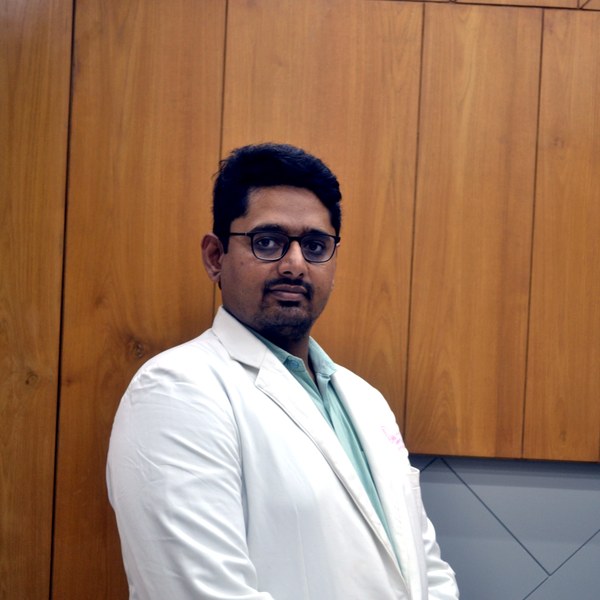
Dr Patel leads endometriosis diagnosis and surgery at Balaji Horizon with an evidence-based, ovarian-sparing philosophy aligned to ESHRE and ESGE — integrating pain, fertility and long-term disease control into a single plan, rather than treating the disease in isolation.
Imaging-led diagnosis, medical-first management, and precise surgery only when it is the right step — planned around your pain and fertility goals.
Dr. Priyadatt Patel
Senior Gynecologist · Advanced Laparoscopic Surgeon · IVF and Endometriosis Programme Lead
MS OBGyn · Pregnancy Care · Advanced Gynaecological Ultrasound · Fertility Preservation
ESHRE / ESGE / AAGL / ASRM guideline-aligned practice. 3D Karl Storz precision technique. Fertility-preservation-first philosophy. Evidence-based decisions, honest counselling, long-term outcomes orientation.
Science City Road, Ahmedabad 380060
Mon–Sat 11:00–20:00 · +91 97234 31544
Naranpura, Ahmedabad
Mon–Sat 08:30–10:30 · +91 70460 02566