

Endometriosis Diagnosis Pathway — A Structured Approach
Endometriosis diagnosis is a structured pathway, not a single test. Diagnostic delay remains the single biggest unsolved problem in endometriosis care globally. A systematic approach — clinical suspicion, then expert ultrasound, then MRI where indicated, then laparoscopy only when justified — shortens delay, avoids unnecessary surgery, and produces better surgical outcomes when surgery is needed. ESHRE 2022 and ESGE consensus both recommend this sequence; routine pelvic ultrasound is no longer considered adequate to exclude endometriosis.
Our approach to diagnosis
Diagnosis at Balaji Horizon follows the ESHRE 2022 and ESGE consensus pathways. Each stage adds information and is only progressed to when clinically indicated. Critically, we integrate fertility goals, ovarian reserve assessment, and long-term disease management into the diagnostic plan from day one. Diagnosis is not separated from treatment planning — they are designed together so that no patient is asked to undergo two procedures when one, planned correctly, will do.
Stage 1 — Clinical suspicion
A structured symptom assessment, including a menstrual pain diary, cyclical bowel and bladder symptom review, dyspareunia history, fertility goals, and family history. Pain that interferes with daily life is the trigger to investigate further.
Stage 2 — Expert ultrasound (ISUOG IDEA protocol)
Far more sensitive than routine pelvic ultrasound. The IDEA protocol systematically evaluates endometriomas, deep infiltrating disease in the posterior compartment, sliding-sign assessment for pouch of Douglas obliteration, ureteric involvement, and bowel involvement. Operator-dependent — done by clinicians with specific endometriosis ultrasound training.
Stage 3 — MRI mapping
Reserved for cases with suspected deep infiltrating disease or where surgical planning needs additional anatomical detail. MRI clarifies bowel, bladder, ureter, and rectovaginal involvement before any surgery is offered. For complex DIE cases, MRI is part of multidisciplinary planning with colorectal or urological colleagues.
Stage 4 — Diagnostic laparoscopy
No longer the default first step. Reserved for cases where imaging is inconclusive, where surgery is already planned for pain or fertility, or where excision is anticipated. Where surgery is required, we plan the procedure as a definitive operation — not as a separate diagnostic step followed later by a second therapeutic operation. ESHRE explicitly recommends this combined approach.
Why this matters
For decades, the conventional pathway was “wait until pain is intolerable, then do a diagnostic laparoscopy.” That pathway delayed diagnosis by years, exposed patients to unnecessary surgery, and frequently missed deep infiltrating disease that requires specialist surgical planning. The modern pathway flips the sequence — non-invasive expert imaging first, surgery only when justified and ideally with definitive intent. The result is faster diagnosis and fewer operations per patient.
Diagnostic tools and pathway pages
Diagnostic Laparoscopy — When It Is Still Needed
Explore →
Endometriosis Stages Explained — rASRM Classification
Explore →
Expert Endometriosis Ultrasound — ISUOG IDEA Consensus Protocol
Explore →
MRI Mapping for Deep Endometriosis — Surgical Planning
Explore →
Guidelines we follow
- ESHRE 2022 Guideline on Endometriosis — diagnostic pathway
- ESGE consensus on diagnostic imaging in endometriosis
- ISUOG-IDEA consensus protocol
- AAGL clinical guidelines on diagnosis
Where this fits
Once diagnosis is established, see treatment options and endometriosis types. For fertility-focused diagnostic considerations, see endometriosis and fertility.
For a specialist consultation, contact Balaji Horizon Women’s Hospital.
WhatsApp the hospital · +91 97234 31544 · Science City Road, Ahmedabad 380060
Endometriosis should be considered a chronic disease requiring long-term, individualised management plans that balance symptom control with preservation of fertility and ovarian reserve.
CONTINUE READING
Explore the Endometriosis Programme
Endometriosis Diagnosis is one element of the broader endometriosis programme led by Dr. Priyadatt Patel. The main endometriosis pillar covers the full diagnostic, treatment, and long-term management framework.
Free Patient Guide
The Endometriosis Decision Guide
A short clinical primer on diagnostic delay, the four decisions you may face, and what to bring to your specialist consultation. Aligned with ESHRE 2022, ASRM, FIGO guidance.
Reviewed by Dr. Priyadatt Patel — read in 20–25 minutes
Free — delivered to your inbox
The diagnostic toolkit
| Tool | Role |
|---|---|
| Clinical assessment | Pattern recognition |
| Expert ultrasound (IDEA) | Non-invasive mapping |
| MRI | Deep disease detail |
| Laparoscopy | When it changes management |
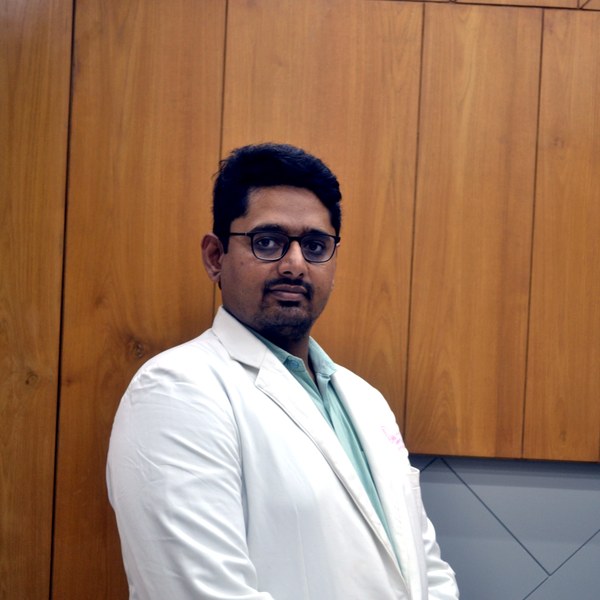
Dr Patel leads endometriosis diagnosis and surgery at Balaji Horizon with an evidence-based, ovarian-sparing philosophy aligned to ESHRE and ESGE — integrating pain, fertility and long-term disease control into a single plan, rather than treating the disease in isolation.
Imaging-led diagnosis, medical-first management, and precise surgery only when it is the right step — planned around your pain and fertility goals.
What a normal scan or examination does — and does not — mean
One of the commonest reasons endometriosis is missed is the assumption that a normal pelvic examination or a normal routine ultrasound rules it out. It does not. Superficial peritoneal disease — the most common form — is frequently invisible on imaging, and a standard scan not performed to the expert (IDEA) protocol can miss even deep disease and adhesions. A normal result lowers the probability of large endometriomas or deep nodules, but when the symptom pattern fits, it does not close the question. Persistent, cyclical, life-limiting symptoms deserve specialist assessment even after a “clear” scan.
How to shorten the path to a confident diagnosis
Diagnostic delay is rarely caused by one missed test; it accumulates from symptoms being normalised over years. You can shorten it. Bring a written symptom timeline — when pain occurs in the cycle, what it stops you doing, and any bowel, bladder or intercourse-related symptoms. Bring previous scans and reports rather than only their conclusions, so the images can be reviewed against the protocol. If conception is a goal, raise it early, because it changes which investigations and which sequence of treatment make sense. Diagnosis here is structured as a pathway — clinical suspicion, expert imaging, and surgery only when it will also treat — so that each step adds information without unnecessary intervention. Related: expert ultrasound, staging, why diagnosis is delayed.
Dr. Priyadatt Patel
Senior Gynecologist · Advanced Laparoscopic Surgeon · IVF and Endometriosis Programme Lead
MS OBGyn · Pregnancy Care · Advanced Gynaecological Ultrasound · Fertility Preservation
ESHRE / ESGE / AAGL / ASRM guideline-aligned practice. 3D Karl Storz precision technique. Fertility-preservation-first philosophy. Evidence-based decisions, honest counselling, long-term outcomes orientation.
Science City Road, Ahmedabad 380060
Mon–Sat 11:00–20:00 · +91 97234 31544
Naranpura, Ahmedabad
Mon–Sat 08:30–10:30 · +91 70460 02566