
Balaji Horizon Women's Hospital
✓Last clinically reviewed by Dr. Priyadatt Patel on 8 June 2026
If you have been told it is just bad periods for years — we hear you. The average diagnostic delay for endometriosis is 6 to 10 years internationally, and longer in many parts of India. That delay is rarely a failure of disease severity; it is a failure of pattern recognition. You did not invent your symptoms, and the path to a real answer begins with a clinician who listens.
ESHRE 2022 Guideline · Endometriosis Foundation of America position statements
What happens at first consultation
A structured 45–60 minute consultation. We listen to the full history, review prior records, examine where appropriate, and discuss the next step in plain language. You leave with a written plan and a clear understanding of timing, costs, and options.
Second opinion welcome
If you are weighing a major treatment decision — surgery, IVF, hysterectomy — a structured second-opinion consultation is one of the most valuable things you can do. Bring prior reports. We will give you our honest reading without pressure to switch your primary care.
Why Patients Choose Balaji Horizon for Endometriosis
Senior Gynecologist · Endometriosis Programme Lead
Dr. Priyadatt Patel — MS OBGyn, advanced laparoscopic gynaecologist with dedicated focus on endometriosis, deep infiltrating disease and fertility-preserving surgery.
3D Karl Storz Laparoscopy
IMAGE1 S 3D platform — true binocular depth perception for precision excision near ureter, bowel and pelvic plexus. Materially improves surgical accuracy in deep disease.
Expert Endometriosis Ultrasound
IDEA consensus protocol mapping — detects most deep infiltrating endometriosis without surgery. Many cases diagnosed and managed non-surgically.
Integrated IVF Laboratory
ART Level 2 facility on the same campus. Surgery and IVF decisions made by one integrated team — no fragmented referrals between centres.
ESHRE-Aligned Protocols
2022 ESHRE Endometriosis Guideline integrated into every decision. Evidence-based, internationally benchmarked, transparent to patients.
Fertility-Preservation-First
AMH measured before any ovarian intervention. Surgery only when warranted. Egg freezing discussed early — not after damage. Repeat surgery avoided where evidence supports IVF-first.
Multidisciplinary Capability
Colorectal, urology, anaesthetic, fetal medicine and pain management collaboration for complex deep infiltrating disease and pregnancy management.
282 Verified Google Reviews · 5.0★
Independent patient-reported outcomes. No vanity testimonials — read the verified reviews directly on Google.
Our Philosophy on Endometriosis
Endometriosis is a disease of delayed diagnosis and individualised planning — not a disease where heroic surgery automatically helps every patient. Our programme prioritises:
- Early, accurate diagnosis through expert imaging — surgery only when it changes management
- Excisional, not ablative, surgery when indicated — done well once, not partially repeatedly
- Long-term medical management to control disease progression and reduce recurrence
- Integrated fertility planning aligned with ovarian reserve and life goals
- Multidisciplinary care for chronic pain, mental health and quality of life
- Honest, science-based counselling — no guarantees, no fear-based messaging
We do not believe in one-size-fits-all algorithms. Every endometriosis plan is built around the individual patient — her symptoms, her fertility goals, her ovarian reserve, her life stage.
★ 5.0 · 282 Google Reviews · Premium Women’s Care
Endometriosis Treatment in Ahmedabad — Precision, Fertility-First, Long-Term Care
Endometriosis is one of the most under-diagnosed and over-treated conditions in women’s health. At Balaji Horizon Women’s Hospital, Dr. Priyadatt Patel offers a fertility-preserving, evidence-based approach aligned with ESHRE 2022 and ASRM guidelines — combining advanced laparoscopic excision, individualised medical management, and integrated IVF planning where appropriate.
Senior Gynecologist · Advanced Laparoscopic Surgeon · IVF and Endometriosis Programme Lead | Hospital: Science City Rd · Clinic: Naranpura
What is Endometriosis?
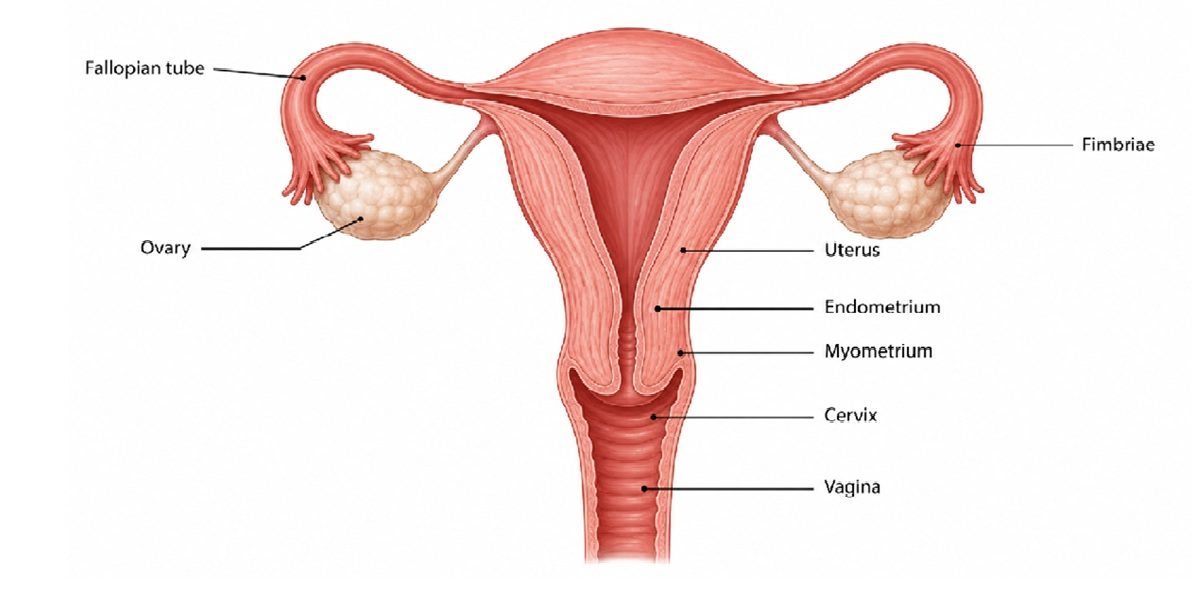
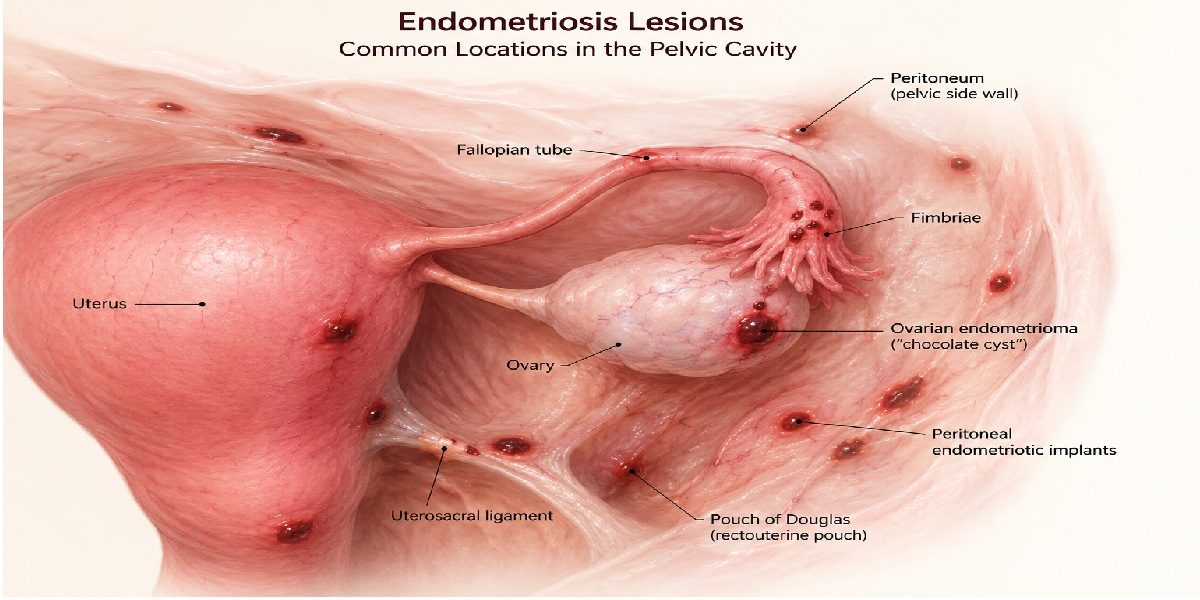
Endometriosis is a chronic, oestrogen-dependent inflammatory disease in which tissue resembling the endometrium (the lining of the uterus) is found outside the uterine cavity — typically on the pelvic peritoneum, ovaries, fallopian tubes, bowel, bladder, and rarely at distant sites. This ectopic tissue behaves cyclically: it responds to hormones, bleeds, scars, and triggers inflammation — but unlike menstrual blood, it has no exit route. The result is pain, adhesions, ovarian damage, and impaired fertility.
Globally, endometriosis affects an estimated 10% of reproductive-age women — approximately 190 million worldwide (WHO 2023). In India, the prevalence among women presenting with chronic pelvic pain ranges from 25–40%, and among women with infertility, 30–50% are eventually diagnosed with endometriosis. Despite these numbers, the average diagnostic delay remains 7 to 10 years from symptom onset.
Endometriosis is no longer considered a single disease. Current understanding (ESHRE 2022, FIGO 2023) recognises four anatomically distinct phenotypes — superficial peritoneal endometriosis, ovarian endometrioma, deep infiltrating endometriosis (DIE), and adenomyosis — each with different biology, treatment implications, and fertility consequences. This is why individualised mapping and planning matter more than aggressive uniform intervention.
The Hidden Crisis
Why Endometriosis is Diagnosed 7–10 Years Late
Endometriosis is not a disease of bad luck — it is a disease of normalisation. Generations of women have been told their cramps are “just periods,” their pain is exaggerated, and their suffering is psychological. By the time a definitive diagnosis is made, the disease has often progressed silently for years — with measurable consequences for fertility, ovarian reserve, and quality of life.
The Five Diagnostic Bottlenecks
- Patient normalisation: Severe period pain is culturally accepted as routine. Most women do not raise it as a clinical concern.
- Primary care dismissal: Symptoms are attributed to stress, lifestyle, or “PCOS” without a structured endometriosis-specific workup.
- Imaging limitations: Superficial disease and small DIE lesions are routinely missed on standard ultrasound. A trained sonographer using a dedicated DIE protocol is required.
- Diagnostic laparoscopy reluctance: The gold standard for visualising disease has been deprioritised in favour of empirical hormonal treatment, masking severity.
- Fragmented care: Pain, fertility, bowel, and bladder symptoms are managed in separate silos rather than as one disease process.
Dr. Patel’s approach treats endometriosis as a disease where timing matters more than aggression. Early suspicion, structured mapping (clinical + advanced ultrasound + selective MRI), and a clear long-term plan — including fertility, surgical, and medical considerations — are more important than rushing to either surgery or empirical hormones.
The Four Phenotypes of Endometriosis
Modern classification recognises endometriosis as a heterogeneous disease. The phenotype dictates the treatment pathway. Lumping all endometriosis into a single category — and treating it with a single approach — is one of the most common clinical errors.
1. Superficial Peritoneal Endometriosis
Small lesions on the pelvic peritoneum (the lining of the abdominal cavity). Lesions may be red, black (“powder-burn”), white, or clear. This is the most common form and can be highly symptomatic despite minimal volume of disease — there is poor correlation between visible disease and pain severity.
Clinical implication: Often missed on imaging. Diagnosis is laparoscopic. Excision provides good pain relief and fertility benefit in selected patients.
2. Ovarian Endometrioma (“Chocolate Cyst”)
A cyst within the ovary containing old menstrual blood. Visible on ultrasound. Endometriomas are markers of more advanced disease and are independently associated with reduced ovarian reserve (lower AMH, fewer antral follicles) — even before surgery is performed.
Clinical implication: Surgery on endometriomas can further reduce ovarian reserve. Decision must be individualised: size, symptoms, age, AMH, prior surgery, and fertility goals all weigh into the choice.
3. Deep Infiltrating Endometriosis (DIE)
Lesions penetrating >5 mm under the peritoneum — involving the uterosacral ligaments, rectovaginal septum, bowel, bladder, or ureters. DIE causes severe pain, deep dyspareunia, painful defecation, and can compromise organ function.
Clinical implication: Requires specialised multidisciplinary surgical planning. MRI and dedicated DIE ultrasound mapping are essential before surgery. Should only be operated in centres with appropriate experience.
4. Adenomyosis (Intra-myometrial Endometriosis)
Endometrial tissue within the muscular wall of the uterus. Causes heavy menstrual bleeding, dysmenorrhoea, an enlarged tender uterus, and is increasingly recognised as a major contributor to infertility, recurrent IVF failure, and obstetric complications.
Clinical implication: Diagnosed on ultrasound/MRI. Treatment is largely medical or fertility-focused. Surgery for adenomyosis is reserved for highly selected cases. Read our dedicated guide →
Symptoms — Why It’s Not “Just Bad Periods”
Endometriosis is a multi-system disease. The textbook picture — cyclical pelvic pain — is only the most visible symptom. Chronic, non-cyclical pain, bowel symptoms, urinary symptoms, sexual pain, and fertility difficulty are equally common presentations, and are frequently misattributed to IBS, urinary tract infection, vaginismus, or “unexplained” infertility.
Pain symptoms
- Progressively severe dysmenorrhoea (period pain)
- Chronic non-cyclical pelvic pain
- Deep dyspareunia (pain with intercourse)
- Lower back and thigh radiating pain
- Pain with bowel movement (dyschezia)
- Pain with urination (dysuria)
Bleeding symptoms
- Heavy menstrual bleeding (especially with adenomyosis)
- Premenstrual spotting
- Intermenstrual bleeding
- Rectal bleeding during periods
- Cyclical haematuria (blood in urine)
Fertility symptoms
- Inability to conceive after 12 months
- Recurrent early pregnancy loss
- Failed IUI cycles
- Recurrent IVF implantation failure
- Reduced ovarian reserve (low AMH for age)
Systemic symptoms
- Chronic fatigue
- Bloating (“endo belly”)
- Nausea, especially cyclical
- Bowel habit changes mimicking IBS
- Mood and sleep disruption from chronic pain
An important clinical truth: Pain severity does not correlate with disease stage. Women with minimal visible disease may have severe pain; women with extensive disease may be relatively asymptomatic. This is why staging by laparoscopy or imaging cannot be the sole basis for treatment decisions — symptoms, fertility goals, and individual context must guide the plan.
Surgical staging & disease mapping
Each of the four phenotypes above behaves differently. At surgery, disease is additionally graded by the rASRM staging system — useful for documentation, but limited in what it predicts about pain or fertility.
rASRM surgical staging
| Stage | Description | Typical findings |
|---|---|---|
| I — Minimal | Few superficial implants | Isolated lesions, no significant adhesions |
| II — Mild | More implants, slightly deeper | Superficial & a few deep implants |
| III — Moderate | Multiple deep implants | Small endometriomas, some adhesions |
| IV — Severe | Extensive deep disease | Large endometriomas, dense adhesions |
Important: the rASRM stage reflects anatomy at surgery — it does not measure pain and correlates poorly with fertility. Staging informs, but never replaces, individualised planning.
How Endometriosis is Diagnosed
Diagnosis is no longer purely surgical. ESHRE 2022 and recent ASRM updates have moved toward a clinical and imaging-based diagnosis, with laparoscopy reserved for cases where mapping changes management or where excisional treatment is planned in the same setting.
1. Structured Clinical Assessment
Detailed menstrual, pain, sexual, bowel, and fertility history. Bimanual pelvic examination assessing uterosacral tenderness, fixed retroverted uterus, and palpable nodules.
2. Transvaginal Ultrasound (DIE Protocol)
Detects endometriomas, kissing ovaries, uterosacral nodules, bowel and bladder DIE, and adenomyosis. Requires a trained operator using IDEA consensus protocols.
3. Pelvic MRI (Selective)
Reserved for suspected DIE, ureteric involvement, complex adenomyosis, or preoperative planning. Not required for every patient.
4. Ovarian Reserve Assessment
AMH and antral follicle count are essential before any decision involving endometriomas or surgery — to protect future fertility options.
5. Diagnostic Laparoscopy
No longer the routine first step. Indicated when imaging is inconclusive, when surgical treatment is planned, or to confirm equivocal cases — performed only by surgeons who can excise in the same procedure.
6. CA-125 and Biomarkers
CA-125 has limited diagnostic value — not used as a screening test. May be elevated in advanced disease but normal results do not exclude endometriosis.
References: ESHRE Endometriosis Guideline 2022; ASRM Practice Committee Document on Endometriosis Diagnosis 2023; IDEA Consensus on Sonographic Mapping of Endometriosis (Guerriero et al., UOG).
Meet Your Endometriosis Specialist
Dr. Priyadatt Patel — A Surgeon Who Will Tell You When Not to Operate
Endometriosis care needs a senior specialist who can hold three things at once — advanced surgical capability, deep fertility understanding, and the judgment to recommend conservative management when surgery would do more harm than good. Dr. Priyadatt Patel built this practice precisely because most women with endometriosis are over-treated, mis-sequenced, or dismissed.
CredentialsSenior Gynecologist · Advanced Laparoscopic Surgeon · IVF and Endometriosis Programme Lead
Surgical PhilosophyExcision-first, fertility-sparing technique · ovarian-reserve protection · ESHRE 2022 aligned
Integrated CareIn-house IVF lab · ICSI · PGT · Blastocyst culture · Fertility preservation under one roof
DIE & AdenomyosisDeep infiltrating endometriosis mapping · complex pelvic anatomy · recurrent disease
“Every endometriosis patient I see has a unique combination of pain, fertility goals, ovarian reserve, and disease map. The right plan is rarely the most aggressive one. Often, the hardest decision is choosing what not to do.” — Dr. Priyadatt Patel
Balaji Horizon Women’s HospitalSatyamev Eminence, Science City Road, Ahmedabad 380060
Mon–Sat · 11:00 AM – 8:00 PM · +91 97234 31544
Mon–Sat · 11:00 AM – 8:00 PM · +91 97234 31544
Balaji Women’s Clinic (AEC)Vrundavan Enclave, 132 Ft Ring Rd, Naranpura, Ahmedabad 380013
Mon–Sat · 8:30 AM – 10:30 AM · +91 70460 02566
Mon–Sat · 8:30 AM – 10:30 AM · +91 70460 02566
Why Endometriosis Affects Fertility
Endometriosis reduces fertility through multiple converging mechanisms — not a single cause. Understanding these mechanisms matters because each one calls for a different intervention. Treating “endometriosis-related infertility” as a single problem leads to either over-surgery or premature IVF.
Anatomical distortion
Adhesions distort tubo-ovarian anatomy, preventing egg pickup. Fimbrial-ovarian apposition is impaired.
Ovarian reserve loss
Endometriomas reduce AMH and antral follicle count independently — even before surgery. Surgery can worsen this.
Inflammatory peritoneal milieu
Elevated cytokines, oxidative stress, and altered macrophage activity impair sperm function, fertilisation, and early embryo development.
Endometrial receptivity
Altered HOXA-10 expression and progesterone resistance reduce implantation rates — even with good embryos.
Oocyte quality
Reactive oxygen species in the follicular fluid affect oocyte mitochondrial health, reducing embryo competence.
Adenomyosis effect
Coexisting adenomyosis impairs uterine peristalsis and implantation — a frequently missed contributor to “unexplained” IVF failure.
Fertility planning must therefore be individualised: a 28-year-old with mild disease, regular ovulation, and normal AMH has very different options from a 36-year-old with bilateral endometriomas, AMH 1.2 ng/mL, and a partner with mild male factor. Read our integrated Endometriosis + Fertility planning guide →
Our Treatment Philosophy — Individualised, Not Algorithmic
There is no single correct treatment for endometriosis. The right plan emerges from a structured assessment of seven variables — each weighted differently for each patient.
The Seven-Variable Decision Framework
- Age — the single most powerful determinant of fertility outcomes
- Ovarian reserve — AMH, AFC, prior ovarian surgery history
- Pain burden — how much it limits daily life, sleep, work, relationships
- Disease phenotype and map — superficial vs endometrioma vs DIE vs adenomyosis
- Fertility goals — actively trying now, planning in 1–2 years, no plans, fertility preservation needed
- Prior treatments — failed medical therapy, prior surgeries, prior IVF cycles
- Patient values — surgery tolerance, hormonal therapy preference, financial constraints, family support
Most patients ultimately receive a multi-modal plan — combining lifestyle modification, targeted medical therapy, fertility preservation where indicated, and selective surgery where it changes outcomes. The goal is not to remove every spot of endometriosis. The goal is to maximise long-term fertility, function, and quality of life with the least cumulative intervention.
Medical Management — When and How
Medical therapy works by suppressing oestrogen-driven cyclical activity. It controls symptoms but does not eliminate disease. It is suitable for pain control, disease suppression between fertility attempts, and for patients in whom surgery is not currently indicated.
Combined Oral Contraceptives (Continuous)
First-line for pain in women not currently trying to conceive. Continuous (skip placebo week) dosing eliminates withdrawal bleeding and is more effective than cyclical use. Inexpensive, well-tolerated, evidence-supported.
Progestins — Dienogest, Norethisterone, LNG-IUS
Dienogest 2 mg daily is highly effective for endometriosis pain and is now preferred in many ESHRE pathways. The levonorgestrel-releasing intrauterine system (Mirena) provides excellent disease suppression with minimal systemic effects — especially valuable for adenomyosis and DIE-related dysmenorrhoea.
GnRH Analogues with Add-Back Therapy
Reserved for severe disease unresponsive to first-line therapy. Always paired with low-dose hormonal add-back to protect bone density. Duration is typically limited to 6 months. Useful pre-surgically or as a bridge to IVF in selected cases.
What Medical Therapy Does Not Do
Medical therapy is contraceptive — it cannot be used while actively trying to conceive. It does not reverse anatomical distortion, does not improve fimbrial function, and does not restore ovarian reserve. For these, surgery and/or IVF are required. Long-term use carries metabolic, mood, and bone considerations that should be reviewed annually.
Surgical Management — Precision, Not Heroics
Surgery for endometriosis has a clear evidence base — but only when performed for the right indications by a surgeon trained in advanced laparoscopic excision. Done poorly, repeated surgery causes more harm than the disease itself: ovarian reserve loss, dense adhesions, recurrent pain, and lost fertility opportunities.
When Surgery is the Right Answer
- Severe pain not controlled by adequate medical therapy
- Endometrioma >3–4 cm causing pain, growth, or interfering with IVF stimulation
- Deep infiltrating endometriosis with bowel, bladder, or ureteric involvement
- Mechanical infertility — tubal damage, fixed retroverted uterus, distorted anatomy
- Suspected malignancy (rare but must be excluded in complex ovarian cysts)
- Diagnostic uncertainty after thorough non-invasive workup
Excision vs Ablation
Current evidence (Cochrane reviews, ESHRE 2022, AAGL guidelines) supports excision over ablation for deep and ovarian disease — better pain outcomes, lower recurrence, and more accurate histology. Ablation may still have a role for very superficial peritoneal disease, but excision is the standard for anything beyond minimal involvement. At our centre, complete excisional technique with cold scissors or fine ultrasonic energy is preferred.
Fertility-Sparing Principles
Every endometriosis surgery in a woman with fertility goals must follow strict ovarian-sparing principles:
- Pre-operative AMH and AFC documented
- Endometrioma cystectomy by stripping technique with minimal cautery near the hilum — bipolar energy used sparingly, suturing preferred for haemostasis where feasible
- Avoid repeat surgery on the same ovary whenever possible
- Cumulative ovarian reserve impact discussed before consent
- Consideration of oocyte/embryo cryopreservation before surgery in select cases
DIE — A Specialist Domain
Deep infiltrating endometriosis surgery involves ureteric dissection, rectovaginal septum work, bowel shaving or discoid resection, and occasional bowel segment resection. This must be done in a centre with multidisciplinary capability — gynaecologic surgery, colorectal back-up, and urology support. See our DIE + Adenomyosis page →
Integrated Fertility Pathway
Endometriosis + IVF — Sequencing the Plan
One of the most consequential decisions in endometriosis-related infertility is the sequencing of surgery and IVF. The wrong order can permanently reduce ovarian reserve, delay conception by years, or miss the optimal fertility window.
Surgery before IVF — appropriate when
- Endometrioma is large (>4 cm) and impeding follicle access for retrieval
- Severe pain affecting baseline quality of life
- DIE with bowel, bladder, or ureteric compromise
- Hydrosalpinx present (reduces IVF success unless treated)
- Diagnostic uncertainty about pelvic anatomy
IVF first — appropriate when
- Low ovarian reserve (AMH <1.5 ng/mL, AFC <7)
- Advanced maternal age (≥37 years) where time matters more than disease clearance
- Prior ovarian surgery for endometriosis
- Bilateral small endometriomas where surgery risks bilateral ovarian damage
- Coexisting male factor, tubal factor, or other independent infertility cause
Combined sequential approach
In many real-world cases the answer is not “surgery vs IVF” but a sequenced plan: fertility preservation first (egg/embryo freezing) → targeted surgery if indicated → IVF cycle. This protects ovarian reserve before any intervention that might compromise it. Explore our IVF pathway →
Long-Term Disease Management
Endometriosis is chronic. The goal is not “cure” — it is durable disease control with minimum cumulative intervention. Recurrence rates after surgery alone range from 20–50% over 5 years depending on phenotype and post-surgical hormonal suppression. With appropriate post-surgical medical maintenance, recurrence is meaningfully reduced.
Post-surgical suppression
Continuous OCP, dienogest, or LNG-IUS after surgery — significantly reduces recurrence and reoperation rates in non-fertility-seeking phases.
Annual review
Clinical assessment + ultrasound to track disease, ovarian reserve, and symptom trajectory. Adjust plan as life stage changes.
Lifestyle adjuncts
Anti-inflammatory dietary pattern, pelvic physiotherapy, regular aerobic exercise, sleep regulation, stress management — modest but real adjunctive evidence.
Mental health support
Chronic pain conditions deserve formal psychological support. Validation and counselling reduce symptom burden and improve treatment adherence.
Fertility window planning
If childbearing is planned for later, fertility preservation discussion should happen earlier — not deferred until reserve is already low.
Menopause transition
Most disease activity diminishes at menopause but symptoms can persist. Hormone therapy decisions in former endometriosis patients require nuanced individualisation.
The guidelines we follow
Our endometriosis care is aligned with current international evidence rather than habit or anecdote.
Frequently Asked Questions
Can endometriosis be cured permanently?
There is no permanent cure. Endometriosis is a chronic, oestrogen-dependent condition managed in phases across a woman’s reproductive life. The realistic goal is durable symptom control, fertility protection, and minimum cumulative intervention. Disease activity typically diminishes at menopause, though symptoms can persist.
Do I definitely need surgery for endometriosis?
No. Many women are managed entirely with medical therapy. Surgery is reserved for specific indications: pain unresponsive to adequate medical therapy, mechanical infertility, large symptomatic endometriomas, or DIE compromising organ function. Repeated surgery often does more harm than good.
Will endometriosis affect my ability to have children?
It can — through several mechanisms (anatomical distortion, reduced ovarian reserve, inflammatory environment, impaired implantation). But many women with endometriosis conceive naturally. Those who do not, achieve excellent outcomes with IVF when treatment is properly sequenced. Early diagnosis and individualised planning matter more than the diagnosis itself.
Should I have surgery before trying IVF?
It depends on age, ovarian reserve, endometrioma size, pain burden, and prior surgeries. In women with low AMH or advanced age, IVF first (or fertility preservation first) often makes more sense. In women with large endometriomas blocking follicle access or severe pain, surgery first may be appropriate. This is one of the most important sequencing decisions in your care plan.
How is endometriosis different from PCOS?
They are entirely different conditions, though both can affect fertility. PCOS is an endocrine-metabolic disorder with anovulation, hyperandrogenism, and metabolic features. Endometriosis is an inflammatory, oestrogen-dependent disease causing ectopic endometrial tissue. They can coexist, and require separate management plans. See our PCOS pillar →
Can endometriosis be diagnosed without laparoscopy?
Yes. ESHRE 2022 supports clinical and imaging-based diagnosis. Trained ultrasound (using IDEA consensus DIE protocols) plus targeted MRI when needed can establish the diagnosis in most cases. Laparoscopy is now reserved for cases where it changes management or where excisional treatment is planned.
Why does the same ovary keep developing endometriomas?
Recurrence is biological — endometriosis is a systemic disease and the underlying tendency persists. After surgery, recurrence is significantly reduced by post-operative hormonal suppression. This is why “surgery only” without medical maintenance often leads to recurrent endometriomas within 2–5 years.
Can I conceive after endometrioma surgery?
Yes — many women do, both naturally and through IVF. The probability depends on age, residual ovarian reserve, presence of other infertility factors, and how the surgery was performed. Surgery using fertility-sparing technique by an experienced surgeon protects future fertility options. This is why surgeon selection matters more than surgery itself.
Is endometriosis cancerous?
Endometriosis is a benign condition. There is a small increased risk of certain ovarian cancer subtypes (clear-cell and endometrioid) over a lifetime, but the absolute risk remains low. Long-standing endometriomas should be monitored. Any rapidly growing or atypical cyst warrants surgical evaluation.
Does pregnancy cure endometriosis?
Pregnancy can temporarily suppress disease activity due to the hormonal environment of gestation, and breastfeeding extends this suppression. But endometriosis returns with the resumption of cyclical menstruation. Pregnancy is not a treatment for endometriosis.
How long does laparoscopic endometriosis surgery take?
Surgical time varies widely with disease extent. Simple excision of superficial peritoneal endometriosis may take 60–90 minutes. Bilateral endometrioma cystectomy 90–120 minutes. Extensive DIE with bowel or ureteric involvement can take 3–5 hours. Hospital stay is typically 24–48 hours.
Will dienogest cause weight gain or mood changes?
Dienogest is generally well tolerated. Most patients experience irregular spotting initially that settles by month 3. Weight gain is modest and not universal. Mood changes occur in a minority. Bone density should be monitored if used long-term. Any side effect warrants discussion — we do not push patients to tolerate intolerable therapy.
When should I consider fertility preservation (egg freezing)?
If you have endometriomas (especially bilateral), low AMH for your age, advanced disease, or are not planning conception for ≥2–3 years, fertility preservation should be discussed early. Egg freezing before ovarian surgery is increasingly recommended in selected cases. See our Fertility Preservation guide →
What should I bring to my first endometriosis consultation?
A symptom diary (pain timing and severity, bleeding pattern), all prior ultrasound/MRI reports and images, prior operation notes, current and past medications, AMH report if recent, and a clear statement of your fertility plans and priorities. The more complete the history, the more individualised the plan.
Continue Reading
Endometriosis Excision Surgery →
Fertility-sparing surgical technique explained
Endometriosis & Fertility →
Integrated planning for conception
Adenomyosis & DIE →
Specialised disease subtypes
IVF Programme →
When IVF is the right answer
Advanced Laparoscopy →
Our minimal-access surgical capability
Fertility Preservation →
Egg and embryo freezing
Fertility-sparing surgical technique explained
Endometriosis & Fertility →
Integrated planning for conception
Adenomyosis & DIE →
Specialised disease subtypes
IVF Programme →
When IVF is the right answer
Advanced Laparoscopy →
Our minimal-access surgical capability
Fertility Preservation →
Egg and embryo freezing
Explore the Endometriosis Programme
Comprehensive endometriosis resource library
Every aspect of endometriosis care — from first diagnosis through long-term management — explained in clinical depth aligned with ESHRE 2022, ESGE, and AAGL guidance.
How we work
Centre identity & approach
Our approach to endometriosis
Fertility-first, evidence-based, individualised care planning.
Multidisciplinary team
Gynaecology, fertility, radiology, pain, and mental health under one roof.
3D Karl Storz laparoscopy
IMAGE1 S 3D platform for precision dissection.
Outcomes & transparency
What we measure, what we publish, what we share with you.
Integrated endometriosis care
How surgery, hormones, IVF, and pain care work together.
Reaching a clear diagnosis
Diagnosis depth
Evidence-based treatment
Treatment depth
Tailored to life stage
Special populations
Adolescent endometriosis
Recognising disease in teens — early intervention without overtreatment.
Young women & endometriosis
Fertility-preserving care in the 20s and 30s.
Postmenopausal endometriosis
Persistent or recurrent disease after menopause.
Pregnancy after endometriosis
Pregnancy planning, surveillance, and outcomes.
Living with endometriosis
Symptoms, lifestyle & mental health
Symptoms overview
The full symptom spectrum — what to watch for.
Painful intercourse (dyspareunia)
Causes, evaluation, and treatment of deep dyspareunia.
Bowel symptoms
Cyclical bowel pain, bloating, and bowel endometriosis.
Urinary symptoms
Bladder endometriosis and cyclical urinary pain.
Lifestyle, diet & exercise
What lifestyle can and cannot do.
Mental health & endometriosis
The psychological burden of chronic pelvic pain.
Considering IVF?
Endometriosis and fertility cross-references
For patients balancing endometriosis with fertility goals, these IVF resources are clinically connected:
Topics covered in the endometriosis programme
Each topic below is a structured clinical reference written by the team. These pages sit beneath this pillar and link back here. They are written for patients seeking a deeper understanding of one area, and for referring clinicians who want to know how this centre approaches each presentation.
- Deep infiltrating endometriosis — mapping, surgical philosophy, multidisciplinary care for the most complex form of the disease.
- Bowel endometriosis — recognising cyclical bowel symptoms, imaging, shaving versus disc versus segmental resection.
- Bladder and ureteric endometriosis — silent disease that can damage the kidney; renal protection is part of the plan.
- Thoracic endometriosis — catamenial pneumothorax, haemothorax, and haemoptysis; an under-recognised diagnosis.
- Adolescent endometriosis — earlier diagnosis matters; balancing investigation with fertility preservation.
- Why diagnosis takes 7–10 years — the institutional position on diagnostic delay and what shortens it.
- Imaging for endometriosis — the ISUOG IDEA standard for transvaginal ultrasound and when MRI adds value.
- Multidisciplinary surgery for endometriosis — team-based care for disease that crosses organ systems.
3,000+
ADVANCED LAPAROSCOPIES
Internal audit
500+
ENDOMETRIOSIS CASES HANDLED
Programme lead caseload
ISO 9001
BUREAU VERITAS + UKAS
Cert IND.25.899/QM/U
CEA
GUJARAT PERMANENT REG
CEA/AHD/262/2025
PRINCIPLED MEDICINE · NOT PROMOTION
- ✓Long-term outcomes over short-term intervention
- ✓No surgery without clear indication
- ✓Ovarian reserve protected at every step
- ✓Patients as decision-makers, not service buyers
- ✓No overpromising IVF success or surgical cure
PATIENT PATHWAY
When should you see an endometriosis specialist?
1
Persistent pelvic pain across three or more cycles
Pain that interferes with work, sleep, intercourse, or daily activities across three or more menstrual cycles warrants specialist evaluation, even when scans appear normal.
2
Cyclical bowel or bladder symptoms
Painful bowel movements, painful urination, or rectal pain that worsens around menstruation can indicate deep infiltrating disease and should be investigated by a specialist familiar with advanced ultrasound mapping.
3
Difficulty conceiving
Difficulty conceiving for twelve months or more (six months if you are over 35) is a clear indication for specialist evaluation. Endometriosis is associated with sub-fertility and earlier evaluation protects ovarian reserve.
4
Family history or adolescent onset
A first-degree relative with endometriosis, or severe menstrual pain that started in adolescence, suggests higher risk. Early specialist input helps avoid the 7-10 year diagnostic delay seen in many patients.
5
Symptoms not improving with first-line therapy
When over-the-counter analgesics, combined oral contraceptives, or first-line progestins do not control symptoms after 3-6 months, specialist re-evaluation is appropriate.
If any of these apply, request a structured 45-60 minute endometriosis consultation. We listen first.
“
Endometriosis is a chronic condition that may persist or recur after treatment, and women should be offered long-term, individualised follow-up. Treatment goals should be discussed with each woman and balance symptom relief, reproductive wishes, and disease management over time.
FREQUENTLY ASKED
Common Patient Questions
Block 11 – Comparison
Endometriosis – three patterns of disease at a glance
| Pattern | Typical imaging | Symptom profile | Treatment focus |
|---|---|---|---|
| Superficial peritoneal | Often unremarkable on US | Cyclical pain dominant | Hormonal first-line, surgery if refractory |
| Endometrioma (chocolate cyst) | Ovarian cyst on US | Pain ± fertility impact | Ovarian-reserve-preserving cystectomy vs IVF-first |
| Deep infiltrating (DIE) | MRI / IDEA protocol US | Painful sex, bowel/bladder symptoms | Multidisciplinary mapping then specialist surgery |
Block 12 – Decision Tree
Pain or fertility – which path first?
Endometriosis decisions are rarely the same for two women. This is a starting point – your individual situation may differ.
A
Pain is the dominant problem
Hormonal management first — progestin, combined contraceptive, or GnRH analogue per individual factors. Surgery reserved for refractory pain, anatomic distortion, or specific lesion sites (bowel, bladder, deep nodules).
B
Fertility is the dominant priority
Workup of ovarian reserve (AMH, AFC), anatomy, partner factors. Surgery vs IVF-first depends on age, ovarian reserve, anatomy, and prior surgeries. Repeat surgery for fertility rarely the right answer.
C
Both pain and fertility
Decision is more nuanced — often surgery for clear anatomical correction + IVF planning together. Avoid repeat operations that damage ovarian reserve cumulatively.
Our Endometriosis Programme by the Numbers
500+
Endometriosis surgeries performed
13+
Years of specialised practice
ISO
9001:2015 certified
Level 2
ICMR ART laboratory
Cumulative figures reflecting Dr. Patel’s practice. No per-cycle outcome rates are published; care is individualised.
Free Patient Guide
The Endometriosis Decision Guide
A short clinical primer on diagnostic delay, the four decisions you may face, and what to bring to your specialist consultation. Aligned with ESHRE 2022, ASRM, FIGO guidance.
Reviewed by Dr. Priyadatt Patel — read in 20–25 minutes
Get the guide →
Free — delivered to your inbox
From our channel


Explore Related Conditions and Services
European Endoscopic Credentials
Care led by Dr. Priyadatt Patel — Diplomate, Kiel School of Gynaecological Endoscopy (Germany) · ESGE-CICE Certified (France)
One of a small group of Indian gynaecologists holding both European and German formal endoscopic credentials. MS Ob-Gyn, University First with four Gold Medals. Practice aligned with ESHRE · ESGE · AAGL guidelines.
YOUR CARE JOURNEY
From first consultation to long-term care
01
Consultation
Detailed history, examination, and discussion of concerns with Dr. Patel.
02
Investigation
Targeted imaging, hormones, and diagnostic tests to confirm and stage.
03
Personalised plan
Options discussed with you. Evidence-based, individualised, no overtreatment.
04
Treatment
Medical therapy, advanced laparoscopic surgery, IVF or combined care.
05
Long-term follow-up
Structured review, recurrence monitoring, and ongoing women's health care.
Trying to conceive with endometriosis? Endometriosis & Fertility: surgery or IVF first? →
Looking for focused local care? See our endometriosis specialist in Ahmedabad →
DIAGNOSTIC PATHWAY · ESHRE 2022
From symptoms to confirmed endometriosis
1. Symptoms
Chronic pelvic pain, dysmenorrhoea, dyspareunia, infertility
Chronic pelvic pain, dysmenorrhoea, dyspareunia, infertility
↓
2. Clinical exam + history
Bimanual exam, family history, symptom cycle mapping
Bimanual exam, family history, symptom cycle mapping
↓
3. Transvaginal ultrasound
IDEA consensus mapping for endometrioma, DIE, adhesion sites
IDEA consensus mapping for endometrioma, DIE, adhesion sites
↓
4. MRI if needed
Bowel, bladder, ureter, posterior cul-de-sac involvement
Bowel, bladder, ureter, posterior cul-de-sac involvement
↓
5. Multidisciplinary plan
Medical therapy, IVF, or surgery — individualised, fertility-aware
Medical therapy, IVF, or surgery — individualised, fertility-aware
ESHRE Guideline on the Management of Endometriosis, 2022 update.
★★★★★5.0 · 282 Verified Google Reviews
Dr. Priyadatt Patel
Senior Gynecologist · Advanced Laparoscopic Surgeon · IVF and Endometriosis Programme Lead
MS OBGyn · Pregnancy Care · Advanced Gynaecological Ultrasound · Fertility Preservation
ESHRE / ESGE / AAGL / ASRM guideline-aligned practice. 3D Karl Storz precision technique. Fertility-preservation-first philosophy. Evidence-based decisions, honest counselling, long-term outcomes orientation.
Endometriosis
Superficial to deep infiltrating, fertility-preserving excision
IVF & Fertility
Individualised protocols, ART Level 2 lab, transparent outcomes
Advanced Laparoscopy
3D Karl Storz precision, nerve-sparing technique
Pregnancy Care
Antenatal care, high-risk pregnancy, advanced ultrasound
Balaji Horizon Women Hospital
Science City Road, Ahmedabad 380060
Mon–Sat 11:00–20:00 · +91 97234 31544
Science City Road, Ahmedabad 380060
Mon–Sat 11:00–20:00 · +91 97234 31544
Balaji Women Clinic (AEC)
Naranpura, Ahmedabad
Mon–Sat 08:30–10:30 · +91 70460 02566
Naranpura, Ahmedabad
Mon–Sat 08:30–10:30 · +91 70460 02566