ISO 9001:2015 Bureau Veritas / UKASGujarat CEA Permanent registrationICMR ART Level-2 laboratoryESHRE / ASRM aligned careISUOG IDEA imaging protocol15-bed single-speciality hospital★ 5.0 · 287 Google reviews
Comprehensive Endometriosis Treatment in Ahmedabad, Under One Specialist Team
Endometriosis treatment in Ahmedabad — precision, fertility-first, long-term care. Expert ultrasound, 3D laparoscopic surgery, and integrated IVF planning under one team. ESHRE 2022 guideline-aligned.
★★★★★5.0 · 287 Google reviews
·ISO 9001:2015 (Bureau Veritas/UKAS)
·ICMR ART Level 2·CEA permanent reg.
Recognition
"Is this me?"
Symptoms — why it's not "just bad periods"
Endometriosis is a multi-system disease. Cyclical pelvic pain is only the most visible symptom — chronic pain, bowel and urinary symptoms, sexual pain, and fertility difficulty are equally common and frequently misattributed.
Clinical truth: pain severity does not correlate with disease stage. Minimal disease can cause severe pain; extensive disease can be silent.
Interactive · private · not a diagnosis
Build your personal endometriosis map
Tap what you're experiencing. We'll light up where it tends to occur and build a summary you can take to your consultation.
Nothing selected yet
Your map will build here. Tap the symptoms that fit — your personalised pointers, the areas they relate to, and a "bring to consultation" summary appear here.
Areas related to your selection light up — schematic, not to scale.
Educational tool, aligned with ESHRE 2022 · severity of pain does not reflect disease extent · a normal scan does not exclude endometriosis · not a diagnosis · nothing you tap leaves your device.
Why endometriosis is diagnosed 7–10 years late
Endometriosis is a disease of normalisation. Five bottlenecks drive the delay: patient normalisation of severe period pain · primary-care dismissal · imaging limitations (superficial & small DIE missed on standard ultrasound) · diagnostic-laparoscopy reluctance · fragmented care across silos.
When should you see a specialist?
Persistent pelvic pain across 3+ cycles
Pain that interferes with work, sleep, intercourse, or daily life — even when scans look normal.
Cyclical bowel or bladder symptoms
Painful bowel movements or urination worsening around menstruation can indicate deep infiltrating disease.
Difficulty conceiving
12 months (6 if over 35). Earlier evaluation protects ovarian reserve.
Family history or adolescent onset
A first-degree relative, or severe pain since adolescence, raises risk.
Not improving on first-line therapy
If analgesics, COCs, or progestins don't control symptoms in 3–6 months, re-evaluate.
A chronic, oestrogen-dependent inflammatory disease in which tissue resembling the endometrium grows outside the uterine cavity. It responds to hormones, bleeds, scars, and triggers inflammation — but has no exit route, causing pain, adhesions, ovarian damage, and impaired fertility.
It affects an estimated 10% of reproductive-age women (~190 million; WHO 2023). In India, 25–40% of women with chronic pelvic pain and 30–50% with infertility are eventually diagnosed. Average diagnostic delay: 7–10 years.
The four phenotypes
Endometriosis is no longer one disease. ESHRE 2022 / FIGO 2023 recognise four phenotypes — each with different biology and treatment implications.
1 · Superficial Peritoneal Endometriosis
Small lesions on the pelvic peritoneum — red, "powder-burn" black, white, or clear. Most common form; can be highly symptomatic despite minimal volume.
Clinical implication: often missed on imaging; diagnosis is laparoscopic. Excision gives good pain relief and fertility benefit in selected patients.
2 · Ovarian Endometrioma ("Chocolate Cyst")
A cyst of old menstrual blood within the ovary; visible on ultrasound. A marker of more advanced disease, independently associated with reduced ovarian reserve even before surgery.
Clinical implication: surgery can further reduce reserve. Decision individualised on size, symptoms, age, AMH, prior surgery, fertility goals.
3 · Deep Infiltrating Endometriosis (DIE)
Lesions penetrating >5 mm — uterosacral ligaments, rectovaginal septum, bowel, bladder, ureters. Causes severe pain, deep dyspareunia, painful defecation, organ compromise.
Clinical implication: needs MRI + dedicated DIE ultrasound mapping and multidisciplinary surgery; operate only in experienced centres.
4 · Adenomyosis (Intra-myometrial)
Endometrial tissue within the uterine muscle. Causes heavy bleeding, dysmenorrhoea, an enlarged tender uterus; a major contributor to infertility and recurrent IVF failure.
Clinical implication: diagnosed on ultrasound/MRI; treatment largely medical or fertility-focused. Surgery for highly selected cases only.
Three patterns of disease at a glance
Pattern
Typical imaging
Symptom profile
Treatment focus
Superficial peritoneal
Often unremarkable on US
Cyclical pain dominant
Hormonal first-line; surgery if refractory
Endometrioma (chocolate cyst)
Ovarian cyst on US
Pain ± fertility impact
Reserve-preserving cystectomy vs IVF-first
Deep infiltrating (DIE)
MRI / IDEA-protocol US
Painful sex, bowel/bladder symptoms
Multidisciplinary mapping then specialist surgery
Diagnosis
"How is it confirmed?"
How endometriosis is diagnosed
Diagnosis is no longer purely surgical. ESHRE 2022 and recent ASRM updates support a clinical and imaging-based diagnosis, with laparoscopy reserved for when mapping changes management or excision is planned.
Structured clinical assessment
Detailed menstrual, pain, sexual, bowel, and fertility history; bimanual exam for uterosacral tenderness and nodules.
rASRM surgical staging — reflects anatomy at surgery; correlates poorly with pain & fertility
Stage
Description
Typical findings
I — Minimal
Few superficial implants
Isolated lesions, no significant adhesions
II — Mild
More implants, slightly deeper
Superficial & a few deep implants
III — Moderate
Multiple deep implants
Small endometriomas, some adhesions
IV — Severe
Extensive deep disease
Large endometriomas, dense adhesions
Fertility
"What about having children?"
Why endometriosis affects fertility
Endometriosis reduces fertility through multiple converging mechanisms — not a single cause. Each calls for a different intervention, which is why "endometriosis-related infertility" must never be treated as one problem.
Anatomical distortion
Adhesions impair egg pickup and fimbrial-ovarian apposition.
Ovarian reserve loss
Endometriomas reduce AMH and AFC independently — surgery can worsen it.
Inflammatory milieu
Cytokines and oxidative stress impair sperm, fertilisation, embryo development.
Endometrial receptivity
Altered HOXA-10 and progesterone resistance lower implantation.
Oocyte quality
Follicular ROS affect oocyte mitochondrial health and embryo competence.
Adenomyosis effect
Impairs uterine peristalsis and implantation — a missed cause of "unexplained" IVF failure.
Endometriosis + IVF — sequencing the plan
One of the most consequential decisions in endometriosis-related infertility is the sequencing of surgery and IVF. The wrong order can permanently reduce ovarian reserve or miss the fertility window.
Surgery before IVF — when
Endometrioma >4 cm impeding retrieval · severe pain · DIE with bowel/bladder/ureteric compromise · hydrosalpinx · diagnostic uncertainty.
IVF first — when
Low reserve (AMH <1.5, AFC <7) · age ≥37 · prior ovarian surgery · bilateral small endometriomas · coexisting male/tubal factor.
Combined sequential approach: often fertility preservation first (egg/embryo freezing) → targeted surgery if indicated → IVF — protecting ovarian reserve before any intervention that might compromise it.
Treatment
"What are my options?"
Treatment philosophy — individualised, not algorithmic
There is no single correct treatment. The right plan emerges from a structured assessment of seven variables, each weighted differently per patient: age · ovarian reserve · pain burden · disease phenotype & map · fertility goals · prior treatments · patient values. Most patients receive a multi-modal plan; the goal is maximum long-term fertility, function, and quality of life with the least cumulative intervention.
Medical management — when & how
Suppresses oestrogen-driven cyclical activity; controls symptoms but doesn't eliminate disease.
Combined oral contraceptives (continuous): first-line for pain when not trying to conceive. Progestins (dienogest 2mg, norethisterone, LNG-IUS): dienogest highly effective; Mirena excellent for adenomyosis/DIE. GnRH analogues + add-back: severe disease; ≤6 months with bone protection; bridge to IVF. What it does NOT do: it's contraceptive — can't be used while trying to conceive; doesn't reverse anatomy or restore reserve.
Surgical management — precision, not heroics
When surgery is right: pain refractory to medical therapy · endometrioma >3–4 cm interfering with IVF · DIE with organ involvement · mechanical infertility · suspected malignancy · diagnostic uncertainty.
Excision vs ablation: evidence (Cochrane, ESHRE 2022, AAGL) supports excision for deep/ovarian disease — better pain outcomes, lower recurrence, accurate histology.
Fertility-sparing principles: pre-op AMH/AFC documented · stripping technique with minimal cautery near the hilum · avoid repeat surgery on the same ovary · consider cryopreservation before surgery in select cases.
Long-term disease management
Endometriosis is chronic; the goal is durable control with minimum cumulative intervention. Recurrence after surgery alone is 20–50% over 5 years — meaningfully reduced by post-surgical suppression (continuous OCP, dienogest, LNG-IUS). Includes annual review, lifestyle adjuncts, mental-health support, fertility-window planning, and individualised menopause-transition decisions.
Decision support
"Help me decide"
Pain or fertility — which path first?
Endometriosis decisions are rarely the same for two women. This is a starting point — your individual situation may differ.
A
Pain is dominant
Hormonal management first — progestin, COC, or GnRH per individual factors. Surgery reserved for refractory pain, anatomic distortion, or specific lesion sites.
B
Fertility is dominant
Workup of reserve (AMH, AFC), anatomy, partner factors. Surgery vs IVF-first depends on age, reserve, anatomy, prior surgeries. Repeat surgery for fertility rarely right.
C
Both pain & fertility
More nuanced — often surgery for clear anatomical correction + IVF planning together. Avoid repeat operations that cumulatively damage ovarian reserve.
A short clinical primer on diagnostic delay, the four decisions you may face, and what to bring to your consultation. Aligned with ESHRE 2022, ASRM, FIGO. Reviewed by Dr. Priyadatt Patel — 20–25 min read.
IMAGE1 S 3D platform — true depth perception for precision excision near ureter, bowel, pelvic plexus.
Expert endometriosis ultrasound
IDEA-consensus mapping — detects most DIE without surgery; many cases managed non-surgically.
Integrated IVF laboratory
ART Level 2 facility on the same campus — surgery & IVF decisions by one team, no fragmented referrals.
ESHRE-aligned protocols
The 2022 ESHRE Endometriosis Guideline is integrated into every decision — evidence-based, internationally benchmarked and transparent to patients.
Fertility-preservation-first
AMH measured before any ovarian intervention; surgery only when warranted; egg freezing discussed early — not after damage. Repeat surgery avoided where evidence supports IVF-first.
Multidisciplinary capability
Colorectal, urology, anaesthetic, fetal-medicine and pain-management collaboration for complex deep infiltrating disease and pregnancy management.
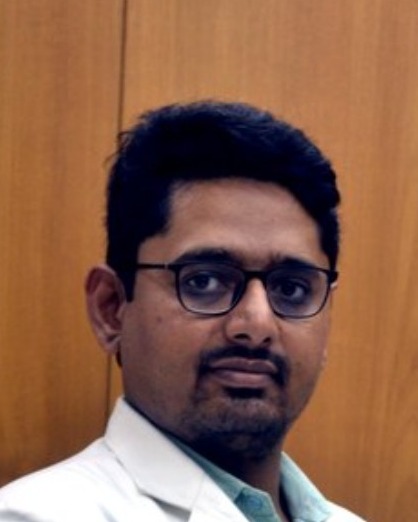
Dr. Priyadatt Patel — precision surgery, fertility-first planning
Senior gynaecologist and advanced laparoscopic surgeon with a dedicated focus on endometriosis, deep infiltrating disease, and fertility-preserving surgery — integrating expert ultrasound, 3D laparoscopy, and reproductive medicine under one team.
CredentialsSenior Gynecologist · Advanced Laparoscopic Surgeon · IVF and Endometriosis Programme Lead
European endoscopic credentialsDiplomate, Kiel School of Gynaecological Endoscopy (Germany) · ESGE-CICE Certified (France) · MS Ob-Gyn, University First with four Gold Medals
Integrated careIn-house IVF lab · ICSI · PGT · blastocyst culture · fertility preservation under one roof
"Every endometriosis plan is built around the individual patient — her symptoms, her fertility goals, her ovarian reserve, her life stage. The right plan protects long-term fertility and function with the least cumulative intervention."
Cumulative figures reflecting Dr. Patel's practice. No per-cycle outcome rates are published; care is individualised.
ISO 9001:2015 Bureau Veritas / UKAS · IND.25.899/QM/UCEA Gujarat permanent reg · CEA/AHD/262/2025ICMR ART Level 2 labESHRE · ASRM · ESGE · AAGL · ISUOG-IDEA · NICE NG73 · RCOG · Cochrane · WHO 2023
FAQ
The questions patients ask us most
Frequently asked questions
Can endometriosis be cured permanently?
There is no permanent cure. It's a chronic, oestrogen-dependent condition managed in phases. The realistic goal is durable symptom control, fertility protection, and minimum cumulative intervention. Disease activity typically diminishes at menopause, though symptoms can persist.
Do I definitely need surgery for endometriosis?
No. Many women are managed entirely with medical therapy. Surgery is reserved for specific indications: pain unresponsive to adequate therapy, mechanical infertility, large symptomatic endometriomas, or DIE compromising organ function. Repeated surgery often does more harm than good.
Will endometriosis affect my ability to have children?
It can — through several mechanisms — but many women conceive naturally, and those who don't achieve excellent outcomes with IVF when treatment is properly sequenced. Early diagnosis and individualised planning matter more than the diagnosis itself.
Should I have surgery before trying IVF?
It depends on age, ovarian reserve, endometrioma size, pain burden, and prior surgeries. With low AMH or advanced age, IVF first (or fertility preservation first) often makes more sense; with large endometriomas blocking follicle access or severe pain, surgery first may be appropriate.
Is hormonal therapy safe long-term for endometriosis?
Long-term hormonal therapy (COC, progestins, GnRH analogues with add-back) is well-studied. Choice depends on symptoms, fertility intent, contraindications, and preference. Annual review is standard.
What is deep infiltrating endometriosis (DIE)?
DIE is endometriotic tissue infiltrating >5 mm beneath the peritoneum, often involving bowel, bladder, ureters, or rectovaginal septum. It requires specialist mapping and multidisciplinary surgical planning.
How is endometriosis different from adenomyosis?
Endometriosis is endometrial-like tissue outside the uterus; adenomyosis is within the uterine muscle. They often coexist and share symptoms but are managed differently.
How is endometriosis different from PCOS?
Entirely different conditions, though both can affect fertility. PCOS is an endocrine-metabolic disorder; endometriosis is an inflammatory, oestrogen-dependent disease. They can coexist and require separate management.
Can endometriosis be diagnosed without laparoscopy?
Yes. ESHRE 2022 supports clinical and imaging-based diagnosis. Trained ultrasound (IDEA DIE protocols) plus targeted MRI establishes the diagnosis in most cases. Laparoscopy is reserved for when it changes management.
When should I consider fertility preservation (egg freezing)?
If you have endometriomas (especially bilateral), low AMH for age, advanced disease, or aren't planning conception for ≥2–3 years, discuss it early. Egg freezing before ovarian surgery is increasingly recommended in selected cases.
How is endometriosis diagnosed?
Diagnosis combines clinical history, careful pelvic examination, advanced ultrasonography per ISUOG-IDEA protocol, and — where indicated — MRI. Laparoscopy is reserved for staging or therapeutic intent rather than diagnosis alone, in line with ESHRE 2022.
Why does the same ovary keep developing endometriomas?
Recurrence is biological — endometriosis is a systemic disease and the underlying tendency persists. After surgery, recurrence is significantly reduced by post-operative hormonal suppression; "surgery only" without medical maintenance often leads to recurrent endometriomas within 2–5 years.
Can I conceive after endometrioma surgery?
Yes — many women do, both naturally and through IVF. The probability depends on age, residual ovarian reserve, other infertility factors, and how the surgery was performed. Fertility-sparing technique by an experienced surgeon protects future options — which is why surgeon selection matters more than the surgery itself.
Is endometriosis cancerous?
Endometriosis is a benign condition. There is a small increased lifetime risk of certain ovarian cancer subtypes (clear-cell and endometrioid), but the absolute risk remains low. Long-standing endometriomas should be monitored; any rapidly growing or atypical cyst warrants surgical evaluation.
Does pregnancy cure endometriosis?
No. Pregnancy can temporarily suppress disease activity due to the hormonal environment, and breastfeeding extends this — but endometriosis returns with the resumption of cyclical menstruation. Pregnancy is not a treatment for endometriosis.
How long does laparoscopic endometriosis surgery take?
It varies widely with disease extent: simple excision of superficial peritoneal disease 60–90 minutes; bilateral endometrioma cystectomy 90–120 minutes; extensive DIE with bowel or ureteric involvement 3–5 hours. Hospital stay is typically 24–48 hours.
Will dienogest cause weight gain or mood changes?
Dienogest is generally well tolerated. Most patients have irregular spotting initially that settles by month 3. Weight gain is modest and not universal; mood changes occur in a minority. Bone density should be monitored with long-term use — and we never push patients to tolerate intolerable therapy.
Should I see a specialist for chronic pelvic pain?
Pelvic pain that persists across three or more cycles, interferes with work or sleep, or worsens over time warrants specialist evaluation — earlier if there is a family history of endometriosis.
What should I bring to my first endometriosis consultation?
A symptom diary (pain timing and severity, bleeding pattern), all prior ultrasound/MRI reports and images, prior operation notes, current and past medications, a recent AMH report if available, and a clear statement of your fertility plans and priorities. The more complete the history, the more individualised the plan.
What medications are used to treat endometriosis?
First-line options are hormonal: continuous combined oral contraceptives, progestins (dienogest 2 mg daily is highly effective and preferred in many ESHRE pathways), and the levonorgestrel-releasing intrauterine system (Mirena). For severe disease unresponsive to first-line therapy, GnRH analogues with low-dose hormonal add-back are used short-term. Medical therapy controls symptoms and suppresses disease but is contraceptive — it cannot be used while trying to conceive, and it does not reverse anatomical distortion or restore ovarian reserve.
Does endometriosis come back after surgery?
Recurrence after surgery alone is roughly 20–50% over five years, depending on the disease phenotype and whether hormonal suppression is used afterwards. With appropriate post-surgical maintenance — a continuous oral contraceptive, dienogest, or the levonorgestrel IUS — recurrence and the need for repeat surgery are meaningfully reduced. This is why endometriosis is best managed as a long-term condition rather than a one-time operation.
Can endometriosis surgery affect fertility or egg count (ovarian reserve)?
Yes. Surgery on the ovary — particularly removing an endometrioma (chocolate cyst) — can lower ovarian reserve (AMH and antral follicle count), and repeated operations on the same ovary compound the loss. Fertility-aware surgery therefore follows strict ovarian-sparing principles: documenting AMH/AFC beforehand, minimal cautery near the ovarian hilum, avoiding repeat surgery where possible, and considering egg or embryo freezing before operating in selected cases. The decision to operate is always weighed against fertility goals.
How does endometriosis cause infertility?
Endometriosis can reduce fertility through several mechanisms at once: adhesions distort tubo-ovarian anatomy and impair egg pick-up; endometriomas lower ovarian reserve; an inflammatory pelvic environment impairs egg, sperm and embryo quality; altered endometrial receptivity (progesterone resistance) reduces implantation; and coexisting adenomyosis affects the uterus — a frequently missed cause of "unexplained" IVF failure. Because several factors can operate together, fertility planning is individualised, often using the Endometriosis Fertility Index (EFI).
Reference · In depth
"Go as deep as you need"
Endometriosis treatment in depth
A deeper clinical reference for patients and referring clinicians who want the full evidence picture behind each treatment decision.
Medical therapy — agents, evidence and limits
Medical therapy suppresses oestrogen-driven cyclical activity; it controls symptoms but does not eliminate disease, and suits pain control, disease suppression between fertility attempts, and patients in whom surgery is not currently indicated. Combined oral contraceptives (continuous) are first-line for pain in women not trying to conceive — continuous dosing eliminates withdrawal bleeding and is more effective than cyclical use, inexpensive and well tolerated. Progestins — dienogest 2 mg daily is highly effective and now preferred in many ESHRE pathways; the levonorgestrel intrauterine system (Mirena) provides excellent suppression with minimal systemic effect, especially valuable for adenomyosis and DIE-related dysmenorrhoea. GnRH analogues with add-back are reserved for severe disease unresponsive to first-line therapy, always paired with low-dose add-back to protect bone density, typically limited to six months, and useful pre-surgically or as a bridge to IVF. Importantly, medical therapy is contraceptive — it cannot be used while actively trying to conceive, does not reverse anatomical distortion, and does not restore ovarian reserve.
Surgical management — indications and ovarian-sparing technique
Surgery has a clear evidence base, but only for the right indications and by a surgeon trained in advanced laparoscopic excision. Done poorly, repeated surgery causes more harm than the disease itself — ovarian-reserve loss, dense adhesions, recurrent pain and lost fertility opportunities. Surgery is appropriate for severe pain not controlled by adequate medical therapy; an endometrioma over 3–4 cm causing pain, growth or interfering with IVF stimulation; deep infiltrating disease with bowel, bladder or ureteric involvement; mechanical infertility; suspected malignancy; or diagnostic uncertainty after a thorough non-invasive workup. Current evidence (Cochrane reviews, ESHRE 2022, AAGL) supports excision over ablation for deep and ovarian disease — better pain outcomes, lower recurrence and more accurate histology.
Every endometriosis surgery in a woman with fertility goals follows strict ovarian-sparing principles: pre-operative AMH and antral follicle count documented; endometrioma cystectomy by stripping technique with minimal cautery near the hilum and suturing preferred for haemostasis; avoiding repeat surgery on the same ovary wherever possible; discussing cumulative ovarian-reserve impact before consent; and considering oocyte or embryo cryopreservation before surgery in selected cases. Deep infiltrating endometriosis — ureteric dissection, rectovaginal septum work, bowel shaving or discoid/segmental resection — must be performed in a centre with multidisciplinary colorectal and urology support.
Long-term disease management and recurrence
Endometriosis is chronic; the goal is not "cure" but durable control with the minimum cumulative intervention. Recurrence after surgery alone ranges 20–50% over five years depending on phenotype and post-surgical hormonal suppression — with appropriate maintenance (continuous OCP, dienogest or LNG-IUS) recurrence and reoperation are meaningfully reduced. Long-term care includes annual clinical and ultrasound review to track disease, ovarian reserve and symptom trajectory; anti-inflammatory dietary pattern, pelvic physiotherapy, regular aerobic exercise, sleep regulation and stress management as modest adjuncts; formal psychological support for the burden of chronic pelvic pain; early fertility-window planning rather than deferring until reserve is already low; and nuanced, individualised hormone-therapy decisions through the menopause transition, when most disease activity diminishes but symptoms can persist.
How endometriosis affects fertility — the mechanisms
Endometriosis reduces fertility through multiple converging mechanisms, each calling for a different intervention: adhesions distort tubo-ovarian anatomy and impair egg pickup; endometriomas independently lower AMH and antral follicle count even before surgery; an inflammatory peritoneal milieu of cytokines and oxidative stress impairs sperm function, fertilisation and early embryo development; altered HOXA-10 expression and progesterone resistance reduce endometrial receptivity and implantation even with good embryos; reactive oxygen species in follicular fluid affect oocyte mitochondrial health; and coexisting adenomyosis impairs uterine peristalsis and implantation — a frequently missed contributor to "unexplained" IVF failure. Fertility planning is therefore individualised: a 28-year-old with mild disease, regular ovulation and normal AMH has very different options from a 36-year-old with bilateral endometriomas, AMH 1.2 ng/mL and a partner with mild male factor.
Evidence base
Aligned with current international evidence: ESHRE Endometriosis Guideline (2022) · ASRM Practice Committee · ESGE operative consensus · AAGL practice guidelines · ISUOG-IDEA sonographic consensus · NICE NG73 · RCOG green-top guidelines · Cochrane systematic reviews · WHO (2023) · FIGO (2023).
Speak to us directly, message on WhatsApp, or request a callback. First consultations are 45–60 minutes; bring prior reports and your fertility priorities.